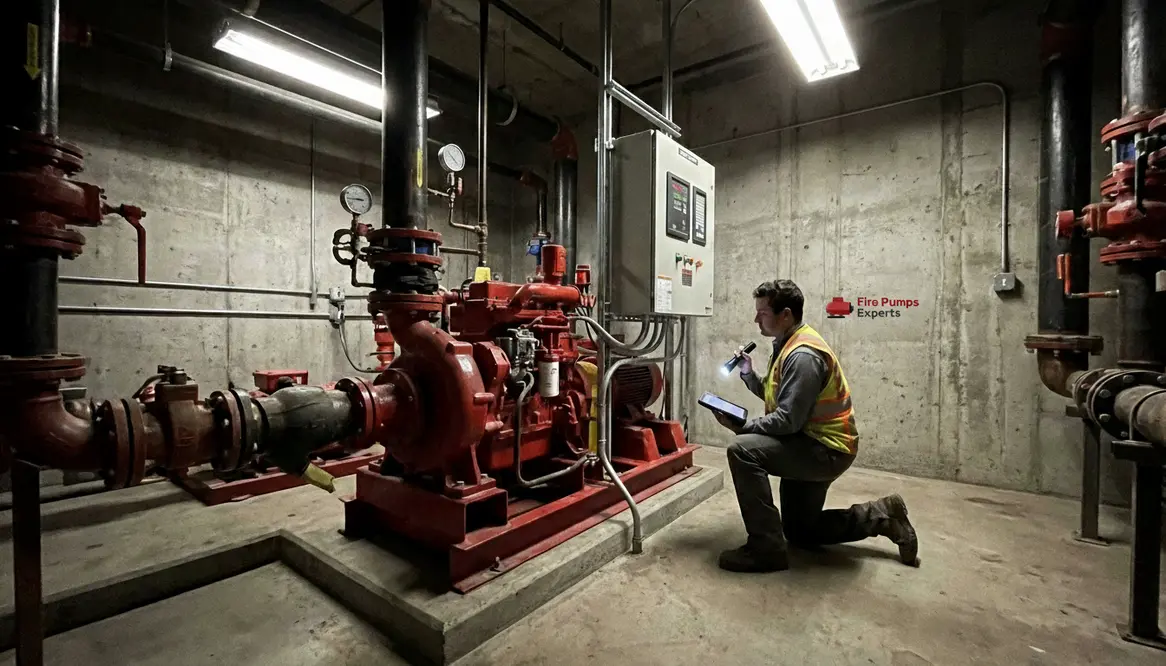
Fire Pump Inspection Responsibilities Sacramento Guide
When I walk through a commercial property in Sacramento and hear the low hum of a fire pump system waiting quietly in the background, I’m reminded of something simple. Safety rarely announces itself. It just stands ready. Yet that readiness doesn’t happen by accident. It comes from consistent maintenance, careful testing, and a clear understanding of fire pump inspection responsibilities Sacramento property owners carry every single year.
For owners and facility managers of commercial buildings, industrial plants, and large properties, the fire pump is the beating heart of the fire protection system. Without it, sprinklers are like garden hoses at a five alarm fire. Technically present. Practically overwhelmed.
So today I want to walk through what those responsibilities really look like. Not the vague checklist version. The real world version. The kind that keeps inspectors happy, insurance companies calm, and firefighters nodding in quiet approval.
Understanding Fire Pump Inspection Responsibilities Sacramento Property Owners Must Follow
First things first. Fire pumps are regulated equipment. That means local code, NFPA 25 standards, and California fire safety requirements all work together to define how inspections happen and who must handle them.
In Sacramento, commercial and industrial property owners carry the legal responsibility to ensure their fire pumps are inspected, tested, and maintained on schedule. While certified professionals perform the technical work, the duty to arrange and document those inspections rests with the property owner or facility manager.
Think of it like owning a commercial elevator. You might not tighten the bolts yourself, but you absolutely must make sure someone qualified does.
Typical Inspection Schedules
Typically, inspection schedules follow several time intervals.
Weekly Visual Checks
Staff or maintenance personnel confirm the pump controller shows normal status, verify valves remain open, and ensure no visible leaks or damage appear.
Monthly System Observation
Operators check pressure readings, packing glands, and pump house conditions. A quick look now can prevent a six figure repair later.
Annual Flow Testing
Certified technicians perform performance testing to confirm the pump delivers its rated pressure and flow.
Additionally, every test must be documented. Inspectors from the local authority having jurisdiction may request these records at any time. If paperwork goes missing, well, suddenly everyone is having a much less relaxing afternoon.
Because when it comes to fire protection systems, the rule is simple. If it isn’t documented, it didn’t happen.
What Happens During a Professional Fire Pump Inspection
Now let’s peek behind the curtain for a moment. When certified technicians inspect a fire pump in a commercial facility, they aren’t just giving the equipment a polite glance.
They are putting the system through its paces.
Pump Assembly And Mechanical Health
First, they examine the pump assembly itself. That includes bearings, couplings, lubrication levels, and alignment. Even a small vibration can signal a developing mechanical issue.
Controller, Power, And Automatic Start
Next comes the controller. This cabinet acts as the brain of the system. Inspectors verify automatic start functions, alarms, transfer switches, and backup power connections.
Water Supply, Performance Curve, And Sensing Lines
After that, attention shifts to water supply. Technicians confirm suction pressure, discharge pressure, and overall system stability. During annual flow testing, large volumes of water move through test headers to confirm the pump meets its rated performance curve.
Meanwhile, inspectors check valves, gauges, relief systems, and sensing lines. A blocked sensing line can fool the controller into thinking pressure is normal when it is not. That kind of trick might work in a spy movie, but not in a life safety system.
Reporting And Compliance Trail
Finally, everything gets documented in a formal inspection report. That report becomes part of the property’s compliance record.
Because at the end of the day, reliability comes down to proof. Not guesswork.
Why Sacramento’s Large Commercial Buildings Face Stricter Oversight
Here’s something many property owners discover during their first inspection cycle. Large commercial buildings in Sacramento face tighter scrutiny than smaller properties.
And honestly, that makes sense.
A distribution center, hospital, manufacturing plant, or high rise office tower holds far more occupants and assets than a small building. Therefore, the fire protection system carries greater responsibility.
Fire departments rely on these pumps to maintain water pressure during large emergencies. If the municipal supply drops, the pump takes over.
Without it, sprinkler systems can lose effectiveness right when firefighters need them most.
Additionally, insurance providers pay close attention to inspection records. Many commercial policies require proof that testing follows NFPA standards.
Skipping inspections might save money today. However, if a claim arises and records are missing, the financial fallout can feel like stepping on a Lego in the dark. Painful. Immediate. Regrettable.
Therefore, proactive inspection programs protect more than just compliance. They protect operational continuity.
How Facility Managers Stay Ahead of Fire Pump Compliance
Over the years, I have noticed something about successful facility managers. They treat fire pump oversight like clockwork.
They build systems around it.
Proactive Facility Habits
- Schedule inspections months in advance
- Keep digital and physical inspection records
- Train maintenance staff on visual checks
- Track pressure readings regularly
- Confirm pump room conditions stay clean and dry
Operational Benefits
- Fewer surprise repairs
- Smoother fire marshal inspections
- Improved insurance confidence
- Better system reliability during emergencies
- Reduced operational downtime
Additionally, many large properties integrate fire pump monitoring into building management systems. This allows operators to detect pressure changes or controller alerts immediately.
It’s a bit like having a smoke detector for the pump itself. Quiet most of the time. Extremely helpful when something changes.
Because the earlier you catch a problem, the easier it becomes to solve.
How Do I Stay Compliant With Fire Pump Inspection Responsibilities Sacramento Requires?
The good news is compliance does not require a PhD in hydraulic engineering. It simply requires consistency.
Work With Certified Fire Pump Professionals
Start by working with certified fire pump inspection professionals who specialize in commercial and industrial systems. They understand the local code landscape and the expectations of Sacramento fire authorities. For additional background, many managers review resources like NFPA 20 fire pump standards and educational articles such as Kord Fire’s NFPA 20 overview of fire pump design, installation, and compliance at NFPA 20 fire pump system guidance before finalizing their program.
Build A Structured Inspection Calendar
Next, build a structured inspection calendar.
Weekly observation checks can often be handled by trained facility staff. However, monthly, quarterly, and annual inspections should involve certified technicians who understand NFPA 25 testing standards and the specific fire pump inspection responsibilities Sacramento facilities are expected to follow.
Keep Documentation Clean, Organized, And Accessible
Then maintain organized documentation. Digital inspection logs, service reports, and test results should remain accessible for review.
Fix Deficiencies Quickly
Finally, address deficiencies quickly. Small problems rarely improve with age. In fact, ignoring them usually leads to larger repairs later.
Think of it like maintaining a classic car. You change the oil regularly so the engine keeps purring. Skip the maintenance long enough and suddenly the engine sounds like a rock band tuning up.
And trust me. That is not the sound you want from your fire pump system.
Long Term Value of Following Fire Pump Inspection Responsibilities Sacramento Standards
Beyond compliance, consistent inspection practices deliver real operational value.
Reliable fire pumps protect lives, property, and business continuity. In large commercial environments, downtime from a fire event can halt operations for months.
Therefore, a properly maintained system becomes part of risk management strategy.
Additionally, inspection programs extend equipment lifespan. Pumps, motors, and controllers last significantly longer when technicians catch small mechanical issues early.
Over time, that reliability creates trust. Fire officials trust the system. Insurers trust the documentation. Tenants trust the building.
And somewhere in the background, the pump continues doing what it does best. Waiting quietly for a moment that hopefully never comes.
Frequently Asked Questions
Protect Your Property Before the Alarm Ever Sounds
Fire pumps rarely get applause. They sit quietly in mechanical rooms, waiting for a moment that may never arrive. Yet when that moment comes, everything depends on them working perfectly. By staying proactive with inspection schedules, documentation, and professional testing, commercial property owners protect both compliance and safety. If you manage a major facility in Sacramento, now is the time to review your system and ensure every inspection requirement is covered before the next emergency ever has a chance to knock.