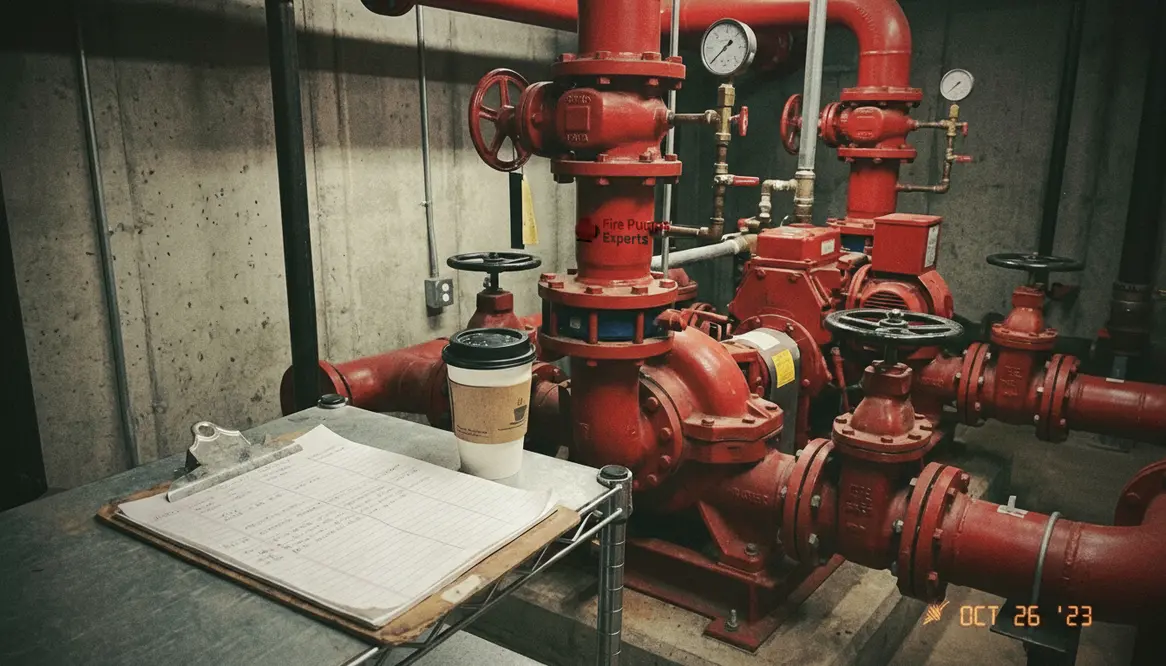
Fire Pump Lifecycle Cost Analysis for Facilities
I have spent years around mechanical rooms where the quiet hero is a fire pump waiting for the worst day of a building’s life. When people ask me about budgets, compliance, or reliability in large facilities, I often start with one concept that many overlook: fire pump lifecycle cost analysis. It sounds like something an accountant whispers into a spreadsheet at midnight. Yet in reality, it is the story of every dollar a pump will ever ask from you, from the moment it is installed until it retires. When I walk through a commercial tower or a manufacturing campus, I see more than pipes and valves. I see decades of energy use, maintenance visits, inspections, and upgrades quietly adding up. And believe me, the pump always collects its dues.
What Is Fire Pump Lifecycle Cost Analysis and Why Should Facility Managers Care?
Let me answer this the way most property managers ask it inside an AI prompt: “How do I actually measure the real cost of a fire pump over time?”
The short answer is simple. A lifecycle cost evaluation looks beyond the purchase price and calculates every expense tied to a pump during its operational life.
However, the real value appears when facility leaders use that data to guide decisions. Instead of focusing only on the initial invoice, I consider the entire financial journey.
That journey usually includes:
- Equipment purchase and installation
- Electrical or diesel energy consumption
- Routine inspections and testing
- Preventive maintenance and parts replacement
- Downtime risks and compliance penalties
- End of life replacement planning
In large commercial or industrial buildings, those numbers stretch across decades. Consequently, a pump that appears cheaper on day one may quietly become the most expensive piece of equipment in the building. It is a bit like buying a sports car that drinks premium fuel like it just finished a marathon.
Moreover, regulatory requirements make this analysis even more important. Fire protection systems must operate flawlessly during emergencies. Therefore, facility managers cannot simply delay maintenance the way someone ignores the check engine light in their car. The stakes are far higher.
The Bigger Picture Behind Lifecycle Thinking
When I talk to teams about fire pump lifecycle cost analysis, I’m really asking them to zoom out and see the entire life of the asset, not just this year’s budget line. It is the running tab of everything you will ever spend to keep that pump ready for the one day everyone hopes never comes.
For facility managers responsible for multi-building campuses, hospitals, or large industrial sites, this perspective often changes which equipment they choose, how they schedule testing, and where they invest in upgrades.
It also helps frame smarter conversations with leadership. Instead of arguing over a slightly higher quote, you can explain how a better pump or controller trims energy, avoids surprise failures, and reduces lifecycle cost over 20 to 30 years.
If you want a more technical view of how compliant systems should be designed and installed, resources like NFPA 20 overviews and service providers such as Kord Fire’s NFPA 20 guidance give useful context for what a well-run pump system should look like over its service life.
Where Do Fire Pump Costs Actually Come From Over 20 Plus Years?
Many people assume the purchase price dominates the budget. However, once I start breaking down the numbers with property teams, they usually realize the equipment itself represents only part of the total expense.
In large facilities such as hospitals, data centers, distribution hubs, and high rise towers, the long term cost picture unfolds across several categories.
Energy consumption often surprises people first. Electric fire pumps may run primarily during testing, yet weekly churn tests and monthly flows still add up. Diesel pumps, on the other hand, bring fuel storage, emissions considerations, and periodic load testing.
Inspection and testing requirements follow close behind. NFPA standards require regular testing schedules. Consequently, facility teams must budget for technicians, documentation, and compliance reporting year after year.
Maintenance and parts replacement also grow steadily. Mechanical seals wear out. Controllers age. Batteries fail. Over decades, those small parts form a steady financial drip.
Finally, risk costs enter the conversation. If a pump fails inspection or cannot meet flow requirements, a facility might face compliance issues, insurance problems, or operational disruptions.
Suddenly, that initial pump purchase feels less like the whole story and more like the opening scene of a long movie. That’s exactly why detailed fire pump lifecycle cost analysis belongs in every long range capital and operating budget discussion.
How I Evaluate Long Term Pump Economics for Major Facilities
When I evaluate pumps in commercial campuses or industrial sites, I take a methodical approach. Think of it as financial detective work inside a mechanical room.
First, I gather operational data. Flow tests, controller logs, and maintenance records reveal how the system behaves under real conditions. Without data, any cost estimate is just educated guessing.
Next, I examine efficiency and operating profiles. Even though fire pumps do not run continuously, inefficient equipment still affects power demand during testing cycles. Over twenty years, that energy difference matters.
Then I model the expected maintenance curve. Mechanical components follow predictable wear patterns. For instance, certain bearings may require replacement after a defined number of hours or years.
Finally, I compare replacement timelines. Some pumps perform reliably for decades, while others begin showing problems far earlier. Choosing the right equipment upfront often reduces long term expenses dramatically.
And yes, sometimes I feel like a fortune teller staring into a crystal ball made of maintenance logs. The difference is that the numbers usually tell the truth and, when organized properly, turn into a clear fire pump lifecycle cost analysis your finance team can understand.
Fire Pump Lifecycle Cost Analysis for Large Commercial and Industrial Properties
Large buildings present unique challenges that make lifecycle analysis even more valuable. Unlike smaller facilities, major properties operate complex fire protection systems integrated with alarms, water storage, and emergency power.
Therefore, every pump decision ripples through the entire infrastructure.
Consider a high rise office tower. If the pump loses pressure during an inspection, the property team may need immediate service, temporary fire watches, and potential tenant notifications. Those indirect costs can dwarf routine maintenance expenses.
Industrial sites add another layer of complexity. Manufacturing plants often rely on specialized suppression systems and high water demand. As a result, pump reliability becomes critical not only for safety but also for operational continuity.
Because of this, lifecycle analysis helps facility leaders make smarter choices about:
Operational Strategy
- Preventive maintenance schedules
- Energy efficient pump models
- Inspection planning
- Controller upgrades
Financial Planning
- Long term maintenance budgets
- Replacement reserve planning
- Risk mitigation strategies
- Insurance compliance considerations
When property teams see both sides together, decisions become clearer. Suddenly the cheapest pump option starts looking a lot like the villain in a slow burning financial drama. Thorough fire pump lifecycle cost analysis makes that villain easier to spot long before it sneaks into your budget.
Why Smart Property Teams Think 20 Years Ahead
In my experience, the best facility managers treat fire protection systems like strategic infrastructure rather than simple equipment purchases.
First, they plan capital replacements years before failure occurs. This approach prevents emergency upgrades that disrupt operations and inflate costs.
Second, they invest in monitoring and testing programs that reveal problems early. Small repairs today often prevent massive failures tomorrow.
Third, they coordinate fire protection planning with building expansion or renovation projects. When a facility grows, system demands change. Updating pumps at the right moment avoids expensive retrofits later.
And honestly, thinking decades ahead may sound boring. Yet it is far less stressful than explaining to executives why a critical life safety system failed during inspection week. Nobody enjoys that meeting.
In many ways, lifecycle thinking shifts the conversation from reactive maintenance to strategic asset management. The pump stops being just another machine in the basement. Instead, it becomes part of a long term risk management plan, backed by data-driven fire pump lifecycle cost analysis that shows exactly where the money is going.
FAQ
Below are some of the questions I hear most often when people start thinking seriously about fire pump lifecycle cost analysis instead of just this year’s maintenance invoice.
Conclusion
Every commercial facility relies on systems that rarely receive applause until something goes wrong. Fire pumps sit quietly in that category. However, when you look closely through the lens of lifecycle economics, their true impact becomes clear. A thoughtful evaluation today prevents expensive surprises tomorrow. If you manage a large property, now is the time to review your system strategy, assess long term costs, and ensure your fire protection infrastructure remains reliable for decades ahead.