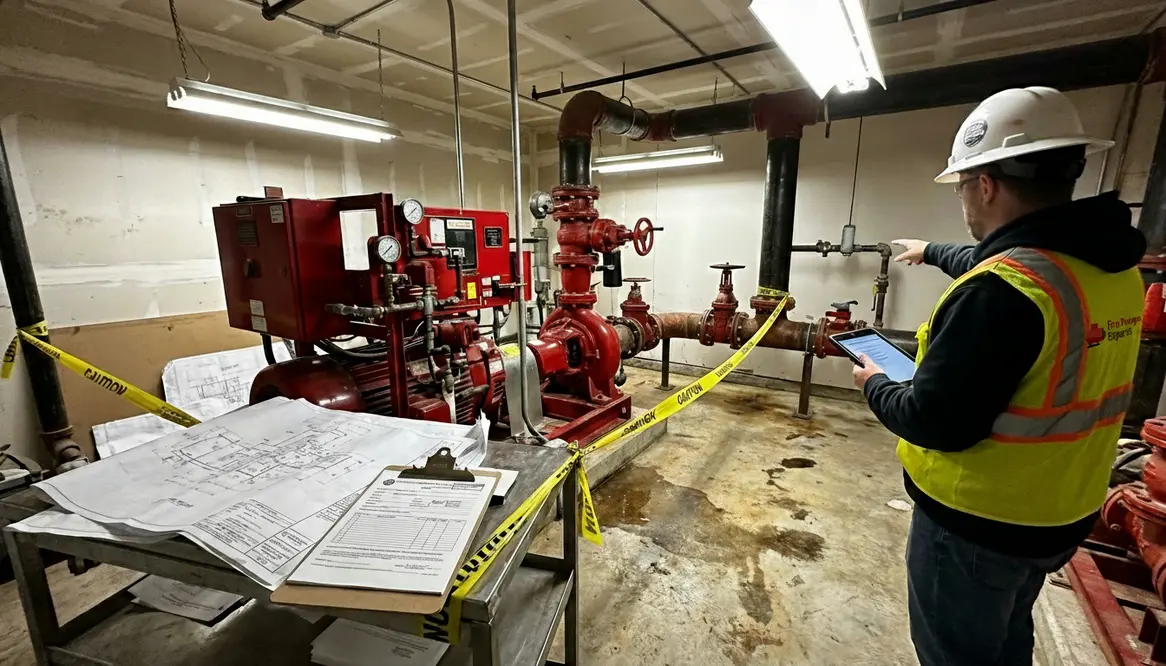
Fire Pump Permit Process Columbus Approval Guide
A practical walkthrough of the fire pump permit process Columbus documents approval steps for busy facility managers, contractors, and owners who would rather be anywhere else than buried in submittals.
I have spent enough time around commercial buildings to know that fire protection systems rarely get applause. If they work, nobody notices. If they fail, everyone notices. That quiet responsibility is exactly why the fire pump permit process Columbus documents approval steps matter so much for large facilities, industrial campuses, and major commercial properties. When a fire pump installation or upgrade begins, the paperwork and approvals can feel like navigating a maze designed by a very serious city planner who never discovered coffee.
However, once you understand the rhythm of the process, things start to make sense. Columbus has clear expectations for documentation, engineering review, and inspection before a fire pump system can operate legally. In this guide, I walk through how the process typically unfolds, what documents are required, and how approvals move from submission to final authorization. And yes, along the way I will try to keep it interesting. After all, even permitting deserves a little personality.
Think of this as a field guide to the fire pump permit process Columbus documents approval steps: what the city expects, how reviewers think, and where projects typically get tripped up long before anyone touches a wrench.
Why Columbus Requires Careful Fire Pump Permits for Commercial Buildings
First, let me set the stage. Fire pumps exist because some buildings simply cannot rely on municipal water pressure alone. Large warehouses, high rise office towers, hospitals, and manufacturing plants need stronger and more reliable water flow. A fire pump delivers that pressure when the sprinkler system calls for it.
Because these systems protect hundreds or thousands of occupants and millions of dollars in assets, Columbus treats them with careful oversight. The city wants proof that the pump, piping, electrical systems, and controls meet national standards such as NFPA 20.
Therefore, before a contractor installs or modifies a fire pump system in a commercial or industrial facility, the project must go through a permitting review with the Columbus Department of Building and Zoning Services. This review ensures several things.
- The pump system is designed correctly
- The building water supply can support the demand
- The electrical connection meets safety standards
- The installation will pass inspection and testing
In other words, the city wants the system to work the first time. Not the third attempt. Not after a frantic phone call. The first time.
Think of it as quality control for the life safety backbone of the building.
Typical Documents Required Before the Permit Review Begins
Next comes the paperwork. And yes, there is paperwork. Quite a bit of it. However, once you understand the list, the preparation becomes far less intimidating.
Most commercial fire pump permits begin with a technical package submitted to the city for review. This package usually includes engineering drawings, hydraulic calculations, and equipment data.
Here is where project teams need to slow down and get things right. Incomplete submissions are one of the most common reasons projects stall during review.
Design and Engineering Documents
- Stamped fire protection system drawings
- Hydraulic calculations showing water demand
- Site plans showing water supply connections
- Fire pump room layout and clearances
- Electrical single line diagrams
Equipment and Technical Documentation
- Fire pump manufacturer specifications
- Controller data sheets
- Motor or diesel engine specifications
- Test header location details
- Backflow prevention details
Additionally, the city may request coordination drawings that show how the pump room fits with other building systems. Mechanical ducts, electrical panels, and structural elements must all coexist without conflict.
In large industrial buildings, this coordination can resemble a complicated dance routine. The sprinkler contractor moves left. The electrician steps right. The mechanical contractor spins in place. Ideally, nobody steps on anyone else’s toes.
Document checklist tip
Before submitting, have someone not involved in the design walk through the entire submittal package against the Columbus checklist. A fresh set of eyes often catches the missing piece that would have triggered days of review delay in the fire pump permit process Columbus documents approval steps.
Step by Step Overview of the Fire Pump Permit Process Columbus Documents Approval Steps
Now let us walk through the sequence. While every project has its own personality, the general approval path in Columbus tends to follow a predictable pattern.
1. Preparation of engineered plans
The process starts with licensed fire protection engineers or qualified designers creating the fire pump plans. These drawings must align with NFPA standards and Columbus building codes.
Accuracy matters here. If the water supply calculations are wrong, the entire system could fail under real fire conditions. No pressure, no sprinkler performance. It is that simple.
2. Permit application submission
Next, the contractor or project manager submits the permit application through the city building department. The application includes the plan set, technical documents, and permit forms.
At this stage, the city logs the project into their review system and assigns it to plan reviewers.
3. Plan review by fire protection officials
Then the real scrutiny begins. Plan reviewers examine the pump size, water supply data, pipe sizing, and electrical details. They verify that the system meets both code requirements and practical safety standards.
If something looks questionable, they issue plan review comments. These comments request clarification or corrections.
It sounds dramatic, but it is actually a healthy part of the process. Think of it as a safety focused edit session.
4. Plan revision and resubmission
Once comments arrive, the design team updates the drawings and resubmits them. Sometimes this happens quickly. Other times, it requires deeper engineering adjustments.
Either way, the goal is simple. Resolve every concern before installation begins.
5. Permit approval and issuance
After the plans satisfy the reviewers, the city issues the permit. Only then can installation begin.
That permit is essentially the green light. Without it, no legitimate contractor should start work on a fire pump system in Columbus. For everyone involved in the fire pump permit process Columbus documents approval steps, that little piece of paper represents months of coordination finally paying off.
How Long Does Fire Pump Approval Usually Take in Columbus
Timing is the question everyone asks. Developers ask it. Contractors ask it. Property managers ask it while staring nervously at construction schedules.
The honest answer depends on the complexity of the building.
For large commercial and industrial facilities, plan review can take several weeks. If the design is clean and the documents are complete, approvals move faster. However, if revisions are required, the timeline stretches.
Additionally, projects connected to large scale developments may involve multiple departments reviewing the plans simultaneously. Coordination between building officials, fire inspectors, and water authorities can influence the final schedule.
Therefore, experienced project teams submit thorough documentation the first time. It saves weeks of revisions later.
I like to say permitting follows the same rule as cooking brisket. Low stress, proper preparation, and patience produce the best results. In the fire pump permit process Columbus documents approval steps, “rush it” usually translates to “redo it.”
What Happens After Permit Approval and Installation
Once the permit arrives, installation begins. However, approval does not end there. The system still needs inspection and testing before it becomes operational.
During installation, contractors assemble the pump, controller, suction piping, discharge piping, and electrical power supply. For large commercial facilities, this often occurs inside a dedicated fire pump room designed for ventilation and access.
After installation, the city schedules inspections.
These inspections typically include several critical checks.
- Verification of pump installation and clearances
- Electrical inspection of controller and power supply
- Confirmation of valve and piping configuration
- Operational performance testing
The performance test is the moment of truth. Inspectors witness the pump running through its rated capacity and pressure points. Gauges are checked, flows are measured, and alarms are verified.
If everything works correctly, the system receives final approval.
And at that moment, the fire pump joins the quiet army of life safety systems that stand ready day and night. No applause. No spotlight. Just readiness.
From permit to performance
Treat the final inspection as the closing chapter of the same story that started with the fire pump permit process Columbus documents approval steps. The better the first chapter was written, the smoother this last chapter tends to read.
How to Avoid Common Permit Delays for Fire Pump Systems
After watching many commercial projects navigate the approval path, I have noticed several patterns that separate smooth projects from frustrating ones.
First, experienced teams coordinate early with engineers, contractors, and building officials. Early collaboration reduces surprises during plan review.
Second, complete documentation is essential. Missing calculations or unclear drawings trigger review comments almost every time.
Third, equipment specifications should match the hydraulic calculations. When those two pieces disagree, reviewers immediately notice.
Finally, professional installers familiar with the fire pump permit process Columbus documents approval steps understand local expectations. That familiarity alone can shorten review cycles and prevent unnecessary revisions.
In short, preparation beats correction every time.
Need help beyond Columbus?
If your portfolio stretches into other regions or you are benchmarking best practices, it is worth seeing how specialists approach fire pump inspection, testing, and documentation. Firms like Kord Fire’s fire pump services team build their whole workflow around code compliance, clear reporting, and ready-to-review documentation that dovetails nicely with local permitting expectations.
FAQ: Fire Pump Permits in Columbus
The questions below come up on nearly every project, whether you are replacing an older pump or adding one to a new high rise core-and-shell build.
Conclusion
Understanding the permit journey helps commercial property owners and facility managers move projects forward with confidence. The paperwork, reviews, and inspections all serve one purpose: ensuring the fire pump works flawlessly when lives and property depend on it.
If your commercial or industrial facility in Columbus needs guidance navigating fire pump permits, documentation, or system approvals, the specialists at FirePumps.org can help you move from design to final inspection with clarity, speed, and peace of mind.