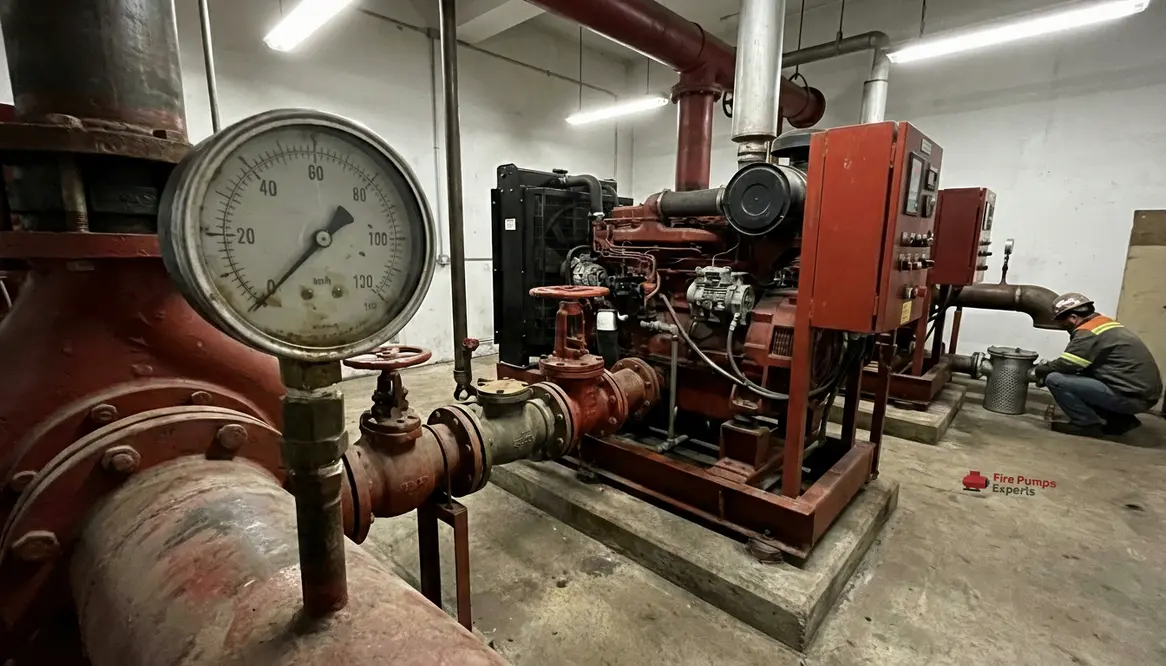
Fire Pump Pressure Drop Causes and Prevention
Introduction
I speak plainly, and I listen to pumps. In my years working with commercial and industrial facilities, I have seen one stubborn problem show up at the worst possible time: causes of fire pump pressure drop. Whether it is a clogged suction, an air leak, worn impellers, valve misalignment or poor power supply, pressure loss can cost lives and close buildings. I will walk you through what I look for, what I fix, and how you can stop these failures from turning into emergencies. Think of me as your calm, slightly amused pump whisperer.
Common causes of fire pump pressure drop
I begin my inspection by listing the usual suspects. In large properties and industrial sites, a loss of pressure rarely has a single root cause. Often several small issues combine to steal pressure. Here are the typical causes I encounter, and why each matters.
- Suction obstruction – Debris, collapsed suction lines, or blocked strainers reduce the pump inlet flow. As a result, the pump starves and pressure falls.
- Air entrainment or leaks – Air in the suction line breaks the water column. Consequently, the pump loses prime and delivers lower pressure.
- Closed or partially closed valves – I find closed suction or discharge valves more often than you might expect. Then the pump cannot produce rated pressure.
- Impeller wear and erosion – Over time industrial salts, sediments, or corrosion wear away impeller surfaces. Pressure drops and efficiency slides with that wear.
- Cavitation – When suction pressure sits too low, vapor bubbles form and collapse on the impeller. This damages parts and reduces pressure.
- Relief valve or pressure governor faults – A stuck relief valve or misset control vents pressure away instead of letting the pump build it.
- Check valve failure – Backflow or leaking check valves let pressure bleed back into the system when the pump should hold it.
- Long piping runs and friction – In large facilities, excessive piping friction and poor layout chip away at pressure. Additionally, fittings and poor pipe condition add losses.
- Motor or driver issues – Low voltage, soft starts set wrong, or failing motors reduce rpm and hence pressure. Electrical faults are quieter but deadly to performance.
- Poorly sized equipment – Sometimes the pump never matched the demand. If the pump selection favored cost over performance, you will spot chronic pressure shortfalls.
How do I diagnose pressure loss in a fire pump?
When I arrive at a pump room, I follow a clear sequence. First I verify the basics. Next I isolate systems to find where pressure disappears. Then I test and confirm. Here is my step by step method.
- Observe gauges and alarms. If a gauge shows a drop, I compare it with upstream and downstream readings. Then I look for trends on the building management system.
- Conduct a suction check. I listen for air, inspect strainers, and measure suction pressure to rule out blockage or air entrainment.
- Check valves and fittings. I open and close valves while watching pressure response, and I inspect check valves for visible wear or leakage.
- Run a controlled flow test. I perform a churn and a flow test when safe, and I record pump curves to see if performance matches spec.
- Inspect the driver and power source. I verify voltage, starter settings, and motor current. Often poor power explains reduced rpm and lower pressure.
- Look for cavitation and vibration. I use a vibration meter when available. Then I correlate findings with impeller condition and pump alignment.
- Use targeted cameras and remote tools. For complex suction tanks or underground intakes, I send a camera to confirm blockages or deposits.
Preventing causes of fire pump pressure drop in commercial and industrial facilities
I prefer prevention to heroics. For major properties and industrial plants, a disciplined plan saves money and avoids emergency shut downs. Here is what I implement or recommend, and why it works.
- Scheduled inspections – I set monthly visual checks and quarterly performance tests. This catches early signs of suction issues, air ingress, or valve drift.
- Annual flow testing with certified technicians – I insist on full flow tests at least once a year so that the pump curve stays verified under real conditions.
- Regular strainer cleaning and suction camera checks – Especially for sites with wet wells or river intakes, I clean strainers and inspect intakes before seasonal buildup.
- Power system checks – I coordinate with electrical teams to ensure proper voltage, wiring, and backup generator readiness. Then the pump receives the power it needs.
- Valve and relief device calibration – I tune relief valves and governor settings, and I check that control logic in the fire panel works as intended.
- Training and emergency drills – I train onsite engineers and contractors to recognize early pressure loss signs. Then we practice response plans so no one improvises under stress.
- Invest in monitoring – I recommend remote pressure sensors and alarms integrated with building management. Therefore technicians know about small drops before they grow into big problems.
If you want outside support to stay ahead of the most stubborn causes of fire pump pressure drop, a dedicated fire pump service partner can reinforce your internal team and keep testing, maintenance, and compliance on track.
For example, a specialist such as a certified fire pump inspection and maintenance provider can handle weekly churn tests, annual flow tests, and corrective repairs so your crew can focus on running the facility.
Quick response checklist when pressure drops
When a gauge nosedives in the middle of a test or incident, you do not have time for theory. Here is the fast path I follow to separate serious failures from fixable annoyances tied to the usual causes of fire pump pressure drop.
Quick response checklist
- Confirm pump is running
- Check suction gauge
- Inspect strainers
- Listen for air at vents
- Verify discharge valve position
- Record electrical readings
- Run a short flow test
- Alert facilities management
Treat this list like a fire pump pressure loss triage guide. It will not solve deep design flaws, but it will quickly rule out the most common on-the-spot causes of fire pump pressure drop and buy you time to keep protection in place while you plan a permanent repair.
Long term fixes and retrofits I recommend
Often, small recurring pressure losses point to a design or equipment mismatch. For large buildings and industrial plants, I propose solid upgrades that reduce future headaches, address chronic causes of fire pump pressure drop, and maintain compliance.
- Impeller repair or replacement – Restoring impeller geometry brings back capacity and efficiency.
- Replace undersized pumps or add parallel units – If demand outgrew the pump, adding capacity keeps pressure stable while allowing redundancy.
- Install variable speed drives – For some sites, a VSD lets the pump match demand and avoid surge conditions that cause cavitation.
- Improve suction layout – I redesign suction piping to reduce friction and eliminate pockets where air accumulates.
- Upgrade strainers and screens – Finer, easier to clean strainers reduce clog risk at source.
- Integrate advanced monitoring – I fit smart sensors that log data and trigger alerts well before pressure becomes critical.
The right combination of upgrades turns a temperamental pump room into a quiet background asset. You shift from constantly chasing the next incident to calmly trending data and planning outages on your schedule.
FAQ
These are the questions I hear most often when a facility team starts wrestling with recurring pressure loss and the underlying causes of fire pump pressure drop.
Conclusion
I want you to act now, not later. If you manage a large property or industrial site, let me help you reduce risk, plan targeted maintenance, and upgrade where it counts. Contact a certified fire pump specialist to schedule a system audit, full flow test, and a tailored maintenance plan. Together we will lock down pressure reliability, keep operations running, and protect people and assets. Call your trusted service partner today and stop pressure loss from sneaking up on you.