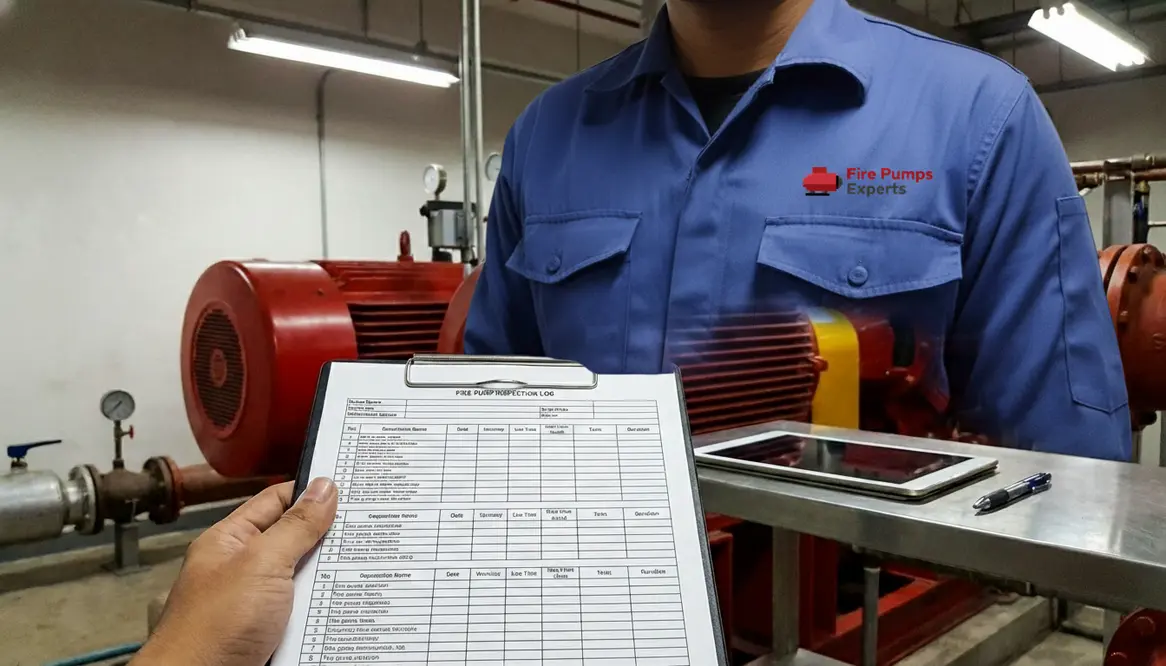
Fire Pump Records Santa Clarita Audit Ready Compliance
Introduction
I keep a steady voice because records matter. When I talk about fire pump records Santa Clarita I mean the detailed logs and test results that protect major commercial and industrial properties from regulatory trouble and prevent small problems from becoming headline news. I focus on big buildings and heavy duty facilities only, because that is where the stakes are highest. I will guide you through why accurate documentation matters, how to manage it, and how to stay audit ready with confidence and calm.
For large campuses, high-rises, and industrial sites, documentation is not a side quest. It is the backbone of your fire protection story. Think of it as a living timeline of every test, tweak, and repair your fire pump has seen. Done right, it reassures insurers, calms regulators, and gives your team a reliable picture of pump health over time.
The goal here is simple: keep your fire pump records Santa Clarita organized enough that when an auditor, adjuster, or investigator walks in, you do not flinch. You open a folder, click a few times, and every answer appears in order.
How can I access fire pump records Santa Clarita quickly and securely?
I start by saying this plainly because time is money and compliance waits for nobody. First, gather any paper logs, digital files, and vendor reports into one place. Then, I use a clear folder structure with dates and test types. If you use a third party to perform tests I recommend that they upload results to a shared secure folder within 24 hours, because delays create gaps that invite questions.
Next, I verify key elements on every record. Every entry should show the tester name, company, time stamp, pump model, serial number, test type, and results. Also include witness signatures and photos when possible. These small details save long conversations with your local authority having jurisdiction, and they make audits feel a lot less like a reality television show.
I also like to separate “live” records from “archive” material. Keep the current year and last year up front in an active folder, and move older data into a labeled archive that is still searchable. That way you can answer, “What did the annual test show three years ago?” without scrolling through a digital haystack.
Why solid documentation matters for commercial and industrial facilities
I see patterns. When records look tidy you reduce liability, lower insurance friction, and keep operations running. Good record keeping shows that the fire pump received scheduled inspections and that any faults received corrective action. Therefore you protect tenants, protect equipment, and preserve the building value. In addition, clear logs help engineers spot trends in pump performance, so they can fix wear before it becomes failure.
Regulators and insurers do not just ask “Did you test?” They ask, “Can you prove it, and can you show me what you did when something looked wrong?” Detailed fire pump records Santa Clarita tell that story cleanly. A missing signature or vague comment might seem harmless in the moment, but years later it can become the loose thread everyone pulls on.
Solid documentation also helps your internal team. When staff changes, you do not want pump history living only in someone’s memory. Properly labeled files, consistent templates, and clear notes mean a new engineer can understand five years of pump behavior in an afternoon instead of guessing from scratch.
And when your building strategy shifts, those same records guide upgrade decisions. Are you seeing slow pressure loss over three annual tests? Are diesel start times creeping upward? Your logs can answer that before the fire pump tries to answer during an emergency.
Managing fire pump records Santa Clarita within your compliance program
I build a compliance program around consistency and clarity. I train maintenance staff to log tests in a uniform format. Then I layer in audits that review samples of records monthly, rather than waiting for a surprise inspection. Also, I maintain an electronic audit trail that records who uploaded each file and when, so I can answer any question from an inspector in plain terms.
For major properties I recommend integrating flow test curves and pump curve data into the same file set. Doing this lets you compare expected performance with actual results immediately, and therefore saves time when diagnosing recurring issues. Finally, I keep only property level relevant details and avoid cluttering files with unrelated building notes. Less noise means faster answers.
To keep everything aligned, I use three simple layers: a field checklist for technicians, a digital template for reports, and a periodic internal review. This triangle makes your fire pump records Santa Clarita feel intentional instead of improvised, which is exactly how you want them to look during an audit.
Core testing rhythm for major buildings
Weekly checks Visual inspection of pump room, fuel level, battery status, and gauges
Monthly operational Short run or churn test to confirm pump starts and transfers load
Annual full flow Flow and pressure test with data capture and signed results
After repair Verify performance and document parts used and test outcomes
Retention Store digital copies securely and keep originals for your legal team
Treat this rhythm as the metronome for your program. Weekly and monthly tasks feed short notes into your system. Annual tests drop in the heavy data: full curves, flows, detailed observations. After-repair tests stitch those together, so inspectors can see exactly how you responded when something went wrong.
Over time, the pattern itself becomes part of your defense: the same tests, at the same frequency, documented the same way. That structure is what makes your fire pump records Santa Clarita hard to challenge.
My checklist to keep fire pump documentation audit ready for major buildings
I like checklists because they stop my brain from trying to be a multitasking superhero. First, confirm that each test entry includes the project name, the building portion tested, and the responsible technician. Next, attach clear photos of pressure gauges during the test, because pictures provide context that words cannot. Also, I include digital signatures and vendor contact details on every report. Moreover, I label each file with the test date and the type of test, and then I back up files to an offsite secure server.
I also flag any out-of-range result with a short note: what we saw, what we did, and when we plan to retest. This small habit shows auditors that you do not just file results; you act on them. Over a few years, that creates a narrative of proactive care around your fire pump records Santa Clarita instead of reactive panic.
Record retention times, testing frequency, and legal expectations
I do not give legal advice, but I do explain common expectations. Most authorities want to see weekly or monthly checks for routine status, monthly or quarterly operational tests, and an annual full flow test for major fire pump systems. However, you must follow NFPA guidelines and local codes, because requirements vary by jurisdiction and building use. Therefore I recommend coordinating with your local fire marshal to confirm specifics for your commercial or industrial facility.
In addition, keep records for as long as your jurisdiction requires. Many facilities keep detailed logs for several years, because long term data helps spot slow declines in performance that quick looks miss. Finally, secure older digital records in an accessible archive, because retrieving ten year old results during an incident is a lot easier than arguing about them later.
When you are not sure, lean toward keeping more, not less, as long as it is organized. Clutter is a problem, but gaps are worse. Clear folder names, consistent dates, and simple naming conventions give you the best of both: depth of history without chaos.
How I handle vendors and third party testing to avoid surprises
I treat vendors like partners in a long running show. When I hire a testing company I set expectations up front. I require they use my record template, include time stamped photos, and provide an emailed PDF within 24 hours of testing. Also, I audit vendor samples quarterly. If something looks off I call them immediately, and I do not wait, because delays can compound compliance risk.
Moreover, I insist on transparency. I ask vendors to list calibration certificates for gauges and instrumentation used during tests. This step ensures that the numbers on the report mean something reliable. If calibration is missing then I mark that record as conditional until verification arrives, and I document that action.
I also keep a simple scorecard on vendor performance: on-time delivery of reports, error rate, responsiveness when questions arise. In large portfolios this makes it easy to decide who earns more work and who needs a serious conversation before the next contract cycle.
Common mistakes I see and how I fix them
I have seen missing signatures, vague notes like pump worked, and photos that show nothing but a blurry gauge face. I fix those by standardizing entry fields and training staff to take legible photos. Also, I eliminate ambiguous language. Instead of saying pump performed normally I expect specific numbers for suction and discharge pressures and for flow at rated conditions. Then I store everything in a single secure repository so nothing gets lost in email threads or on a technician laptop.
Another frequent problem is mixing building issues into pump files: roof leaks, door problems, unrelated alarms. I strip that noise out and keep fire pump documentation focused on the system itself, its power supply, and its water supply. That way, when someone opens the folder, they are not wading through unrelated facility drama.
To help teams stay sharp, I sometimes cross-reference internal expectations with external best practices, including resources like the fire pump testing guidance shared by Kord Fire Protection at https://kordfire.com/fire-pump-testing-requirements-things-to-know/. A quick comparison can reveal where your current habits are strong and where they need a tune-up.
FAQ
Final thoughts and call to action
I will help you keep commercial and industrial properties compliant and settled. If you want to transform chaotic binders into an organized, auditable system I can guide the process. I focus only on larger properties and major facilities, because that is where precise record keeping protects assets and lives. Reach out for a tailored plan and a painless cleanup of your existing files. Together we will make your fire pump records Santa Clarita ready for any inspection, and we will do it with clarity and calm.
Contact me to schedule an assessment and start the record cleanup today
Conclusion
I invite you to act now to secure your facility, prevent regulatory headaches, and simplify operations. I offer tailored plans for commercial and industrial buildings that include a full audit of current logs, a standardized template for weekly and annual tests, vendor management protocols, and secure digital storage. Call me to schedule a rapid assessment and get your fire pump records in Santa Clarita organized, compliant, and ready for any inspection within weeks. Let us protect your assets together.
When your next inspection comes, I want you to feel calm, not cornered. With structured folders, clear templates, disciplined vendor management, and disciplined retention, your fire pump records Santa Clarita become an asset instead of a liability. The work starts with one decision: to bring order to the records that quietly protect everything else.