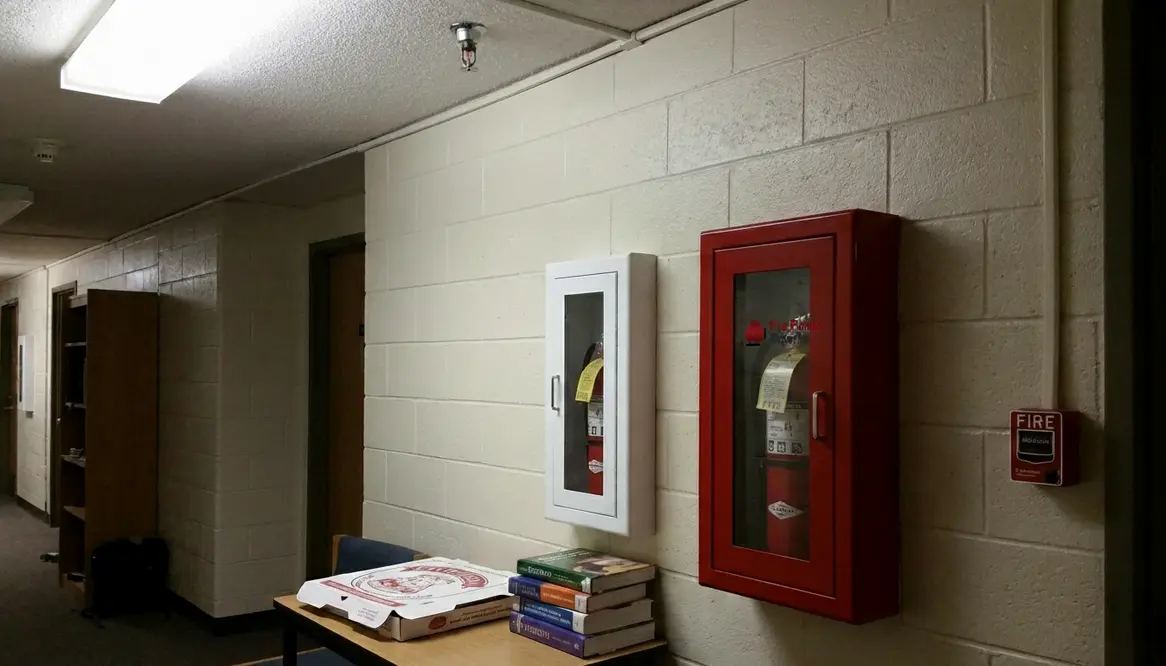
Fire Pump Requirements for University Dormitories
I have always believed that safety, much like a good story, is best told before the crisis hits. In student housing, where late night pizza meets overloaded outlets, the stakes climb quickly. That is where Fire Pump Requirements for University Dormitories step in, quietly doing the heavy lifting behind the walls. These systems are not just technical checkboxes. Instead, they are the backbone of fire protection in large residential facilities. So, let me walk you through what truly matters, with a steady voice and just enough humor to keep you awake.
Why Fire Safety in Student Housing Demands More Than the Basics
Student housing is a unique beast. On one hand, it is residential. On the other, it behaves like a high traffic commercial property. Because of that, standard safety measures rarely cut it.
First, you have density. Dozens, sometimes hundreds, of residents live under one roof. Therefore, evacuation becomes complex. Second, there is unpredictability. One student burns popcorn, another experiments with a hot plate like they are auditioning for a cooking show. Chaos, but make it educational.
As a result, advanced systems such as properly designed fire pumps become essential. They ensure that water pressure remains strong, even at the top floors where gravity likes to play hard to get.
The Reality Of Dorm Life
Crowded hallways, midnight ramen, extension cords that multiply like rabbits, and the occasional “this will be fine” experiment with heat sources all add up to one truth: student housing needs more than the bare minimum when it comes to fire protection.
Fire Pump Requirements for University Dormitories Explained Clearly
Let me simplify it. Fire pumps exist to move water where it needs to go, at the pressure required to actually stop a fire. Without them, sprinklers can turn into glorified showerheads. Not ideal when flames are involved.
In university dormitories, requirements typically focus on reliability, capacity, and integration. For example, systems must handle peak demand during worst case scenarios. Additionally, they must connect seamlessly with alarms and sprinkler systems.
Core Priorities In These Systems
- Reliable startup every single time
- Enough capacity to serve all active sprinklers at once
- Smart integration with alarms, controllers, and monitoring
- Compliance with local codes and national standards
Moreover, compliance is not optional. Codes and standards demand regular testing, backup power sources, and precise engineering. Because when a system fails, it does not fail quietly. It fails dramatically, and nobody wants that kind of headline.
How Do I Make Student Housing Fire Safe Without Overcomplicating It
Layered Protection
I get this question a lot. The answer is surprisingly straightforward, though not necessarily easy.
Start with layered protection. In other words, combine detection, suppression, and evacuation planning. Smoke detectors catch problems early. Sprinklers and fire pumps handle escalation. Clear exit strategies guide people out.
Maintenance And Education
Then, focus on maintenance. Even the best systems become unreliable if ignored. Regular inspections keep everything ready. Think of it like going to the gym. Skip enough sessions, and suddenly lifting anything heavier than a textbook feels ambitious.
Finally, education matters. Students need to understand basic safety. Not a full lecture, just enough to know that covering a smoke detector is not a life hack.
Designing Systems That Actually Work Under Pressure
Now we get into the heart of it. Designing fire protection systems for large student housing is not about guessing. It is about precision.
Key Design Focus
- Accurate water demand calculations
- Proper pump sizing
- Redundant power supply
- Integration with building systems
Why It Matters
- Ensures consistent water flow
- Prevents system overload
- Keeps pumps running during outages
- Improves response time during emergencies
Because of these factors, working with specialists who understand large scale facilities becomes critical. This is not a weekend DIY project. Unless your weekend plans involve hydraulic calculations, in which case, I admire your commitment.
Fire Pump Requirements for University Dormitories and Long Term Compliance
Once installed, the job is not done. In fact, it is just beginning. Fire pump systems require ongoing attention to stay compliant and effective.
Routine testing ensures that pumps start when needed. Additionally, inspections catch wear and tear before it turns into failure. Over time, components age. Seals degrade. Motors get tired, much like the students during finals week.
Furthermore, documentation matters. Keeping clear records of tests and maintenance helps meet regulatory standards and avoids costly penalties. More importantly, it ensures that when something goes wrong, the system responds exactly as designed.
Common Mistakes I See in Student Housing Fire Safety
Even well intentioned facilities make mistakes. However, recognizing them early can save serious trouble later.
One common issue is undersized systems. They work fine on paper but struggle in real conditions. Another is poor maintenance schedules. Skipping inspections might save time now, but it costs far more later.
When Systems Don’t Talk
Then there is the classic disconnect between systems. When alarms, sprinklers, and pumps fail to communicate, response time suffers. It is like a group project where nobody talks. The result is predictable, and not in a good way.
FAQ About Fire Safety in Student Housing
Final Thoughts That Might Just Save More Than Time
I like to think of fire safety as a quiet guardian. You rarely notice it, yet it stands ready at all times. In student housing, where unpredictability is part of the charm, having robust systems is not optional. It is essential. If you manage or design large residential facilities, now is the time to act. Review your systems, consult experts, and ensure everything meets modern standards. Because when safety works well, nobody notices, and that is exactly the point.