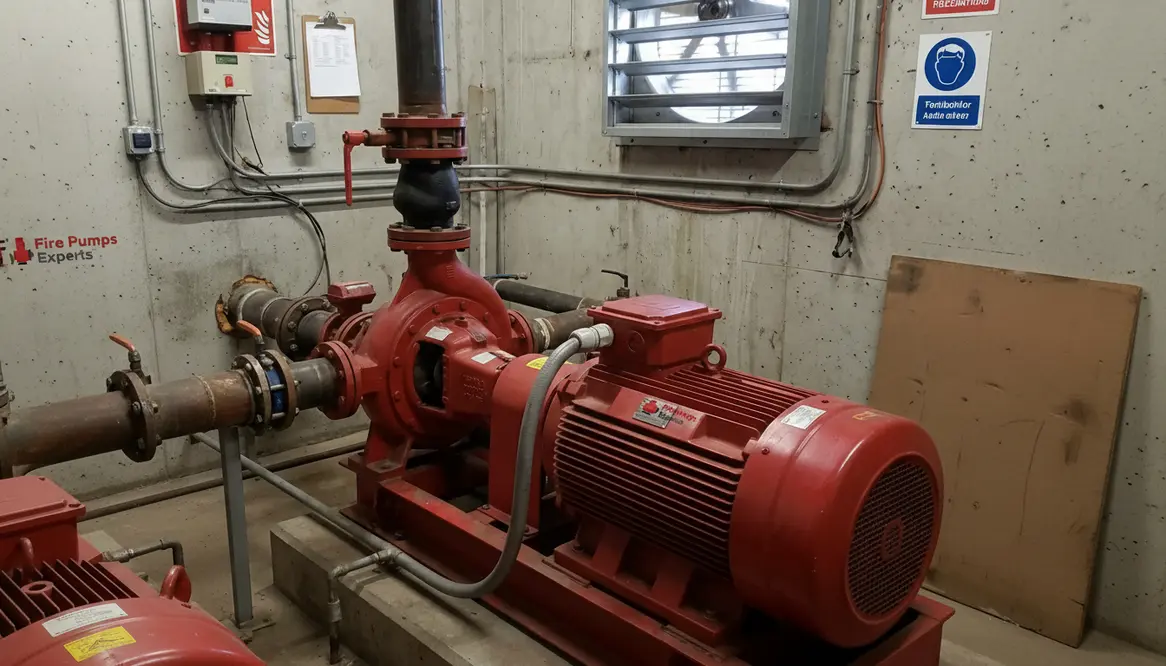
Fire Pump Room Ventilation and Compliance Standards
Now, when most folks think about fire protection systems in commercial and industrial buildings, their minds instantly go to sirens blaring, sprinklers raining down like special effects in a Hollywood disaster film, or the heroics of a fire hose-wielding firefighter. But few pause to appreciate the behind-the-scenes star of the prevention show: the humble yet mighty fire pump room ventilation system.
According to current fire pump room ventilation standards outlined in NFPA 20, 2019 and 2022 editions, ventilation is more than a box to check. It’s an essential piece of life—and property—saving infrastructure. These standards enforce minimum airflow rates, set temperature limits, and highlight what must be done to keep pumps from gasping for breath like an asthmatic marathoner.
Let me take you on a walk (not a sprint—this is serious stuff) through the world of fire pump room ventilation. We’ll keep it smooth, we’ll keep it real, and yes, we’ll sprinkle in a few laughs. Because fire pumps deserve more than dry manuals and yawn-inducing codebooks.
The Real Role of the Fire Pump Room: Not Just a Fancy Closet
First things first—fire pump rooms get no love. Walk into a state-of-the-art commercial high-rise and ask the property manager where the fire pump room is. Cue the confused look as they point you toward the janitor’s closet. Bless their hearts.
But make no mistake, this space is crucial. It houses centrifugal pumps that push thousands of gallons of water with pressure strong enough to keep fire hazards shaking in their smoky boots. These systems don’t function alone—they depend on electrical or diesel engines, and both generate heat like you wouldn’t believe.
Without proper ventilation, the room turns into a sauna. And unless your building’s fire pump moonlights at a spa, excessive heat is a big no-no. Code requires that the room temperature stays at or below 104°F (40°C) at all times for electric motors, and even lower when diesel engines are involved. That’s why engineers design ventilation with the same detail you’d give a nuclear reactor—okay, maybe not quite that extreme, but let’s just say it better be taken seriously.
Why “Just Open a Window” Isn’t Gonna Cut It
Now, I know what you’re thinking. “Can’t we throw in a fan or crack the door?” Oh, sweet summer child. If only it were that easy.
According to industry-standard fire pump room ventilation standards, ventilation must be designed with precision. That means correctly-sized intake and exhaust vents, mechanically-assisted airflow when natural ventilation doesn’t cut it, and in many cases, thermostatically controlled fans that kick on before the room hits critical temps.
A fan in the corner won’t move the needle. Fire pump engines—especially diesel—generate serious BTUs. This is not a “dust off the Home Depot catalog” situation. It requires mechanical engineers calculating CFM values, airflow paths, and temperature loads to ensure that room stays cooler than a ’90s Arnold Schwarzenegger catchphrase.
How to Properly Size and Configure the Ventilation System
Natural Ventilation
- Openings on at least two opposite walls
- Minimum free area based on engine size and heat output
- Louvers with protective grilles to prevent debris entry
Mechanical Ventilation
- Fan capacity sized by heat load calculation
- Thermostatically controlled based on room temperature
- Ducted systems that ensure uniform air flow across the space
Don’t just guess. Always refer to manufacturer specs for your specific fire pump, and plan the ventilation accordingly. And if you’re tempted to “eyeball it,” remember: fire pump failure is not something you want on your résumé—or your conscience.
Diesel Engine-Specific Needs: When the Room Starts Flexing
If electric fire pumps are the Clark Kent of the fire protection world, diesel pumps are The Hulk. Loud, rugged, strong—and very particular.
Diesel fire pumps require even tighter control on room temps and airflow. Plus, they need combustion air intake and separate discharge for engine exhaust, which adds extra layers of design complexity. Bad ventilation here doesn’t just overheat the engine—it can severely impact combustion efficiency, reducing power output when it’s needed most.
And yes, engines can “choke.” No, they won’t gasp for help like a movie villain—but they will fail to deliver the required rated GPM, and that’s when the insurance companies start circling like sharks hearing the Jaws theme.
Getting It Wrong Means Big Risk (And Brutal Compliance Penalties)
Let me be clear: improperly ventilated fire pump rooms aren’t just a technical boo-boo—they’re a liability nightmare. Here’s what bad ventilation can bring you:
- Equipment Failure: Motors and engines can shut down when overheated
- Non-Compliance: Violations under NFPA 20 and IFC come with steep fines
- Insurance Voids: Inadequate fire safety systems may invalidate property coverage
- Lack of Occupancy Approval: Your building might not get that Certificate of Occupancy
Also, let’s be real—do you really want to explain to your boss, or worse, the fire marshal, that your building’s “state-of-the-art” system went Luddite because you didn’t add the right fan? Didn’t think so.
Monitoring, Maintenance, and Modern Compliance Expectations
This isn’t a “set it and forget it” deal. Once installed, proper ventilation systems require routine tests and inspections to ensure they’re still operating correctly over time. Filters clog, fans wear out, thermostats fail. Like that trusty coffee maker in the break room, it needs love, too.
In commercial and industrial facilities, most property managers schedule quarterly inspections—if they’re on the ball. Smart ones integrate those checks into the overall fire protection system audits. Even smarter ones use remote temperature sensing and active interlock with the fire alarm system, making sure their approach lines up with the latest fire pump room ventilation standards instead of last decade’s habits.
How Ventilation Ties Into Overall Fire Pump Reliability
Ventilation doesn’t work in isolation. It’s a supporting actor in a much bigger ensemble cast that includes drivers, controllers, piping, and testing routines. If any of those pieces are ignored, the whole production suffers.
When you keep temperatures within limits, maintain clean airflow paths, and verify that fans and louvers respond when they should, you’re not just “meeting code.” You’re preserving pump efficiency, protecting insulation on conductors, keeping lubrication systems behaving, and giving your system a real shot at performing exactly as NFPA 20 intends when the sprinklers open up.
Practical Checks for Your Next Walkthrough
- Room temperature logs showing you’re staying within limits
- Louvers that open and close freely without sticking or obstruction
- Fans that start when the thermostat calls for them—and shut off when they should
- Clear airflow paths, not blocked by storage, shelving, or last year’s forgotten boxes
- Combustion air openings sized and located per engine manufacturer requirements
Why Documentation Matters
When inspectors or insurance reps come knocking, good documentation is your armor. Keep records of ventilation calculations, fan specs, thermostat setpoints, and recent inspection findings. That trail shows you didn’t just “wing it”—you followed recognized fire pump room ventilation standards with intent.
FAQ: Quick Hits on Fire Pump Room Ventilation
What is the required temperature for a fire pump room?
For electric pumps, not above 104°F (40°C). For diesel, it varies but generally needs to stay below 120°F (49°C) with adequate combustion air.
Is natural ventilation enough for fire pump rooms?
Only if openings meet minimum area and location requirements. Otherwise, mechanical ventilation is mandatory.
Can you use air conditioning in a fire pump room?
Yes, but it’s rare. Ventilation is preferred due to reliability during power loss. AC doesn’t work in emergencies unless tied to standby power.
Does NFPA 20 require airflow calculations?
Yes. Calculations are required to size ventilation systems based on engine heat gain and required temperature thresholds.
Can ventilation systems run continuously?
They can, but most are thermostatically controlled to activate only when needed, saving energy and prolonging fan lifespan.
Let’s Wrap This Up
If I can leave you with one thought, it’s this: designing proper fire pump room ventilation isn’t “extra credit”—it’s the foundation of a compliant, reliable fire protection system. When lives and millions in assets are on the line, you want everything operating at full power. Firepumps.org works exclusively with commercial, industrial, and large property clients, and we know the game better than anyone else on the field.
Need an expert to check your ventilation setup or consult on new construction? Reach out today and put your fire pump room’s airflow in the hands of pros who actually breathe this stuff. And if you want a deeper look at how NFPA 20 shapes fire pump performance, including room conditions and related system design, check out this overview from Kord Fire Protection at How NFPA 20 Regulates Fire Pump Systems: A Comprehensive Overview.