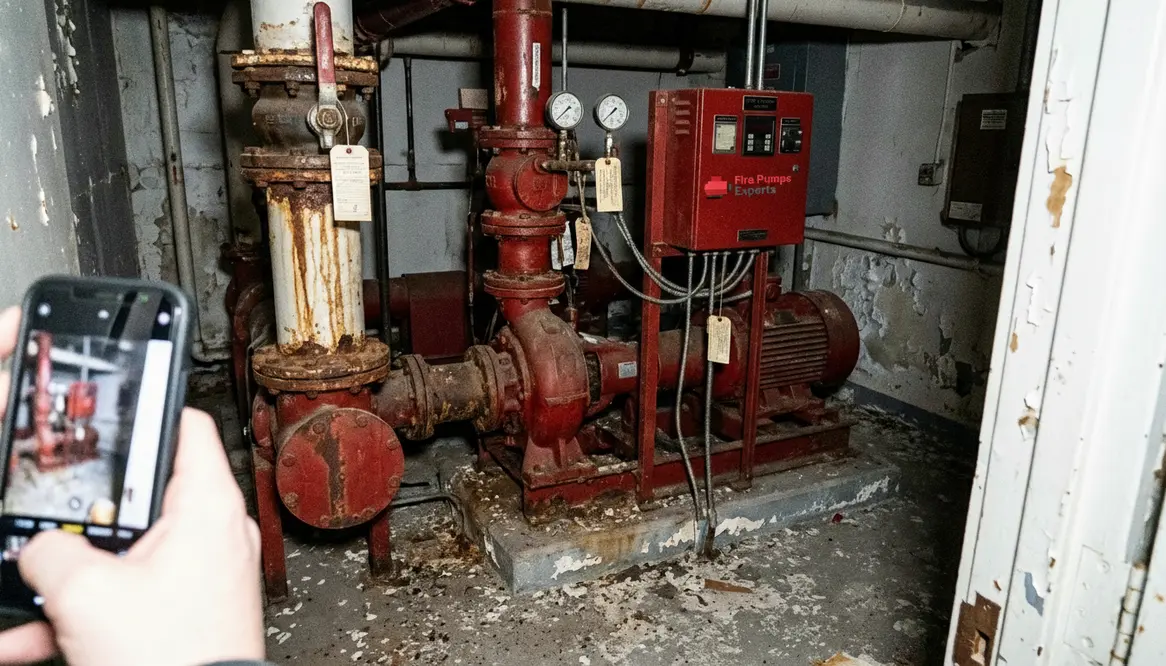
Fire Pump System Upgrades for Older Buildings
I have spent enough time walking through mechanical rooms in aging commercial towers to know one simple truth. Time does not treat infrastructure kindly. Pipes corrode. Controls grow outdated. And fire pumps that once roared like champions begin to sound more like a tired engine in a 1990s action movie. That is why upgrading fire pump systems older buildings is not just a maintenance decision. It is a safety strategy.
In large commercial and industrial properties, fire protection must operate with quiet confidence. When an emergency strikes, the system cannot hesitate or negotiate. It simply works. Therefore, modernizing aging fire pump equipment becomes essential for compliance, reliability, and operational resilience. I often explain it this way. If the building is the body, the fire pump is the heartbeat of the suppression system. And nobody wants a hesitant heartbeat.
So let me walk you through how I approach these upgrades and why they matter for major facilities.
Why aging commercial buildings eventually outgrow their original fire pump systems
When many commercial high rises, manufacturing facilities, and institutional properties were constructed decades ago, the fire protection requirements were very different. Codes were simpler. Buildings were smaller. And equipment technology looked like something that belonged in a museum next to a rotary phone.
However, building use evolves. A warehouse becomes a data storage hub. A manufacturing plant adds new machinery. A high rise adds floors or undergoes major renovation. Consequently, the original fire pump may no longer deliver the pressure or flow required by modern fire protection design.
Several warning signs usually appear.
- Pressure levels no longer meet updated fire code requirements
- Frequent pump controller faults or unreliable startup sequences
- Replacement parts becoming difficult or expensive to source
- Higher risk of pump failure during full flow testing
Moreover, older controllers often lack modern diagnostics. That means facility teams operate with limited visibility. It is a bit like driving a car with no dashboard lights. Sure, the engine might be fine. Or it might be moments away from a dramatic Hollywood style breakdown.
Therefore, upgrading fire pump systems older buildings allows property owners to align their infrastructure with current standards while improving long term reliability.
What should facility managers evaluate before upgrading fire pump systems older buildings
Before anyone rushes into replacing equipment, I always recommend a structured assessment. A thoughtful evaluation reveals whether the existing pump can be modernized or if a full system replacement makes more sense.
First, hydraulic performance must be measured. Engineers typically conduct flow testing to verify whether the pump can still deliver the required gallons per minute at the correct pressure. If the numbers fall short, the system clearly needs attention.
Next, I look at the electrical and control infrastructure. Many older controllers rely on outdated relays and mechanical switches. Although these systems were durable in their time, modern digital controllers provide faster diagnostics, better alarms, and improved integration with building monitoring systems.
Another critical factor involves water supply reliability. Over the years, municipal supply conditions can change. Additionally, new sprinkler zones or standpipe requirements may demand greater flow capacity. Consequently, upgrading fire pump systems older buildings often involves re evaluating the entire water delivery path.
Finally, physical space matters. Mechanical rooms built decades ago sometimes lack adequate clearance for modern equipment. While that may sound like a design headache, creative retrofits usually solve the problem.
And yes, sometimes the pump room feels like a scene from Indiana Jones. You expect ancient artifacts to start glowing if you touch the wrong valve.
How modern fire pump technology improves reliability and compliance
Smarter controls and diagnostics
When facility owners invest in modern fire pump technology, the improvements are immediate and measurable. In fact, the newest systems focus heavily on reliability and operational visibility.
For example, modern controllers include advanced monitoring systems. These systems track voltage levels, motor performance, pump status, and alarm conditions in real time. As a result, maintenance teams detect problems long before they become emergencies.
Efficiency, integration, and compliance
Furthermore, modern pump designs often improve energy efficiency during testing and operation. Although fire pumps rarely run under normal conditions, efficient systems reduce wear during weekly churn tests and annual performance evaluations.
Another major advantage involves integration with building management systems. Facility operators can monitor alarms remotely, allowing faster response times and better documentation for compliance inspections.
Of course, code compliance remains the biggest benefit. Standards from organizations such as NFPA evolve over time. Therefore, upgrading fire pump systems older buildings helps ensure that commercial properties meet current fire protection requirements without last minute surprises during inspections.
Think of it as giving your building the fire protection equivalent of a modern operating system update. Less crashing. Fewer mysterious glitches. And hopefully no spinning wheel of doom.
Upgrade strategies that minimize disruption in large facilities
One of the biggest concerns I hear from property managers involves downtime. Large commercial facilities cannot simply shut down operations while equipment gets replaced. Fortunately, experienced fire protection contractors plan upgrades carefully to maintain protection throughout the process.
Planning considerations
- Evaluate peak facility operating hours
- Coordinate with building engineers and safety officers
- Schedule temporary protection if required
- Review local code authority requirements
Execution steps
- Stage equipment delivery to minimize disruption
- Install new controllers and electrical systems first
- Transition pump systems during controlled shutdown windows
- Conduct full performance testing immediately after installation
Because of careful planning, many upgrades occur with minimal impact on building occupants. In fact, some facilities complete major fire pump replacements during overnight maintenance windows.
Consequently, upgrading fire pump systems older buildings does not need to disrupt productivity. Instead, it becomes a controlled improvement that strengthens the building without slowing the business inside it.
When is the right time to upgrade a fire pump in a commercial building?
I hear this question often. The honest answer is that timing depends on performance, compliance, and long term planning.
However, several conditions strongly suggest it is time to act.
- The system struggles during annual flow testing
- Replacement components are obsolete
- The building has expanded or changed use
- Frequent controller faults appear
- Insurance or regulatory inspections flag deficiencies
Additionally, property owners often coordinate upgrades with major building renovations. Since contractors already access mechanical spaces and electrical infrastructure, combining projects reduces cost and downtime.
Therefore, proactive modernization usually costs far less than emergency replacement after a system failure. And trust me, emergency replacements rarely feel calm or organized. They feel more like the last ten minutes of a disaster movie.
FAQ about fire pump system modernization
Older commercial properties in California and beyond often rely on legacy fire pump assemblies that are still technically running but no longer align with current performance or testing expectations. Whether you are coordinating inspections, budgeting capital improvements, or simply trying to avoid unpleasant surprises, a few common questions tend to surface again and again.
Next steps for upgrading fire pump systems in older buildings
Modern fire protection demands reliability, precision, and compliance. Therefore, upgrading fire pump systems older buildings ensures that commercial and industrial facilities remain protected when it matters most. If your property relies on aging equipment, now is the time to evaluate performance and plan improvements. A properly modernized system safeguards people, property, and operations. And when the unexpected happens, you will know your building stands ready to respond without hesitation.
If you need a starting point, partnering with a specialized fire pump service provider can streamline inspections, testing, and upgrade planning. Providers like Kord Fire’s fire pump service team help evaluate existing performance, compare it against current code expectations, and design a practical roadmap for modernization that fits your budget and operational realities.