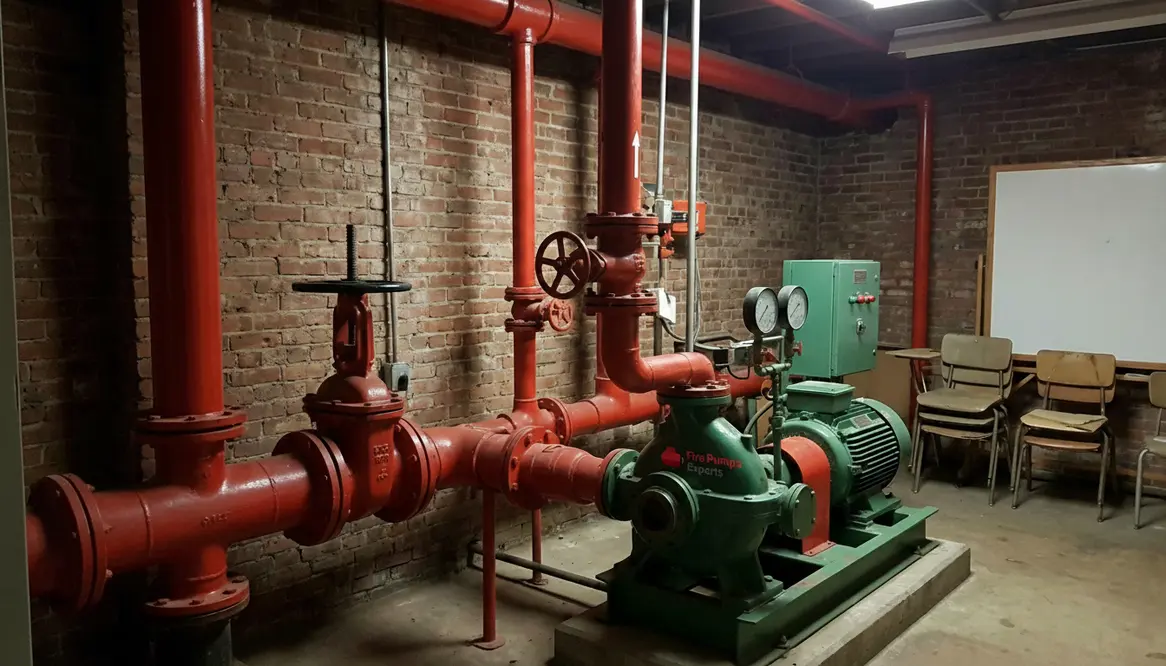
Fire Pump Systems for Charter Schools Compliance
I have walked through many school buildings in my time, and let me tell you, alternative education facilities carry a rhythm all their own. They are flexible, creative, and often a little unconventional. However, when it comes to safety, especially fire compliance, there is no room for improvisation. That is where Fire Pump Systems for Charter Schools come into play. Within the first few moments of stepping inside a facility, I can often tell whether fire protection has been treated as a priority or an afterthought. Spoiler alert, the building always tells on you.
So, let us take a steady walk through what fire compliance really means in these spaces, and why it matters more than most people realize.
Why fire compliance matters in alternative education facilities
Alternative education settings often operate in repurposed commercial buildings. Old offices, warehouses, even former retail spaces get new life as learning environments. While that creativity is admirable, it also introduces risk. These structures were not always designed with classrooms in mind.
Because of that, fire safety systems must adapt. I have seen facilities with narrow exits, outdated alarms, and sprinkler systems that look like they belong in a museum. And while that might charm a history buff, it does nothing for compliance.
Moreover, local codes require strict adherence to fire protection standards. Authorities expect these buildings to support safe evacuation, rapid detection, and controlled suppression. Without those elements in place, even the most inspiring educational program can face shutdown.
Fire Pump Systems for Charter Schools and evolving building demands
Now, here is where things get interesting. When water pressure from municipal sources falls short, facilities must rely on Fire Pump Systems for Charter Schools to deliver consistent flow. These systems are not just helpful. They are essential in larger or multi level buildings.
Additionally, alternative education facilities often expand over time. A new wing here, a converted lab there. With each change, the demand on fire suppression systems increases. Therefore, upgrading or installing fire pump systems becomes less of a choice and more of a necessity.
I like to think of these systems as the unsung heroes of the building. Nobody applauds them, but when things go wrong, they are the first responders. Kind of like that one quiet character in every movie who saves the day while everyone else panics.
How do I keep my facility compliant without overcomplicating it
That is the question I hear most often. And honestly, the answer is simpler than people expect.
First, regular inspections are non negotiable. Fire alarms, sprinklers, and suppression systems must be tested on a consistent schedule. Skipping inspections is like ignoring a check engine light and hoping the car just figures it out. It will not.
Second, documentation matters. Inspectors want clear records. When you can show maintenance logs and compliance reports, the process becomes smoother.
Finally, work with professionals who understand commercial and industrial scale systems. These are not residential setups. They require expertise, precision, and an understanding of how large buildings behave under stress.
Common compliance gaps I see again and again
Over time, patterns emerge. Certain issues show up so often that I could probably predict them before walking through the door.
Frequent Oversights
- Blocked or unclear exit routes
- Outdated sprinkler heads
- Inconsistent alarm coverage
- Lack of system testing
Consequences
- Delayed evacuation
- Reduced suppression effectiveness
- Missed alerts during emergencies
- Failed inspections and fines
However, the biggest issue is often mindset. People treat compliance as a checklist instead of a living system. Buildings change, occupancy shifts, and risks evolve. Therefore, fire protection must evolve as well.
Planning for growth without compromising safety
Alternative education facilities rarely stay static. Programs expand, student numbers grow, and spaces get reconfigured. While that growth is exciting, it can quietly strain fire protection systems.
For example, adding more occupants increases evacuation time. Meanwhile, expanding square footage requires stronger water delivery and coverage. This is where strategic planning becomes critical.
I always recommend evaluating fire systems during any renovation or expansion phase. It is far easier to upgrade infrastructure before problems arise than to fix them after an inspection failure. Think of it like upgrading your phone storage before you run out of space mid vacation. Nobody wants that kind of stress.
Working with experts who understand commercial scale safety
Not all fire protection providers are created equal. Some specialize in small scale systems, while others focus on large commercial properties. For alternative education facilities, especially those in repurposed buildings, that distinction matters.
Professionals who design and maintain Fire Pump Systems for Charter Schools and other large structures understand pressure requirements, flow calculations, and system integration. They know how to align compliance with real world building use.
Furthermore, they stay current with evolving codes and standards. That knowledge ensures your facility remains compliant not just today, but in the years ahead.
FAQ: Fire compliance for alternative education facilities
Final thoughts and next steps
Fire compliance is not just about passing inspections. It is about creating a space where safety works quietly in the background, ready when needed. If your facility is growing or operating in a complex structure, now is the time to evaluate your systems. Connect with professionals who specialize in commercial fire protection and Fire Pump Systems for Charter Schools and ensure your building stands ready, no matter what comes its way. Because when it comes to safety, preparation is always the smartest move.
For more technical guidance on pump sizing, testing intervals, and code references, a helpful starting point is https://firepumps.org, paired with input from a qualified fire protection engineer who understands the reality of alternative education facilities.