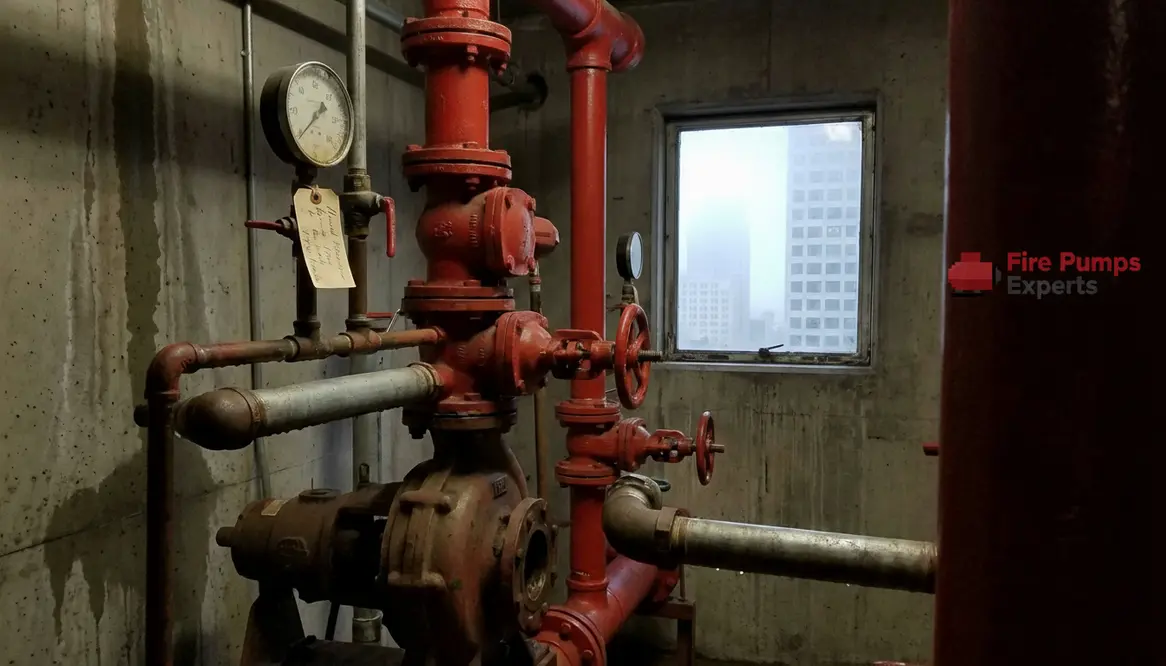
fire pump water hammer San Francisco risks guide
I have spent enough time around high pressure systems in San Francisco to know one thing for certain. Water behaves until it doesn’t. And when it doesn’t, it slams pipes like a drum solo at a rock concert. That brings me to fire pump water hammer San Francisco risks, a topic that may not sound thrilling at first, yet it has the power to shake entire commercial buildings, quite literally.
In a city where high rises lean into fog and infrastructure works overtime, pressure surges inside fire protection systems can quietly build into a serious problem. So today, I am walking you through what causes it, why it matters, and how to keep your system from sounding like it just joined a heavy metal band.
What Causes Water Hammer in Fire Pump Systems
Let me keep this simple. Water hammer happens when flow suddenly changes direction or stops. However, in high pressure fire pump systems, that shift becomes aggressive. Valves close too quickly. Pumps shut down abruptly. Pressure waves slam through pipes with nowhere polite to go.
As a result, the energy turns into force. That force hits pipe walls, fittings, and valves. Over time, it weakens them. In the worst cases, it breaks them.
Moreover, San Francisco buildings often rely on vertical pumping systems. That adds gravity into the mix, which is not exactly known for subtlety. So when pressure rebounds, it travels faster and hits harder.
And yes, if pipes could talk, they would probably file a formal complaint.
fire pump water hammer San Francisco Risk Factors in High Rise Systems
Why local systems face extra stress
Now, let’s focus on what makes San Francisco a bit of a perfect storm. First, many commercial and industrial buildings operate under high demand fire protection requirements. That means stronger pumps and higher pressures.
Additionally, aging infrastructure plays a role. While the skyline looks modern, some internal systems have seen decades of service. Combine that with seismic considerations, and you get systems already under stress.
Design and automation challenges
Then there is system design. In some properties, I see long vertical pipe runs without adequate surge protection. Consequently, when pressure shifts, there is nothing to absorb the shock.
Finally, automation can be both a hero and a villain. Fast acting valves and controls improve response time. However, if they act too quickly, they trigger water hammer events.
Think of it like slamming on the brakes at highway speed. The car stops. Everything else keeps going.
How Do I Prevent Pressure Surges in Fire Pump Systems?
I get this question a lot, and thankfully, the answers are practical.
Core strategies to tame pressure surges
First, install surge suppression devices. These absorb pressure waves before they become destructive. Second, use slow closing valves. They give water time to adjust, instead of forcing it into a wall.
Next, I always recommend variable frequency drives. They allow pumps to ramp up and down gradually. As a result, pressure stays controlled.
Also, regular system testing matters. Not the checkbox kind. Real testing that monitors pressure changes in real time.
And here is the part many overlook. Proper system design from the start. Retrofitting helps, but designing for pressure stability is always better.
Common issues I see
- Sudden valve closures
- Lack of surge tanks
- Oversized pumps for system demand
- Poor pressure zoning
Smart solutions
- Hydraulic modeling before upgrades
- Installation of pressure relief valves
- Gradual pump control systems
- Routine inspection of high stress points
The Hidden Costs of Ignoring Water Hammer
At first, water hammer sounds like a noise problem. Maybe a few bangs in the pipes. Nothing dramatic. That assumption is where things go sideways.
Because behind that noise is structural stress. Over time, joints loosen. Valves fail. Pumps wear out faster than expected.
In commercial and industrial buildings, downtime is expensive. Fire system impairment can halt operations or trigger compliance issues. Furthermore, insurance complications tend to follow close behind.
Then there is safety. Fire protection systems must perform when needed. If water hammer has compromised the system, reliability drops. That is not a risk worth taking.
And if I may add a touch of humor, pipes do not send warning emails before they fail. They prefer dramatic exits.
fire pump water hammer San Francisco Solutions for Large Facilities
When I approach large scale facilities, I focus on long term stability, not quick fixes. That means evaluating the entire system, not just the noisy section.
First, I look at pump performance curves. If pumps operate outside optimal ranges, pressure spikes become more likely. Then, I review valve timing and sequencing.
Additionally, I consider installing air chambers or bladder tanks. These act like shock absorbers. They take the hit so your pipes do not have to.
Monitoring also plays a key role. Smart sensors can track pressure fluctuations continuously. Therefore, issues get caught early, before they escalate.
And yes, sometimes the solution is as simple as slowing things down. Not everything needs to happen at lightning speed, despite what action movies suggest.
If you operate in a dense urban environment, pairing these strategies with a clear understanding of fire pump water hammer San Francisco patterns helps you catch issues tied to local supply pressures, elevation changes, and aging municipal connections.
Why local expertise matters
fire pump water hammer San Francisco issues do not always look the same as problems in flat, newer cities. Elevation shifts, older districts, and variable water supply pressures make a strong case for working with teams who know the local quirks, from garage-level pump rooms to rooftop tanks on narrow, tall structures.
That can include coordinated reviews with mechanical engineers, fire protection contractors, and specialists who have instrumented similar buildings and tracked how systems react during weekly tests, quarterly inspections, and full flow tests required by standards. When those teams already understand the behavior of fire pump water hammer San Francisco facilities are prone to, they can often spot patterns early, before damage shows up as leaks or failed valves.
FAQ Quick Answers
Conclusion
If you manage a commercial or industrial property, ignoring pressure surges is a gamble you do not want to take. I encourage you to assess your system, invest in proper controls, and work with experts who understand high pressure environments. The right adjustments today can prevent costly damage tomorrow. Reach out to a qualified fire protection team and make sure your system runs smoothly, quietly, and reliably when it matters most.
Whether you are troubleshooting a single noisy riser or planning upgrades across multiple sites, treating fire pump water hammer San Francisco risks as a priority helps protect people, property, and the systems you depend on when everything else is already going wrong.