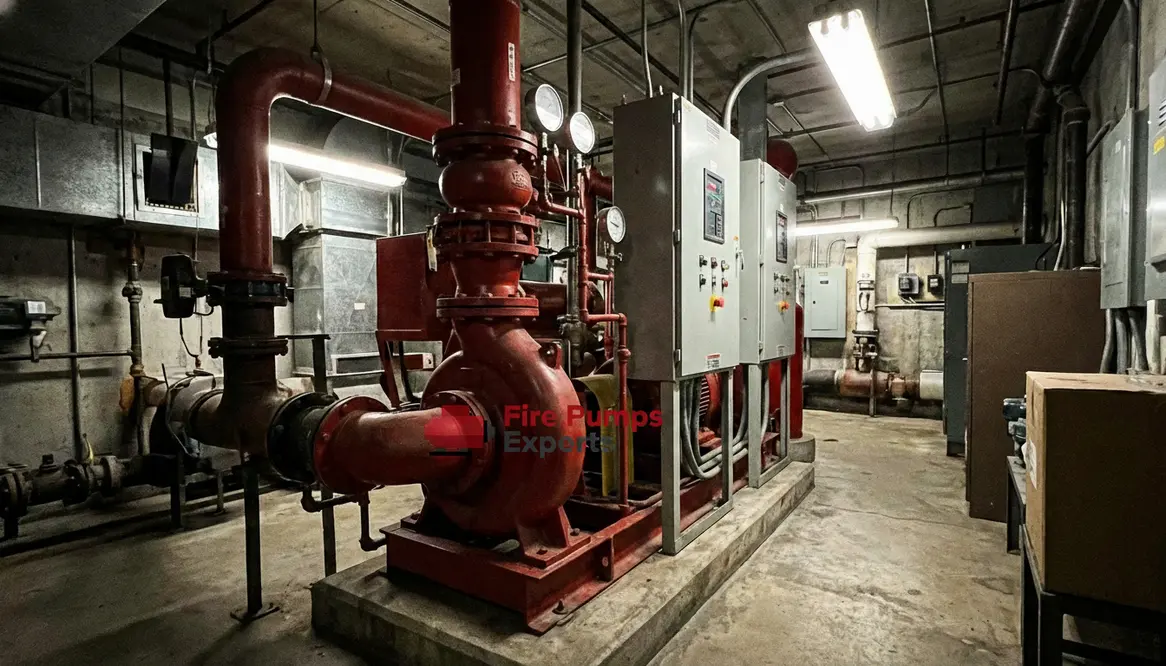
High Density Urban Fire Pumps for Mixed Occupancy
I have spent years around mechanical rooms that hum like quiet orchestras, and I can tell you this much. When it comes to protecting complex properties, nothing commands respect quite like high density urban fire pumps. In mixed occupancy buildings where offices share walls with retail, and residential towers rise above it all, these systems are not just equipment. They are the steady heartbeat that keeps risk in check. And while they rarely get applause, they do their job with a quiet confidence that would make even Batman nod in approval.
Why Mixed Occupancy Buildings Demand Smarter Fire Protection
Mixed occupancy buildings are, in many ways, organized chaos. You have different fire loads, varying water demands, and unique code requirements all under one roof. Therefore, a one size fits all system simply does not cut it.
I approach these projects knowing that each zone behaves differently. Retail spaces may need fast suppression due to open layouts. Residential areas require consistent pressure across many floors. Meanwhile, commercial tenants expect uninterrupted operations. As a result, I rely on tailored pump configurations that adapt to these shifting demands without hesitation.
And yes, if buildings had personalities, mixed use structures would be that overachiever who schedules five meetings at once and still shows up early.
How Do Fire Pump Systems Handle Multiple Occupancy Types Effectively
The answer is balance. I design systems that prioritize pressure stability and flow control across all zones. That means integrating variable speed drives, zoning strategies, and backup redundancy.
First, I separate demand profiles. Then, I align pump capacity to the highest required flow while ensuring lower demand areas are not overpressurized. Consequently, every tenant receives the protection they need without stressing the system.
Moreover, I often include smart controllers. These allow real time adjustments, which is essential when occupancy patterns shift. Think of it as giving your fire protection system a brain instead of just muscle.
Designing With High Density Urban Fire Pumps in Complex Structures
When I bring high density urban fire pumps into the design, I focus on performance under pressure. Literally. These systems are built for environments where space is tight but demand is high.
Vertical Distribution And Demand
In high rise mixed occupancy buildings, vertical distribution becomes critical. Therefore, I account for elevation losses, friction, and simultaneous demand scenarios. Additionally, I ensure compliance with local codes while still optimizing efficiency.
Space Constraints And Creativity
Space constraints often push creativity. I have worked in mechanical rooms that felt more like puzzle boxes than functional spaces. Still, with the right pump selection and layout, I make it work. It is a bit like playing Tetris, except the stakes are significantly higher.
Key Components That Keep Systems Reliable
Core Elements I Always Prioritize
- Primary and backup pump units for redundancy
- Jockey pumps to maintain system pressure
- Advanced controllers for real time monitoring
- Dedicated power supply or generator backup
Why They Matter
- Redundancy ensures operation during failure
- Pressure stability prevents system wear
- Monitoring reduces response time
- Backup power keeps systems running during outages
Each component plays a role in keeping the system dependable. Without them, even the most powerful pump becomes a liability instead of an asset.
Installation Challenges in Commercial and Industrial Properties
I will be honest. Installing fire pump systems in large scale properties is rarely straightforward. Between tight construction timelines and coordination with other trades, things can get complicated fast.
However, I tackle these challenges by planning early and communicating often. I coordinate with structural, electrical, and plumbing teams to avoid conflicts. Furthermore, I ensure that installation aligns with long term maintenance access. Because no one wants to move a wall just to service a pump later.
And yes, sometimes it feels like directing a movie where everyone forgot the script. But when it comes together, it is a beautiful thing.
Maintenance Strategies That Extend System Life
Routine Testing And Monitoring
Once a system is installed, the real work begins. I always emphasize routine inspection and testing. After all, a fire pump system that fails during an emergency is about as useful as a screen door on a submarine.
I recommend weekly churn tests, monthly inspections, and annual performance testing. Additionally, I encourage property managers to invest in monitoring technology. This allows issues to be identified before they become critical.
Lifecycle, Cost, And Reliability
Consistency is key. A well maintained system not only performs better but also lasts longer, reducing overall lifecycle costs. With the right inspection schedule and records, high density urban fire pumps deliver dependable performance year after year instead of becoming expensive surprises.
Where High Density Urban Fire Pumps Really Shine
In dense city cores, mixed use towers, and sprawling podium developments, high density urban fire pumps earn their keep. They handle stacked occupancies, extended hose runs, rooftop amenities, basement parking levels, and everything in between without flinching.
Tie them into well planned riser networks, floor control valves, and zone splits, and you get a system that quietly guards lobbies, condos, offices, loading docks, and restaurants all at once. Connect that engineering backbone to clear procedures and trained staff, and the building stops being a question mark in an emergency and starts feeling like a coordinated response machine.
FAQ Quick Answers for Fire Pump Systems
Final Thoughts and Next Steps
If you manage or develop a mixed occupancy property, investing in the right fire pump system is not optional. It is essential. I design solutions that protect people, assets, and operations without compromise. Reach out today and let us build a system that works as hard as your property does. Because when safety runs quietly in the background, everything else can take center stage. For deeper technical resources and industry guidance, you can explore material at https://firepumps.org, then bring those insights back to your own project so your high density urban fire pumps are aligned with both code and common sense.