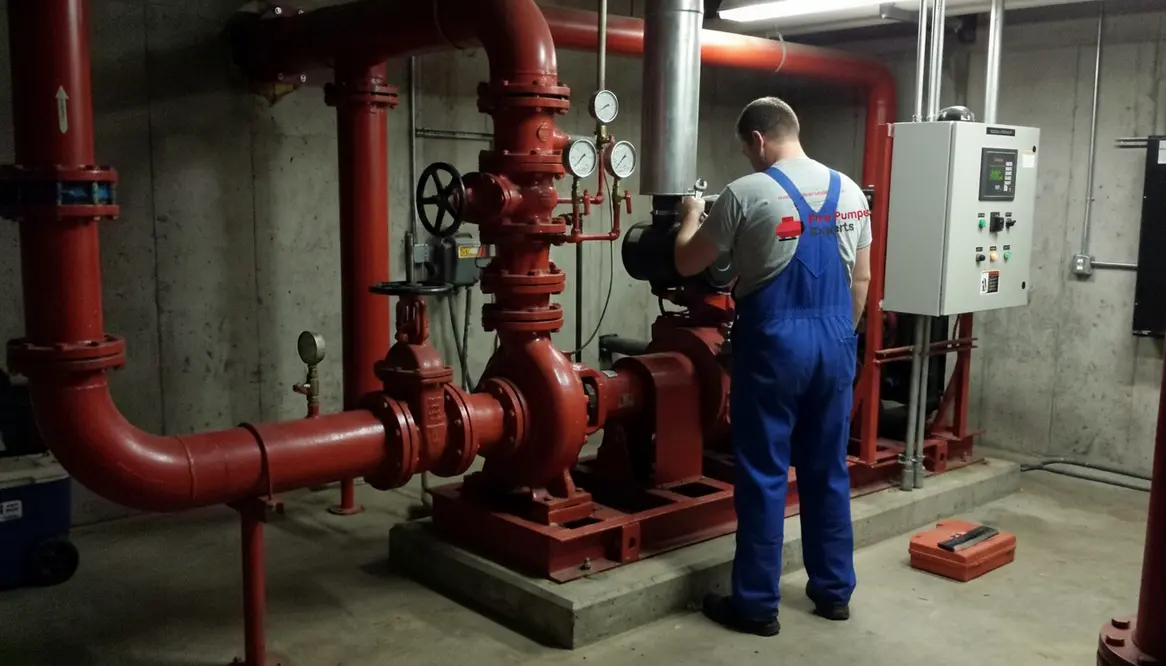
Hospital Fire Pump Requirements and Installation Tips
Fire Pump Requirements for Hospitals: The Beating Heart of Emergency Preparedness
Let’s face it—when most of us think “hospital,” we picture doctors in white coats saving lives, not steel-lined rooms filled with complex fire pump systems. But behind the scenes, there’s an unsung hero humming deep in the basement, probably loud enough to wake up your coffee machine: the fire pump. In terms of hospital fire pump compliance requirements, we’re talking about robust systems designed to maintain constant water pressure in sprinklers and standpipes, ensuring fire protection systems don’t just meet code—they surpass it.
And make no mistake, this isn’t just about code compliance for the sake of red tape. We’re protecting people at their most vulnerable. Hospitals are full of patients who can’t exactly make a beeline for the exits when the fire alarm goes off. So, what keeps these critical facilities safe when every second counts? The fire pump.
Now, grab your hard hats (or stethoscopes, depending on your style), and get ready—with a bit of humor, a dose of reality, and an ode to the silent guardian in the mechanical room.
What Makes a Hospital Fire Pump So Special?
First things first—what puts the “hospital” in a hospital fire pump system? It’s not a new episode of Grey’s Anatomy, that’s for sure. It’s the fact that hospitals demand a higher level of fire protection than your average building. That includes:
- 24/7 operation
- Redundant water supply sources
- Reliable backup power systems (hello, diesel generators)
- UL-listed fire pump controllers
But what truly sets the bar higher? NFPA 20 and the Joint Commission. Those are the two stern librarians in the corner, making sure your hospital fire pump setup isn’t just present, but ready for every quarterly inspection.
Hospitals fall under the category of “mission critical,” right alongside data centers and covert superhero lairs. So, when it comes to hospital fire pump compliance requirements, you’re not installing these systems for fun. They’re required to operate under a variety of pressure conditions, building heights, and occupancy types—all without missing a beat.
Why mission-critical status changes everything
Because hospitals never sleep, their fire protection systems can’t either. That means the pump, power, controls, and monitoring must be designed so a single failure doesn’t bring the whole system to its knees. The hospital fire pump compliance requirements you work with should reflect that reality: redundancy, clear access, documented performance, and tight coordination with life safety systems.
Installation Tips That Won’t Land You In The Fire Marshal’s Naughty List
Installing a fire pump system in a hospital isn’t like Ikea furniture. There’s no missing an Allen wrench and calling it adequate. This is high-stakes mechanical engineering, seasoned with a dollop of bureaucracy. Here’s what seasoned pros—and you—should always keep in mind:
- Location, Location… Below Grade? Fire pumps should be installed at a level below the water supply to ensure positive suction pressure. Translation: they can’t suck air like your last vacuum cleaner.
- No Obstructions: The room should be easy to access and not doubled as a janitor closet. Sadly, no, Kevin can’t store his mop here.
- Proper Ventilation: Because you don’t want your pump engine overheating faster than a laptop on a pillow.
- Dedicated Power Supply: Either through emergency generators or backup power circuits.
Common mistakes that will haunt your inspection
Failing any of this doesn’t just put a ding in your compliance report—it can cost lives. The usual culprits? Fire pump rooms crammed with storage, mystery conduits blocking access, valves that aren’t labeled, and test headers that might as well be on another planet. When you’re dealing with hospital fire pump compliance requirements, shortcuts have a way of showing up later in the worst possible moment.
Key Components of Hospital-Grade Fire Pump Systems
So what’s actually in this metallic beast down in the lower level? A hospital-grade fire pump system isn’t a single device. It’s more like the Avengers: a team of highly specialized parts working together, minus the capes and egos (well, maybe the pump controller has some ego).
Main components
- Electric or diesel fire pump
- Jockey pump (the silent MVP)
- Pump controller (UL-listed, of course)
- Backflow preventer
- Waterflow alarm devices
Supporting systems
- Emergency power supplies
- Fire-rated room enclosures
- Weekly churning timers
- Pressure relief valves
- Test header and flow meter assemblies
Each piece plays a critical role in ensuring pressurized water is there when it’s needed—like that one friend who shows up early to help you move. You don’t question it. You just say thank you.
Designing for hospital fire pump compliance requirements
When these components are selected and laid out, they should reflect the hospital fire pump compliance requirements you’re working under: clear working space around equipment, listed and approved devices, properly sized suction and discharge piping, and test connections that allow you to prove performance under real-world demand. The right design means less drama when the AHJ walks into the pump room with a clipboard.
How I Helped a Hospital Avoid a $200,000 Code Violation—Yes, Really
A few years back, I got a late-night call from a hospital facility manager. Their old fire pump system had all the grace and power of a 1992 Chevy Cavalier. One hiccup, and the sprinklers could’ve failed mid-code red. Cue the dramatic music.
We walked the facility, reviewed every fire pump compliance requirement imaginable, and found not one, but five code violations. That included inadequate clearance around the pump, failure to test the weekly churn cycle, and an electrical tie-in that looked like it was built during the Nixon era.
- A diesel-driven, NFPA 20-compliant fire pump with an 8-hour fuel supply
- Redundant controllers to ensure operation even in dual failures
- Integrated monitoring with the building automation system
Fast forward: annual inspection came and went, and the fire marshal gave the thumbs up. Hospital avoided a six-figure renovation. And all I asked in return was one hospital cafeteria grilled cheese. Worth it.
What Are the Testing and Maintenance Rules?
Hospital fire pumps aren’t just installed and forgotten like your gym membership. They need love, attention, and most importantly—testing. NFPA 25 outlines the waterway to happiness when it comes to operations and upkeep:
- Weekly No-Flow Test: Fire pump runs without water flowing. Think of it as cardio, without sweating.
- Annual Flow Test: Ensure the system can hit 100% rated capacity. Your gold star awaits.
- Battery and Generator Checks: Surely you didn’t think this was plug-and-play?
- Controller Function Tests: Confirm it starts automatically under real-world conditions.
Documentation of every test is required. Not optional. Your future inspector will want to see records. And they’re not fans of crayon.
Turning hospital fire pump compliance requirements into a routine
The easiest way to stay out of trouble is to turn testing into a calendar habit. Weekly, monthly, and annual checks should all line up with your broader life safety schedule. When hospital fire pump compliance requirements are baked into operations—not treated as a once-a-year scramble—you get cleaner inspections, fewer surprises, and a system that’s far more likely to perform when you actually need it.
Okay, But Who Actually Installs These Things?
If you’re thinking of calling your cousin who installed your living room ceiling fan, pause. Fire pumps for large commercial facilities like hospitals are not a DIY Sunday activity. These systems should only be designed, installed, and maintained by experienced contractors familiar with both NFPA standards and regional building codes.
At FirePumps.org, our sweet spot is high-stakes environments like commercial hospitals, industrial complexes, and property buildings where compliance can’t be left to amateurs. We don’t dabble in small jobs because mission-critical systems demand big-league experience.
We know that fire protection isn’t about ticking off boxes. It’s about delivering safety in environments where reliability is everything. When your installer understands hospital fire pump compliance requirements as more than just fine print, your odds of passing inspection—and performing during an emergency—skyrocket.
If you need a deeper look at how professional fire pump services keep systems reliable, check out this helpful overview from Kord Fire Protection on their fire pump services page at https://kordfire.com/fire-pump/.
FAQ: How Hospital Fire Pumps Really Work
Final Thoughts on Keeping Hospitals Safe
If you’re managing a hospital, owning a commercial facility, or sitting on an industrial complex that needs a fire pump system—don’t cut corners. Getting your hands around the hospital fire pump compliance requirements isn’t just a checkbox on a form. It’s about protecting lives, investments, and staying off the front page for the wrong reasons. Simple as that.
CTA: Ready to upgrade that outdated fire pump system or make sure you’re code-compliant? Contact FirePumps.org today. We specialize in large commercial and industrial fire pump systems, and we’re ready to get your facility code-ready and inspection-proof—in one fell swoop.