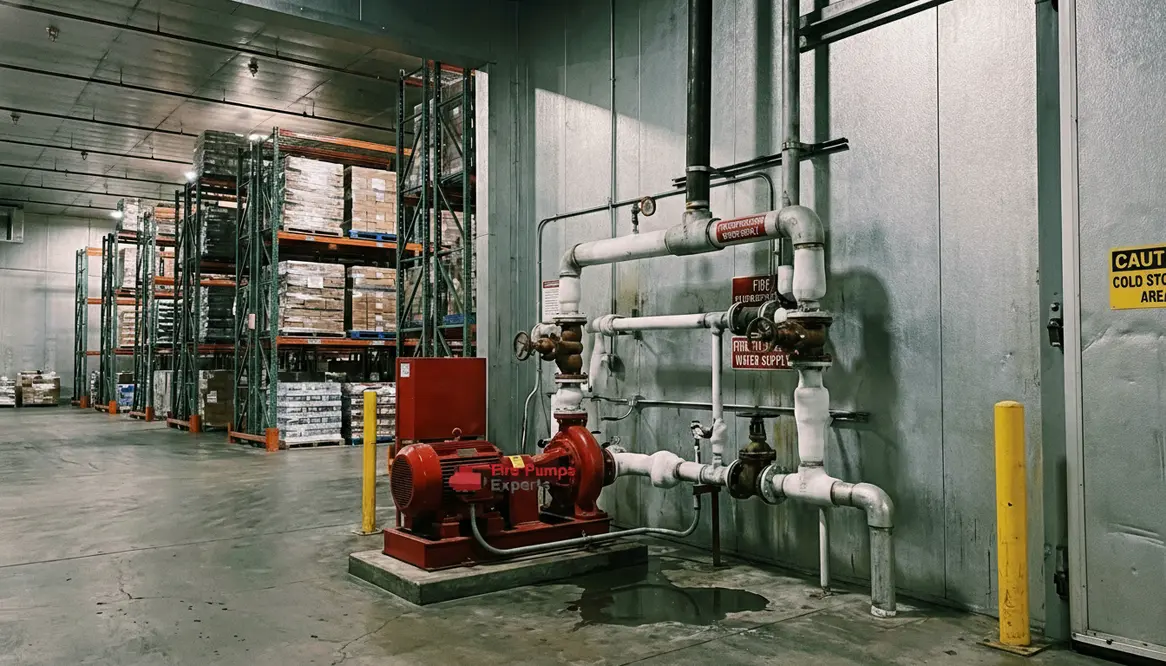
Los Angeles Cold Storage Fire Suppression Water Systems
Cold Storage, Hot Topic: Why Water Infrastructure Matters in Los Angeles Warehouses
I have spent a good part of my career walking through large commercial buildings where the air feels like a winter morning in Chicago but the loading dock sits under the California sun. Cold storage warehouses in Los Angeles operate in that strange middle ground. They preserve food, pharmaceuticals, and sensitive goods while the city around them hums with traffic and heat. And right at the center of safety inside these buildings sits one critical system: los angeles cold storage fire suppression water systems.
At first glance, fire protection in a freezer might sound like a plot twist from a disaster movie. Ice everywhere and still we worry about fire? Yet warehouses hold dense storage, packaging materials, machinery, and electrical systems. Consequently, a fire can grow fast if suppression water infrastructure fails. My job and the job of professionals in this field is to make sure that never happens.
So today I am going to walk you through how these systems actually work, why they matter for industrial facilities across Los Angeles, and what property owners should know before the alarms ever ring.
Why Cold Storage Warehouses Demand Specialized Fire Suppression Infrastructure
Cold storage buildings are not your typical warehouse. Temperatures drop well below freezing, ceilings stretch high, and rack storage climbs like a steel forest. Because of that environment, water systems behave differently than they would in a standard commercial building.
1. Freezing Temperatures vs. Wet Piping
First, freezing temperatures threaten pipes and valves. Water expands when it freezes. Anyone who has left a soda can in the freezer knows the outcome. In a fire protection system, that expansion can rupture piping and disable sprinklers before an emergency even begins.
2. Vertical Fire Paths in Rack Storage
Second, rack storage creates vertical fire paths. Flames can travel upward quickly between tightly packed goods. Therefore suppression water must reach the seat of the fire fast and with enough pressure to penetrate stacked inventory.
3. Massive Floorplates and Long Runs
Third, cold storage facilities often cover massive square footage. Many Los Angeles distribution hubs span hundreds of thousands of square feet. As a result, water infrastructure must maintain pressure across long pipe runs while still delivering reliable flow to remote sprinkler heads.
Because of these challenges, engineers design systems that combine dry piping, high capacity fire pumps, and specialized sprinkler heads rated for low temperature environments. When everything works together, the system responds quickly and keeps the fire contained before it spreads through the facility.
How Los Angeles Cold Storage Fire Suppression Water Systems Are Engineered for Reliability
I like to think of a suppression system as a silent orchestra. Every component has a role, and when the alarm sounds, the performance begins instantly.
In Los Angeles cold storage fire suppression water systems, reliability starts with the water supply itself. Municipal water lines rarely provide enough pressure for massive industrial warehouses. Therefore engineers typically integrate dedicated fire pumps that boost water flow to meet design demands.
These pumps are not small machines tucked into a closet. They are serious pieces of equipment designed for commercial and industrial facilities. Diesel or electric driven units move large volumes of water with the consistency of a freight train.
Meanwhile, piping networks run through refrigerated areas using dry pipe or preaction configurations. Instead of sitting full of water, these pipes remain filled with pressurized air. When a sprinkler activates, the air releases first and water follows. This design prevents freezing inside the system.
Key Design Factors Engineers Evaluate
- Ceiling height and rack storage layout
- Commodity type and packaging materials
- Water demand for high density storage
- Response time of sprinkler heads
Every decision affects how quickly water reaches the fire. In facilities storing high value goods, seconds matter. Not minutes. Seconds.
What Infrastructure Components Keep the System Running
When I step into a mechanical room of a major cold storage warehouse, I usually see a lineup of equipment that looks a bit like a spaceship engine bay. Okay maybe that is my inner sci fi fan talking. But the complexity is real.
Core Water Supply Components
- Industrial fire pumps
- Large diameter supply piping
- Backflow prevention assemblies
- Dedicated fire water storage tanks
Distribution and Control Systems
- Dry pipe valve assemblies
- Preaction control panels
- Zone control valves
- Pressure monitoring devices
Together these components support the full operation of los angeles cold storage fire suppression water systems. The pumps create pressure. The piping carries water throughout the facility. The valves control flow. And the detection systems trigger release when heat rises.
However, infrastructure alone is not enough. Routine inspection and testing keep these systems dependable. Pumps must start instantly. Valves must open fully. Pressure must stay within design limits. Otherwise the system becomes little more than expensive plumbing.
And trust me, when a warehouse stores millions of dollars in goods, “expensive plumbing” is not a comforting phrase.
How Warehouse Layout Influences Fire Suppression Performance
Designing suppression water infrastructure is not just about pumps and pipes. The layout of the warehouse itself shapes how fire protection behaves.
Rack Heights, Insulation, and Transitional Zones
For example, rack storage height determines sprinkler spacing and water density. High piled storage requires greater discharge rates to cool burning materials quickly. Consequently engineers must ensure the pump system delivers enough pressure across the entire network.
Then there is insulation and building envelope design. Cold storage facilities use thick insulated panels that help maintain internal temperatures. While that insulation protects products, it can also trap heat during a fire. Because of that, suppression water must act quickly before temperatures escalate inside the enclosed space.
Loading docks create another challenge. They bring outside air, forklifts, and equipment movement into the building. Therefore suppression zones must account for transitional spaces where temperatures shift between refrigerated and ambient conditions.
All of this planning ensures that los angeles cold storage fire suppression water systems respond effectively no matter where an incident begins inside the facility.
What Should Warehouse Owners Ask About Fire Suppression Water Systems?
I get this question often from property managers and operations leaders. Usually it comes during a walkthrough while someone points at a large pump and says something like, “So… this thing works, right?”
The short answer should always be yes. But smart facility owners dig deeper.
High‑Value Questions to Protect High‑Value Inventory
- Does the pump system meet current fire flow requirements for rack storage?
- Is the municipal water supply sufficient or does the facility rely on storage tanks?
- How often are flow tests and inspections performed?
- Are dry pipe systems properly maintained to avoid freezing or corrosion?
By asking these questions early, owners protect both the building and the operations inside it. Moreover, they avoid costly shutdowns or insurance complications later.
And frankly, prevention is a lot less stressful than explaining to corporate why the freezer warehouse suddenly turned into a sauna.
If you are evaluating upgrades to los angeles cold storage fire suppression water systems, it is worth understanding how pump design standards like NFPA 20 fire pump requirements influence reliability, testing, and long‑term performance.
FAQ: Cold Storage Fire Suppression Water Systems
Owners and operators across Los Angeles ask a consistent set of questions about how los angeles cold storage fire suppression water systems should be configured and maintained. Here are clear answers to the ones that come up most often.
Conclusion
Cold storage facilities in Los Angeles operate at a massive industrial scale. With the right suppression water infrastructure, they stay safe even when risk appears. If you manage or own a commercial cold storage property, now is the time to evaluate system performance, pump capacity, and water supply reliability. The experts at firepumps.org focus exclusively on large facilities and complex systems. Reach out today and make sure your protection works long before it is ever needed.