Los Angeles Fire Pump Requirements for Buildings
Practical guidance from the mechanical room floor – what Los Angeles fire pump requirements really mean for your building, your budget, and your peace of mind.
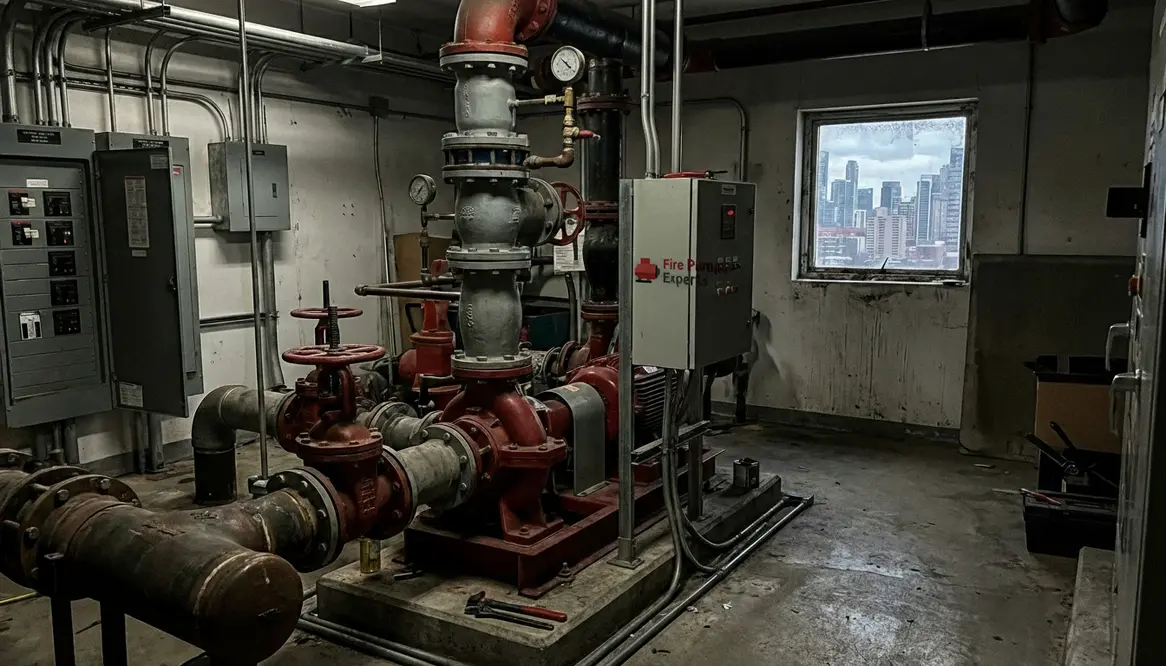
I have spent years walking through mechanical rooms that most people never see, listening to the low hum of equipment that quietly stands between order and chaos. And in Los Angeles, that quiet guardian often takes the form of a fire pump. Understanding Los Angeles fire pump requirements is not just a matter of code compliance. It is about protecting lives, assets, and the long term resilience of commercial and industrial properties. So, let us step into this world together and make sense of what can otherwise feel like a dense rulebook written in a language only engineers and inspectors speak.
In a city shaped by earthquakes, high rises, and tight property lines, the difference between “installed” and “truly ready” can decide how a bad day ends. This guide walks through how those expectations translate into real design decisions, inspections, and long term maintenance for your fire pump system.
Understanding Los Angeles Fire Pump Requirements for Commercial Buildings
First, let me be clear. Los Angeles does not treat fire protection as an afterthought. The city enforces strict standards shaped by seismic risks, dense urban layouts, and high value properties. As a result, fire pumps must meet both California Fire Code and local amendments.
In practice, this means your system must deliver reliable water pressure even when municipal supply falls short. More importantly, it must perform under stress. Think of it like casting Tom Hanks in a survival movie. You want something dependable when things go sideways.
Additionally, the fire department expects proper sizing, dedicated power sources, and accessible installation. Inspectors do not just glance at equipment. They evaluate performance, redundancy, and documentation.
How Los Angeles fire pump requirements shape real projects
On paper, the rules look clinical: minimum pressures, flow rates, and reliability criteria. On the ground, they translate into design choices like pump type, room location, elevation changes, and how your system will behave when the city water pressure drops at the worst possible moment. When you treat those requirements as part of your project’s core infrastructure, everything else runs smoother.
What Triggers a Fire Pump Requirement in Los Angeles?
I get this question a lot. Not every building needs a fire pump, but many commercial and industrial facilities do.
Generally, a pump becomes necessary when available water pressure cannot meet sprinkler system demand. However, that is only the beginning. High rise buildings, large warehouses, and facilities with specialized hazards often require boosted pressure regardless of municipal supply.
Moreover, if your property includes multiple floors, underground levels, or extensive square footage, the system must maintain consistent flow across all areas. That is where a fire pump earns its keep.
And yes, sometimes the requirement feels like overkill. Until you imagine trying to fight a fire on the twentieth floor with a garden hose. Suddenly, the logic clicks.
Typical triggers for Los Angeles fire pump requirements
- Insufficient city water pressure at the most remote or highest sprinkler heads
- High rise classifications where static and residual pressures are not enough
- Large footprint warehouses or campuses with long pipe runs and friction losses
- Underground or below grade levels requiring reliable pressure at depth
- Special hazards with higher density sprinkler demands than standard office space
Designing Systems That Meet Los Angeles Fire Pump Requirements
Design is where compliance either succeeds or quietly unravels. I have seen beautifully engineered systems fail simply because one detail was overlooked.
To meet Los Angeles fire pump requirements, engineers must account for:
- Hydraulic demand calculations that reflect real world scenarios
- Seismic bracing to keep systems intact during earthquakes
- Reliable power sources, often including backup generators
- Controller compliance aligned with NFPA standards
Furthermore, placement matters. Fire pumps must sit in dedicated rooms with proper ventilation and access. Inspectors do not enjoy playing hide and seek, and neither will your maintenance team.
At this stage, collaboration is key. Engineers, contractors, and property managers must stay aligned. Otherwise, small missteps can snowball into costly redesigns.
What I always prioritize
- Clear documentation from day one
- Coordination with fire department approvals
- Future maintenance access
What often gets overlooked
- Long term testing requirements
- Backup power reliability
- Ease of component replacement
Linking design to long term performance
A pump that barely passes its initial test is going to struggle years later. When you design with inspections, maintenance, and realistic operations in mind, Los Angeles fire pump requirements stop feeling like a hurdle and start looking like a checklist for long term reliability.
Installation and Inspection Realities in Los Angeles
Now we get to the part where theory meets reality. Installation is not just about putting equipment in place. It is about proving that everything works exactly as intended.
Inspectors in Los Angeles take this seriously. They will witness acceptance testing, verify flow rates, and review system responses under simulated conditions. In other words, your fire pump must perform like it is opening night on Broadway. No missed cues.
Additionally, documentation must be airtight. Plans, permits, and test reports should align perfectly. Even a small discrepancy can delay approvals.
And here is a truth that might sting a little. Cutting corners during installation almost always costs more later. I have seen projects delayed for weeks because of avoidable mistakes.
What inspectors really look for
- Documented calculations that justify the selected pump
- Clear separation of the fire pump room from other utilities
- Safe and labeled pathways to valves, controllers, and gauges
- Accurate, current test results showing required flows and pressures
- Evidence that seismic, electrical, and plumbing trades coordinated their work
Maintenance Strategies That Keep Systems Compliant
Once your system is installed, the job is not over. In fact, this is where consistency matters most.
Fire pumps require regular testing, typically weekly or monthly depending on system type. These tests confirm that the pump starts correctly, maintains pressure, and responds without hesitation.
Moreover, annual inspections dive deeper. Technicians evaluate wear, electrical components, and overall system integrity.
I like to think of maintenance as going to the gym. Skip a few sessions, and everything still looks fine. Skip too many, and suddenly nothing works the way it should.
For commercial and industrial properties, staying proactive is not optional. It is essential for compliance and operational continuity.
Translating Los Angeles fire pump requirements into a maintenance plan
- Schedule weekly or monthly churn tests and log the results consistently
- Plan annual full flow tests with qualified professionals
- Bundle inspections with other life safety systems when possible
- Review past reports for recurring deficiencies and address the root causes
Common Pitfalls I See in Commercial Properties
Over time, patterns emerge. Certain mistakes show up again and again.
- Undersized pumps that cannot meet actual demand
- Inadequate power backup leaving systems vulnerable
- Poor record keeping during inspections
- Delayed maintenance that leads to system failure
However, each of these issues is avoidable with proper planning and oversight. The key is treating fire protection as a core system, not a secondary expense.
Avoiding costly rework
When you understand how Los Angeles fire pump requirements influence design, inspections, and maintenance, you can spot red flags early: suspiciously low bid prices, missing test data, or equipment choices that look good in a brochure but not in your riser room.
FAQ: Los Angeles Fire Pump Requirements
Do all commercial buildings need a fire pump?
No. A pump is required when water pressure cannot meet system demand or building conditions require boosted pressure.
How often should fire pumps be tested?
Most systems require weekly or monthly testing, plus annual inspections.
What codes apply in Los Angeles?
California Fire Code, NFPA standards, and local Los Angeles amendments all apply.
Can I install a fire pump without approval?
No. Plans must be reviewed and approved before installation begins.
What happens if my system fails inspection?
You must correct deficiencies and schedule a reinspection before approval.
When to bring in specialists
If your building is approaching a major renovation, change of use, or expansion, it is worth talking with a fire protection contractor that lives and breathes Los Angeles fire pump requirements. Teams like Kord Fire’s fire pump specialists can help you evaluate your current system, plan upgrades, and keep your documentation in step with the code.
Final Thoughts and Next Steps
If you manage or own a commercial or industrial property, do not treat fire protection as background noise. Take action now. Review your system, confirm compliance, and partner with professionals who understand the stakes. The right fire pump setup protects more than your building. It protects your future operations. Reach out, ask questions, and make sure your system is ready when it matters most. Because when it comes to fire safety, ready is the only acceptable state.