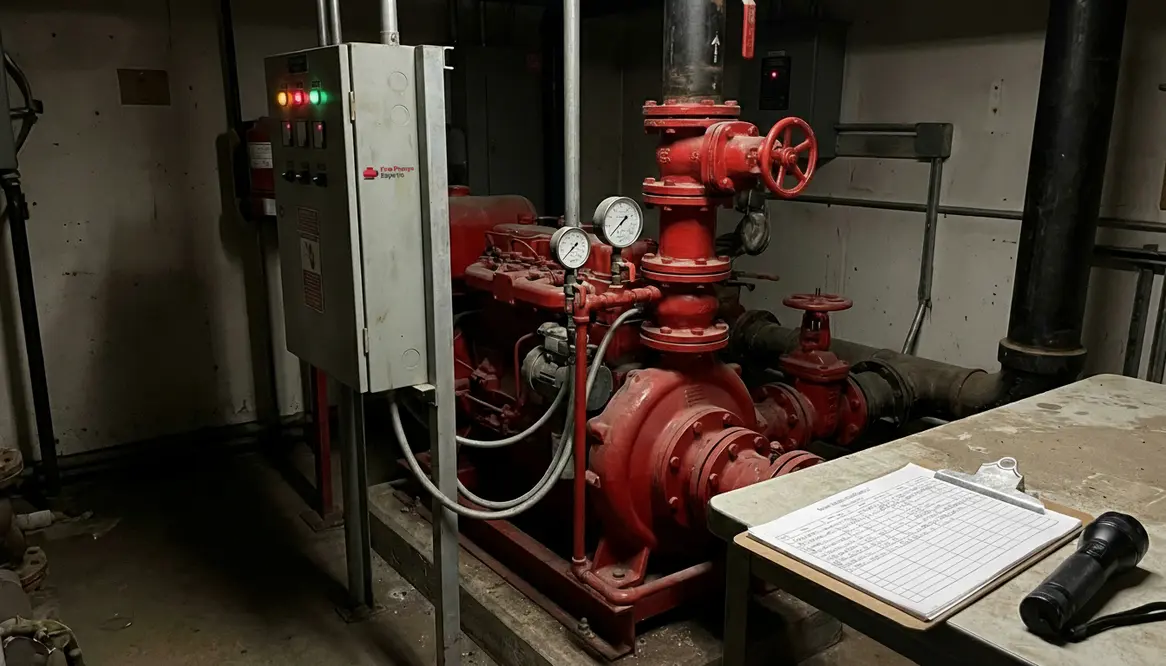
Chicago Fire Pump Regulations Compliance Guide
I have spent enough time around mechanical rooms to know this truth: nothing gets ignored faster than equipment that only matters in an emergency. That is, until it matters a lot. Chicago fire pump regulations exist for that exact reason. They are not just paperwork or red tape. They are the quiet rules standing between a controlled incident and a headline. If you own or manage a commercial or industrial facility in Chicago, these standards are not optional background noise. They are your first line of defense, and yes, they expect your attention.
Why Chicago fire pump regulations feel overwhelming
On paper, they look like a stack of acronyms, code sections, and testing charts. In practice, they come down to one simple expectation: when the alarm goes off, your fire pump must start, run, and keep running like it has something to prove. The challenge is that this performance depends on everything you do long before that day ever arrives.
The real goal of compliance
The point is not to impress an inspector for thirty minutes a year. The point is to build a system and a routine that quietly does what it is supposed to do, year after year. Chicago fire pump regulations give you the framework. Your operations, your maintenance partners, and your culture of accountability fill in the rest.
Understanding Chicago Fire Pump Regulations Without the Headache
Let me simplify it. Chicago fire pump regulations are built around reliability, testing, and readiness. In other words, your system must work every single time without hesitation. The city aligns closely with NFPA standards, but it adds its own local flavor, like deep dish pizza but for compliance.
First, your pump must be properly installed and approved. Then, it must be tested regularly. Weekly churn tests and annual flow tests are not suggestions. They are required. Moreover, documentation matters just as much as performance. If it is not recorded, as far as inspectors are concerned, it did not happen.
And yes, inspectors will notice. They have seen everything. They can spot a neglected fire pump room faster than a detective in a crime drama spots a bad alibi.
What Chicago fire pump regulations really ask of you
- Design and installation that meet both NFPA and local Chicago requirements.
- Routine testing that follows the calendar, not your memory.
- Maintenance that addresses small problems before they become expensive emergencies.
- Accessible, safe, and properly conditioned fire pump rooms.
- Accurate records that tell the story of your system’s health over time.
What Should Facility Owners Actually Pay Attention To
I like to break this down into what truly moves the needle. Not every detail carries equal weight, but ignoring the wrong one can cost you.
Key areas I always watch
- Testing frequency: Weekly and annual tests must happen on schedule.
- Controller condition: Your fire pump controller is the brain. If it fails, everything else follows.
- Power supply reliability: Backup power is not a luxury. It is essential.
- Room conditions: Heat, ventilation, and access all matter more than people expect.
- Documentation: Logs should be clean, complete, and easy to verify.
Additionally, consistency is your best friend. A perfectly maintained system once a year will still fail you if ignored the other 51 weeks.
The most successful facilities treat Chicago fire pump regulations as the baseline, then build internal standards that are even tighter. That way, inspections feel routine, not like an annual surprise quiz.
Why Fire Pump Compliance Fails More Than You Think
Here is the uncomfortable truth. Most compliance failures are not dramatic. They are small, quiet oversights that stack up over time. A missed test here. A skipped inspection there. Before long, your system becomes a liability.
However, human nature plays a role. Fire pumps sit idle most of the time, so they fade into the background. Out of sight, out of mind. It is the same reason people forget leg day at the gym. Except this time, the consequences are far less forgiving.
The slow slide out of compliance
It rarely starts with a catastrophic failure. It usually starts when the person who handled weekly testing leaves and no one is clearly assigned to take over. Or when construction work in the building quietly compromises ventilation in the fire pump room and nobody circles back to check temperatures.
When yesterday’s knowledge becomes today’s problem
Another common issue is relying on outdated knowledge. Codes evolve. Chicago fire pump regulations are updated, clarified, and enforced with increasing precision. If your approach has not changed in years, chances are it is already behind.
The fix is not panic; it is structure. Clear schedules, written procedures, and professional partners keep your system from slipping into that gray zone between “technically installed” and “actually reliable.”
How Do I Keep My Fire Pump System Inspection Ready
Short answer: treat every week like inspection week.
That means building a routine that does not depend on memory or last minute panic. I recommend assigning responsibility clearly. Someone should own the process, not just “be aware” of it. Accountability makes a big difference.
Also, invest in professional testing and maintenance. Commercial and industrial systems are complex. Trying to cut corners here is like trying to fix a jet engine with a YouTube tutorial. Entertaining, maybe. Effective, not so much.
Finally, keep your records organized. Digital logs help, but they must be accurate. Inspectors appreciate clarity, and frankly, so will you when questions come up.
A simple routine to stay ahead of inspections
- Assign a primary and backup person responsible for weekly tests.
- Use a consistent checklist for every test and inspection.
- Store records in one place, with clear dates and signatures.
- Schedule annual flow tests and major maintenance well before due dates.
- Bring in qualified experts for deeper troubleshooting instead of improvising.
If you want outside support that already lives and breathes these routines, working with a dedicated fire pump service provider can turn Chicago fire pump regulations from a headache into a predictable, manageable part of your operations.
Chicago Fire Pump Regulations and Long Term Risk Management
Compliance is not just about passing inspections. It is about reducing risk across your entire operation. A properly maintained fire pump protects property, supports life safety systems, and keeps your business running when it matters most.
On the other hand, neglect creates a ripple effect. Insurance complications, operational downtime, and potential liability all come into play. That is a steep price for something entirely preventable.
Proactive Approach
- Regular testing and maintenance
- Clear documentation
- Up to date knowledge of codes
- Reliable system performance
Reactive Approach
- Missed inspections
- Incomplete records
- Outdated practices
- Higher risk of failure
When you look at it side by side, the choice becomes obvious. One path offers control. The other invites chaos, and chaos is rarely a good business strategy.
Seen through a risk management lens, Chicago fire pump regulations are less about “checking a box” and more about protecting revenue, reputation, and people with a system that is quietly ready every single day.
FAQ: Chicago Fire Pump Rules Made Simple
How often should a fire pump be tested in Chicago?
Weekly churn tests and annual flow tests are required.
Do I need to keep records of every test?
Yes. Inspectors expect clear and complete documentation.
Who can perform fire pump maintenance?
Qualified professionals with experience in commercial and industrial systems.
What happens if my system fails inspection?
You may face fines, required repairs, and reinspection timelines.
Are backup power systems required?
Yes. Reliable secondary power is essential for compliance.
Final Thoughts That Actually Matter
If you manage a large facility, this is not the place to cut corners or hope for the best. Chicago fire pump regulations are clear, and they exist for a reason. Stay ahead of them, and your system will stand ready when it counts. Work with experts who understand commercial demands, keep your testing consistent, and treat compliance like a priority, not an afterthought. Because when the moment comes, there are no second takes.
In the end, your fire pump is either a silent asset or a hidden liability. Chicago fire pump regulations give you the map. Your choices, your partners, and your routines decide which one it becomes.