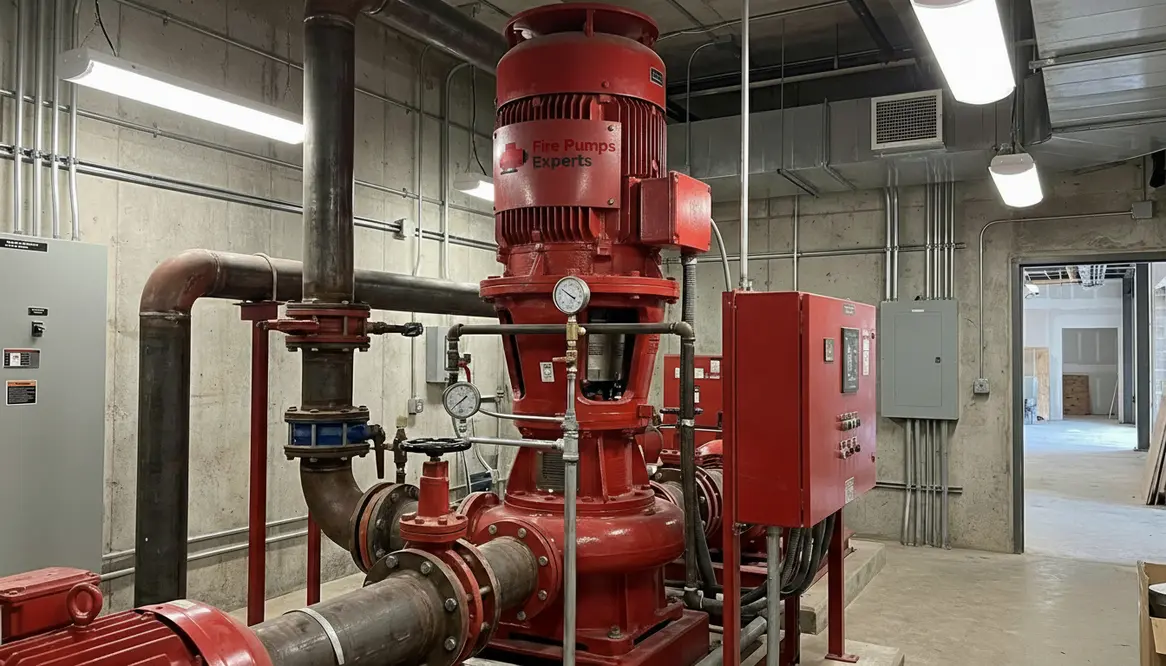
Mixed Use High Rise Fire Pumps for Expansion
Planning growth is exciting. Making sure your fire protection grows with it is non‑negotiable.
I have walked through enough mechanical rooms to know this truth: when a building grows, its fire protection system must grow with it. And yes, that includes mixed use high rise fire pumps, the quiet workhorses that sit patiently until the worst day arrives. In large commercial and industrial expansions, these systems are not just equipment. They are insurance policies made of steel, pressure, and planning. So, let’s take a calm, steady walk through what really matters when your building gets bigger and your fire protection needs to keep up. No panic. Just good decisions.
How do I evaluate fire pump capacity during a building expansion?
First, I look at demand. Always demand. When a facility expands, the water requirement rarely stays polite. It grows, sometimes dramatically. Additional square footage, higher occupancy loads, and new hazards all pull more water from the system.
So I start with updated hydraulic calculations. Then, I compare them to the current pump curve. If the existing pump cannot meet the new demand at required pressure, it is time for an upgrade or a parallel system.
Capacity checks that actually matter
- Updated hazard classification and occupancy
- Sprinkler and standpipe demand at the most remote point
- Available water supply versus peak system demand
- Pump curve alignment with new pressure needs
However, it is not always about replacing the pump. Sometimes, adding a second unit or reconfiguring the system provides a smarter solution. Think of it like adding another engine instead of overworking the one you already have. Even superheroes need backup.
Most importantly, I ensure compliance with current codes. Expansion often triggers newer standards, and those standards do not care about nostalgia.
Planning for system integration in large scale facilities
Now we get into the choreography. A new pump or upgraded system must integrate smoothly with what already exists. Otherwise, you end up with a system that behaves like a band where everyone plays a different song.
Control and pressure strategy
I focus on control systems, pressure zones, and redundancy. In high demand environments, especially those using vertical fire protection systems, coordination is everything.
Additionally, I review how the expanded system will interact with alarms, backup power, and monitoring. Because when something goes wrong, and it will at some point, the system must respond as one unified force.
Where mixed-use systems shine
And yes, this is where mixed use high rise fire pumps often come back into the conversation. These systems are designed to handle complex, multi level demands, which makes them a natural fit for expanding commercial towers and dense, layered occupancies that insist on packing offices, retail, residential, and parking into one vertical footprint.
When mixed-use high-rise fire pumps are planned correctly, they become the quiet conductor in the background, feeding standpipes, sprinklers, and special systems across very different risk profiles without losing their composure.
Space, access, and the reality of mechanical rooms
Let me say this plainly. Space is never as generous as the blueprint suggests.
When planning an expansion, I always evaluate whether the existing pump room can handle new equipment. Clearances, ventilation, and service access all matter. A fire pump that cannot be maintained easily is a liability waiting patiently.
Moreover, I consider how equipment will be brought in. If installing a new pump requires removing half a wall or performing a scene straight out of a heist movie, we need a better plan.
Practical layout checks
- Can technicians move around the pump safely?
- Is there realistic space for controllers, valves, and test headers?
- Does the room support ventilation and drainage requirements?
- Can replacement equipment actually fit through the doors and corridors?
So I work closely with design teams to ensure realistic layouts. Because in the real world, gravity, doorways, and human technicians all have opinions.
Power supply and reliability upgrades
Fire pumps are only as reliable as their power source. During expansions, I take a hard look at electrical capacity and backup systems.
If the facility adds load, the existing power infrastructure might not support a larger or additional pump. That leads to upgrades in generators, transfer switches, and feeders.
Meanwhile, redundancy becomes even more critical. In major commercial properties, downtime is not an option. I want systems that continue running even when one component fails.
When the lights go out
Because when the lights go out, the fire pump should not join them. That is not teamwork. That is betrayal.
- Verify generator capacity for new and existing fire pumps
- Confirm transfer switch ratings and selectivity
- Evaluate diesel versus electric reliability in your region
- Test under realistic emergency conditions, not just best-case scenarios
Comparing upgrade paths for fire pump systems
Option One: Upgrade Existing Pump
- Lower upfront cost
- Uses existing infrastructure
- May have limited future capacity
- Potential downtime during retrofit
Option Two: Add New Pump System
- Scales with expansion needs
- Improves redundancy
- Higher initial investment
- Better long term flexibility
I always weigh these options carefully. Short term savings can look attractive, but long term performance usually tells the real story. Mixed-use high-rise fire pumps often end up tipping the scales toward parallel systems, because once a tower starts stacking more occupancies, the value of redundancy and segmented zones becomes painfully obvious during both design reviews and actual emergencies.
Future proofing your fire protection strategy
Expansion rarely happens just once. Buildings evolve. Tenants change. Risks shift. So I design systems with the future in mind.
This means allowing room for additional capacity, flexible piping layouts, and scalable controls. It also means selecting equipment that can adapt without requiring a full system overhaul.
In many cases, modern vertical pump systems for large properties offer that flexibility. They are built to handle complex demands and future growth without constant reinvention.
Designing for the version of your building you have not met yet
- Leave room in the fire pump room for an additional unit or larger replacement
- Plan risers and zones that can be extended vertically without rework
- Choose controllers that can integrate with future monitoring platforms
- Document decisions clearly so the next team is not guessing in 10 years
And let’s be honest. Nobody wants to revisit the same mechanical upgrade every five years. Even if you enjoy construction meetings, there are limits.
FAQ: Fire Pump Considerations for Building Expansions
The most common questions tend to show up right when drawings are almost finished and someone notices the words “new level” or “new wing.” These answers belong much earlier in the conversation.
Conclusion
When a building expands, its fire protection system must rise to meet the challenge with quiet confidence and unwavering strength. I approach every project with precision, foresight, and a respect for what is at stake. Mixed-use high-rise fire pumps, like every other critical component, have to be chosen and arranged with the understanding that real people will rely on them on the worst possible day.
If you are planning a commercial or industrial expansion, now is the time to evaluate your system. Reach out, and let’s make sure your fire pump strategy is ready not just for today, but for everything that comes next. The goal is simple: a building that can grow, shift, and reinvent itself while the protection behind the walls remains steady, reliable, and strong enough to match its tallest ambitions.