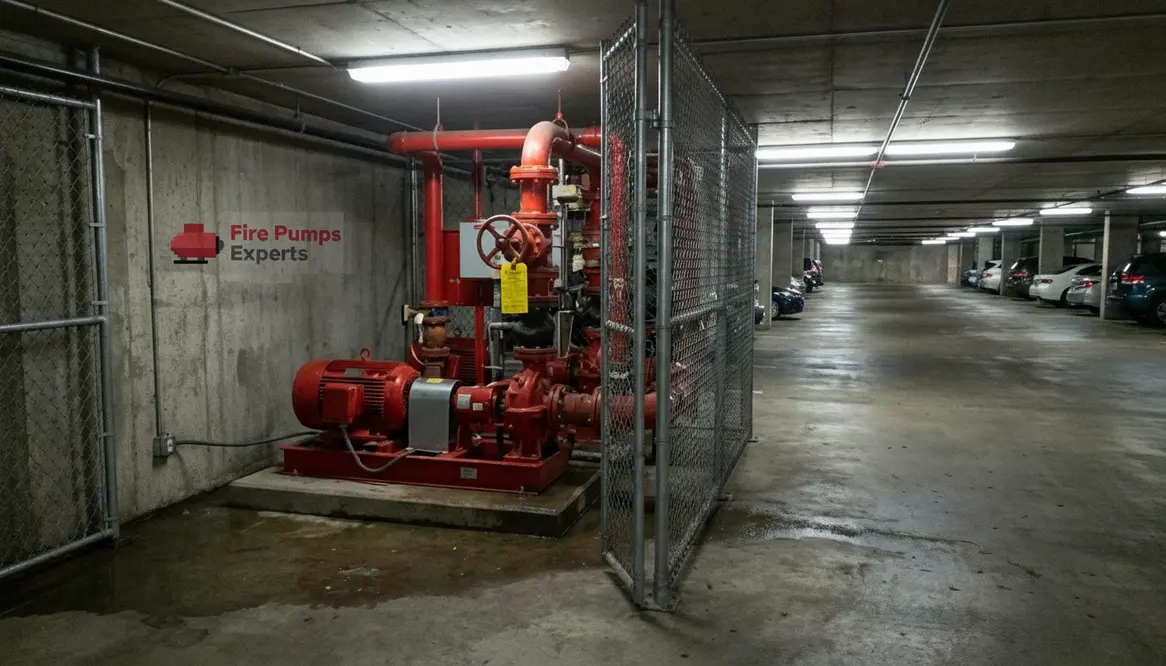
Parking Structure Fire Pump Systems Safety Guide
I have walked through more parking structures than I can count, and I can tell you this with calm certainty: fire safety is not a background detail. It is the quiet force that stands between routine and chaos. In multi level facilities, where vehicles stack like a game of urban Tetris, the presence of parking structure fire pump systems becomes essential. These systems do not just sit idle. They stand ready, ensuring water moves with purpose when every second matters. And while concrete may feel unshakable, fire has a way of testing confidence.
Why fire safety in parking structures demands serious attention
Parking facilities are not just storage spaces. They are dynamic environments filled with fuel, electrical systems, and constant movement. Because of this, risks evolve quickly. A single spark from a vehicle fault can escalate before anyone notices.
However, unlike office floors, parking levels often lack full time occupants. That means detection and suppression must work faster and smarter. I always remind clients that fire safety here is less about reaction and more about anticipation. If Batman had a garage like this, even he would want a backup plan.
Therefore, integrating layered protection is key. Detection systems, ventilation, and water delivery must all work together, not as isolated features, but as a unified response.
How do parking structure fire pump systems actually protect assets
I like to think of fire pump systems as the heartbeat of suppression infrastructure. Without them, water may exist in pipes, but it will not arrive with enough force to matter. These systems ensure consistent pressure across multiple levels, even at the highest or deepest points.
Moreover, in large commercial properties, municipal water supply alone often falls short. That is where dedicated fire pump solutions step in. They boost performance and maintain reliability under stress.
In practice, I have seen how properly designed fire pump setups prevent a localized incident from becoming a structural disaster. They do not just protect vehicles. They safeguard the integrity of the entire building above.
Design strategies that make multi level garages safer
Good design is not flashy. It is deliberate. And in parking structures, it quietly saves the day.
Fire detection placement
I ensure sensors are positioned where heat and smoke naturally travel. Ceiling placement alone is not enough. Ramps and corners need attention too.
Ventilation control
Proper airflow helps remove smoke and heat. This improves visibility and reduces structural stress during a fire event.
Compartmentalization
Breaking large areas into zones slows fire spread. It buys valuable time for response teams.
Water distribution planning
This is where fire pump systems for parking facilities truly shine. Balanced pressure ensures every level receives adequate coverage.
Additionally, I always stress the importance of integrating these elements early in design. Retrofitting later is possible, but it is never as efficient or cost effective.
Common risks I see in commercial parking facilities
Even well built structures can fall short when maintenance or planning slips. Over time, small oversights grow into serious vulnerabilities.
For instance, I often find blocked sprinkler heads or poorly maintained valves. These issues seem minor until they are not. Furthermore, electrical vehicle charging stations introduce new fire behaviors that older systems were not designed to handle.
Then there is human behavior. Drivers leave engines running, store flammable items, or ignore signage. You cannot control every action, but you can design systems that compensate for unpredictability.
And yes, I have seen someone try to fix their car with a power tool in a tight parking bay. That is a scene no fire safety plan wants to meet unprepared.
Maintaining parking structure fire pump systems for long term reliability
I always say a system is only as strong as its last inspection. Fire pump systems demand routine testing, not occasional check ins.
Regular flow testing ensures the system delivers the pressure it promises. Additionally, controllers, valves, and backup power sources must all be verified. A pump that fails during an emergency is not just a mechanical issue. It is a liability.
Because of this, I recommend scheduled maintenance programs tailored to high demand environments like commercial garages. These are not quiet office basements. They are active, high exposure zones.
And let me be clear, skipping maintenance to save money is like skipping oil changes on a race car. It works right up until it does not.
What property managers should prioritize today
If I had to narrow it down, I would focus on three things immediately. First, confirm your fire suppression infrastructure meets current codes. Second, verify your fire pump system is tested and documented. Third, train staff to recognize early warning signs.
Additionally, coordination with local fire departments strengthens response efficiency. When responders understand the layout, they act faster.
In my experience, proactive planning always outperforms reactive scrambling. It is not glamorous work, but it is the kind that keeps headlines away.
FAQ
How often should fire pump systems be tested
They should be inspected weekly and tested regularly according to code requirements.
Are parking garages high fire risk
Yes, due to fuel sources, electrical systems, and limited supervision.
Can existing structures upgrade fire safety systems
Yes, retrofitting is possible and often necessary for compliance and safety.
Do electric vehicles increase fire risk
They introduce different fire behaviors that require updated safety planning.
Conclusion
When I look at a multi level parking facility, I do not just see parked cars. I see a system that must perform under pressure without hesitation. Investing in reliable fire protection, including well maintained fire pump solutions and resilient parking structure fire pump systems, is not optional. It is essential. If you manage a commercial property, now is the time to evaluate your readiness, strengthen your systems, and ensure your structure stands prepared for whatever comes next.