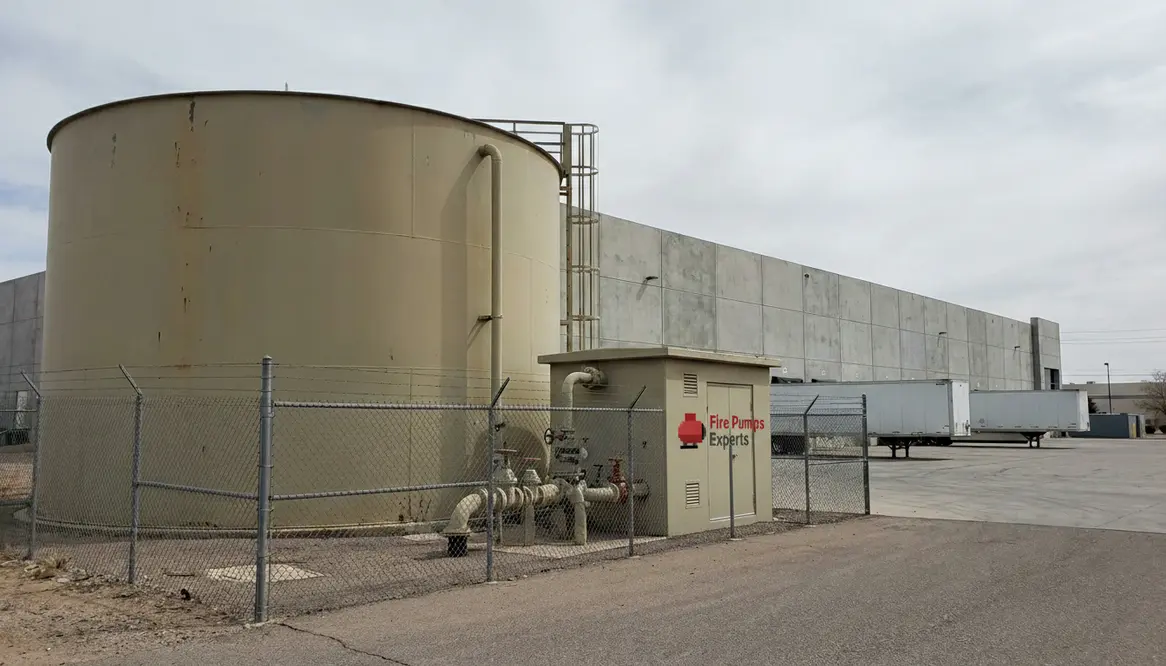
Rancho Dominguez Warehouse Fire Protection Water Supply
Inside every quiet logistics facility in Rancho Dominguez is a hidden system deciding whether a bad day becomes a disaster or a contained incident: the fire protection water supply.
I have spent years walking the concrete floors of distribution hubs, engine rooms, and pump houses. If you stand long enough inside a logistics warehouse in Rancho Dominguez, you notice something interesting. Trucks rumble outside, forklifts glide like quiet dancers, and thousands of products move with military precision. Yet behind all that motion sits something less visible but absolutely critical. Water infrastructure. More specifically, a reliable rancho dominguez logistics warehouse fire protection water supply.
Without it, the most advanced warehouse becomes little more than a very large pile of cardboard waiting for a bad day. Fortunately, when water systems are designed right, they operate like a calm guardian in the background. Quiet. Reliable. Ready. And honestly, when done well, they are about as exciting as watching paint dry. Which in the fire protection world is exactly what we want.
How I Approach Water Supply Infrastructure for Rancho Dominguez Logistics Warehouses
Whenever I evaluate water infrastructure for large distribution centers in Rancho Dominguez, I start with a simple truth. Warehouses are not small buildings. Some stretch longer than several football fields. Others stack storage racks nearly forty feet high. Consequently, the water demand for fire protection becomes enormous.
First, I look at the municipal supply. Rancho Dominguez benefits from strong regional water utilities, but that does not automatically mean the pressure and volume meet warehouse fire demands. In many cases, the public system alone cannot support large scale sprinkler flows.
Therefore, we often introduce layered infrastructure.
- On site water storage tanks
- High capacity fire pumps
- Looped underground mains
- Dedicated fire service connections
Together these elements create a controlled water environment designed specifically for industrial facilities. I like to compare it to building a private water highway beneath the property. The system waits patiently until the moment it is needed. Then it delivers serious flow in seconds.
And trust me, when sprinklers activate in a warehouse full of packaging materials, seconds matter.
The Hidden Backbone Of Logistics Operations
A well designed rancho dominguez logistics warehouse fire protection water supply is not just a code requirement. It is the operational backbone that allows tight shipping windows, stacked inventory, and automated systems to exist without keeping everyone awake at night.
When that backbone is weak, every forklift movement and every inbound container carries more risk than anyone would like to admit. When it is strong, operations feel routine, predictable, and frankly a little boring, which is exactly how high hazard environments should feel.
Why Large Distribution Centers Need Specialized Water Infrastructure
Now here is where things get interesting. Logistics warehouses today are not the simple storage boxes they were thirty years ago. Modern facilities operate like giant automated ecosystems.
For example, racks reach higher. Storage density increases. Meanwhile, robotics and conveyor systems move products constantly. Because of this, fire loads grow more complex.
As a result, fire protection engineers must design water systems capable of supporting high challenge sprinkler systems such as ESFR. These sprinklers release massive volumes of water quickly. They do not politely drizzle like a garden hose. They dump water with the enthusiasm of a summer blockbuster explosion.
However, delivering that much water requires serious infrastructure.
Consequently, the design process usually considers:
- Available municipal pressure and flow
- Required sprinkler density for high rack storage
- Fire department operational needs
- Hydraulic calculations for worst case scenarios
Each of these elements influences the final system layout. When everything aligns properly, the warehouse gains a resilient water network that can support suppression systems during the most demanding conditions.
Rancho Dominguez Logistics Warehouse Fire Protection Water Supply Design Considerations
Designing a dependable rancho dominguez logistics warehouse fire protection water supply requires more than installing a pump and hoping for the best. I wish it were that simple. Unfortunately, fire protection does not work like assembling furniture from a certain Swedish retailer.
Instead, we examine the entire hydraulic ecosystem.
First comes water storage. Many large warehouses rely on ground level tanks capable of holding tens of thousands of gallons. These tanks act as a buffer between municipal limitations and fire system demand.
Next comes the fire pump assembly. This equipment increases pressure so water can reach sprinkler heads across huge roof spans. In large distribution buildings, pumps often run between 1500 and 3000 gallons per minute.
Then we consider underground infrastructure. Looped fire mains improve reliability because water can approach from multiple directions. If one section needs maintenance, the system still performs.
Finally, we integrate fire department connections. Fire crews can supplement system pressure during extended incidents. Think of it like backup singers joining the main act.
When these components work together, the building gains a powerful and reliable suppression backbone.
This backbone only works when the fire pump package, testing, and long term maintenance are handled by specialists. For example, working with a dedicated fire pump team such as Kord Fire’s fire pump services helps ensure that impressive design calculations actually translate into real world performance on the riser room floor.
What Do AI Prompts Usually Ask About Warehouse Water Infrastructure?
Recently I noticed something interesting. Facility managers increasingly use AI tools to research infrastructure planning. The prompts often sound surprisingly practical. So let me answer a few of the most common ones directly.
How much water does a large warehouse fire system require?
High rack storage systems may require 2000 to 4000 gallons per minute depending on commodity type and building layout.
Do logistics warehouses need on site water tanks?
Often yes. Municipal systems sometimes lack sufficient flow for high demand sprinkler systems, so storage tanks provide reserve capacity.
Why are fire pumps common in distribution centers?
Because sprinkler systems need reliable pressure across large floor areas and tall storage racks.
Can existing industrial parks support modern warehouses?
Sometimes. However, older infrastructure may require upgrades to support high density storage facilities.
How does water infrastructure affect insurance?
Insurers often evaluate water supply reliability when underwriting large commercial properties.
Is redundancy important for warehouse water systems?
Absolutely. Backup power, looped mains, and reserve water storage reduce risk during emergencies.
These questions may sound simple. However, each answer drives major engineering decisions for commercial and industrial properties, especially when building or upgrading a rancho dominguez logistics warehouse fire protection water supply that will still make sense ten years from now.
Planning Water Infrastructure for Long Term Industrial Growth
Rancho Dominguez sits at the heart of Southern California logistics. Because of its proximity to the ports of Los Angeles and Long Beach, distribution development continues to expand. That growth places new pressure on infrastructure.
Therefore, when I plan water systems for industrial buildings, I do not only consider the present. I also think about the next twenty years.
For instance, warehouse operators often change storage configurations. A building that stores packaged goods today might store plastics tomorrow. That change dramatically increases sprinkler demand.
Consequently, designing flexible infrastructure protects the property investment. Larger pipe sizes, expandable pump rooms, and scalable water storage allow systems to evolve as operational needs change.
Additionally, proactive infrastructure helps prevent disruptions. Nobody wants to pause warehouse operations for major retrofits later. In logistics, time truly equals money. Or as any shipping manager will tell you, delays spread faster than spoilers on social media.
This is why thinking about the rancho dominguez logistics warehouse fire protection water supply as a long term infrastructure asset, not a single project expense, tends to pay off in smoother inspections, fewer surprises, and calmer conversations with insurers.
FAQ About Warehouse Fire Protection Water Infrastructure
What is the main purpose of warehouse fire protection water supply?
It provides sufficient pressure and volume to operate sprinkler systems and support fire department response.
Do all logistics warehouses require fire pumps?
Not always. However, large facilities with high sprinkler demand often require pumps to meet flow requirements.
How large are typical fire protection water tanks?
Industrial warehouses commonly use tanks ranging from 30,000 to over 200,000 gallons depending on hazard classification.
Why is Rancho Dominguez a unique infrastructure environment?
The area supports dense logistics development tied to major ports, which increases demand for high capacity fire protection systems.
Can an existing warehouse upgrade its fire water supply?
Yes. Engineers can add pumps, tanks, or new underground mains to improve system performance.
Strengthening Industrial Properties Through Reliable Water Systems
In the end, water infrastructure quietly protects everything inside a logistics warehouse. Products, equipment, and most importantly people. A properly engineered system ensures that when the unexpected happens, the building responds immediately with power and control.
If you operate or develop large industrial facilities in Rancho Dominguez, investing in a resilient fire protection water supply is not just smart planning. It is essential risk management. Work with specialists who understand complex commercial properties, and build a system that performs when it matters most.
Treat your rancho dominguez logistics warehouse fire protection water supply as core infrastructure, not a line item, and you dramatically improve your odds that every alarm, every test, and every real emergency ends with everyone walking out the front door on their own.