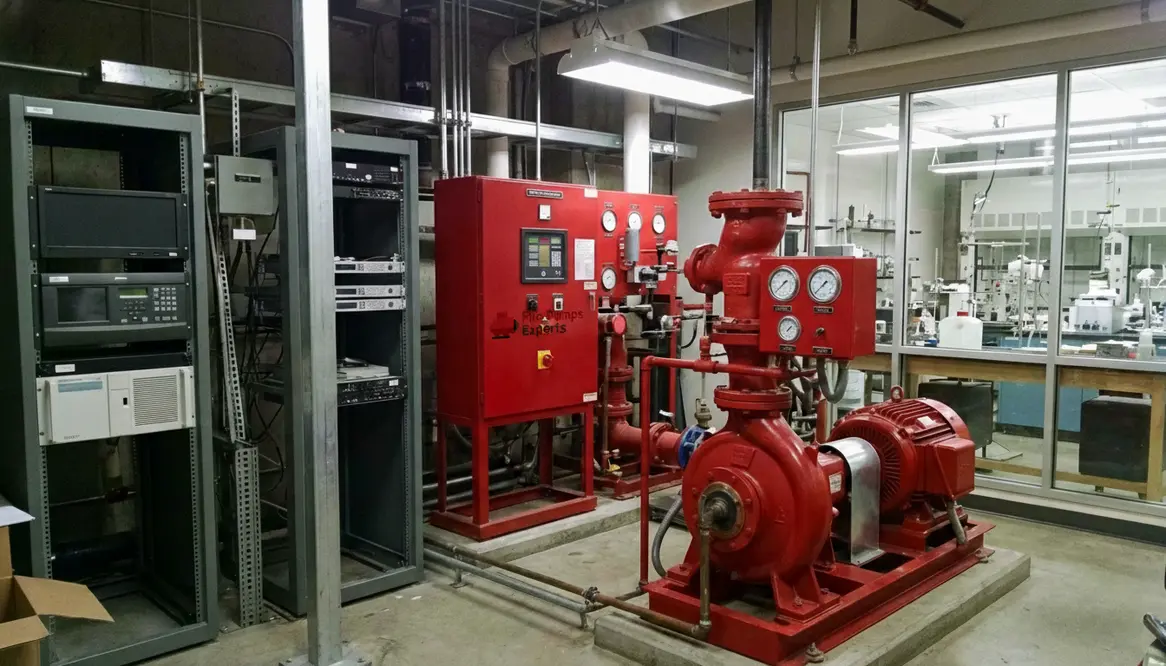
Research Facility Fire Pump Berkeley Systems Guide
I have spent years around critical infrastructure, and if there is one place where precision matters more than coffee on a Monday morning, it is a lab. When I talk about research facility fire pump Berkeley systems, I am not just talking about equipment. I am talking about protecting breakthroughs, expensive instrumentation, and the people behind both. In a city known for innovation, the fire protection system cannot afford to be an afterthought. It needs to be deliberate, resilient, and yes, a little smarter than your average pump setup.
Why Fire Pump Selection Matters in High Stakes Research Environments
Research facilities are not your typical commercial buildings. They house volatile chemicals, sensitive electronics, and sometimes experiments that probably should not meet an open flame. Because of this, I always approach pump selection with a sharper lens.
First, reliability is non negotiable. Unlike an office building where downtime is inconvenient, here it can mean lost data or hazardous exposure. Therefore, I prioritize systems that can maintain pressure without hesitation.
Second, water demand varies wildly. A biology lab does not behave like a semiconductor clean room. As a result, the fire suppression strategy must align with the exact hazard classification.
And finally, compliance is king. Berkeley enforces strict codes, and for good reason. Cutting corners here is like trying to speed run a science experiment. It rarely ends well.
How Do I Choose the Right Fire Pump for a Berkeley Research Facility
I start with flow and pressure requirements. It sounds simple, but this is where many projects stumble. I calculate peak demand based on sprinkler systems, standpipes, and any specialized suppression systems in place.
Then, I look at pump types. Electric pumps are common, especially in facilities with stable power. However, diesel pumps add a layer of independence. Think of them as the backup singer who can suddenly carry the whole show.
Next, I evaluate redundancy. In research environments, I often recommend multiple pumps or backup systems. Because if one fails, the system should not even blink.
Finally, I consider space and integration. Labs are already packed tighter than a comic convention. So, the system must fit seamlessly without disrupting operations.
Key Factors I Always Evaluate for Research Facility Fire Pump Berkeley Systems
When selecting a research facility fire pump Berkeley setup, I focus on details that others might overlook. These factors shape performance long after installation.
Hydraulic Demand
I ensure the system meets peak flow without strain.
Power Reliability
I assess whether the facility needs diesel backup.
System Integration
I align the pump with suppression technologies already in place.
Maintenance Access
I make sure technicians can actually reach the equipment.
Code Compliance
I verify alignment with California and local Berkeley standards.
Future Expansion
I plan for growth because research never stands still.
Each of these elements plays a role in long term reliability. Miss one, and the system becomes a liability instead of a safeguard.
Balancing Efficiency, Safety, and Cost Without Cutting Corners
Let me be clear. Cheap solutions in fire protection are expensive mistakes waiting to happen. That said, I still look for efficiency where it makes sense.
I often recommend variable speed pumps. They adjust output based on demand, which reduces energy use and wear. It is like cruise control for your fire system.
At the same time, I never sacrifice safety for savings. If a facility needs redundancy, it gets redundancy. If it needs higher capacity, I size up. Because the cost of failure in a research setting is not just financial. It is operational and sometimes reputational.
And yes, I have seen budgets try to argue otherwise. Budgets, much like toddlers, do not always understand consequences.
Common Mistakes I See in Research Facility Fire Pump Planning
Over the years, I have seen patterns. Some are predictable. Others make me pause and wonder if someone skipped a step.
- Undersizing the pump leads to inadequate pressure during emergencies.
- Ignoring backup power creates a single point of failure.
- Poor layout planning makes maintenance difficult and costly.
- Overlooking local codes results in delays and redesigns.
However, the most common issue is treating fire pumps as an afterthought. In a research facility, that approach is like installing a parachute after the jump. Timing matters.
FAQ About Fire Pumps in Research Facilities
Final Thoughts and Next Steps
Choosing the right fire pump is not just a technical task. It is a strategic decision that protects people, property, and progress. If you are planning or upgrading a system, I recommend working with specialists who understand complex commercial and industrial environments. Reach out, ask the right questions, and build a system that performs when it matters most. Because in fire protection, second chances are not part of the design.