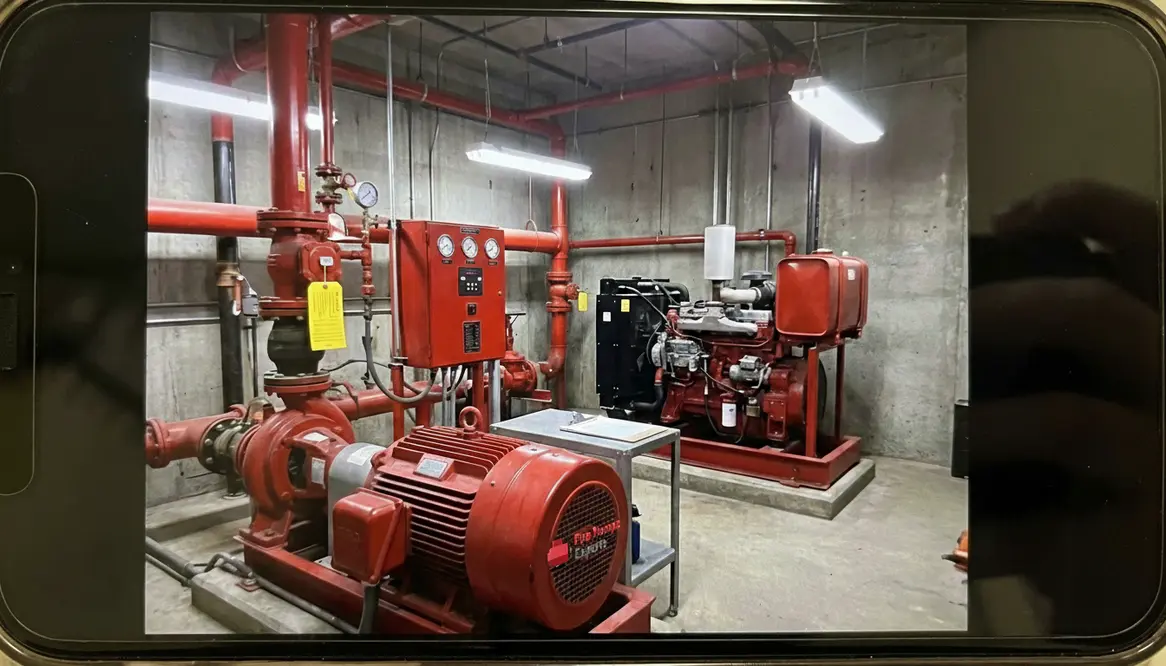
Retail Complex Fire Pump Systems Guide
I have spent years walking through massive retail spaces where the lights are bright, the shelves are full, and behind the scenes, something far more important hums quietly in the background. I am talking about retail complex fire pump systems. These systems do not ask for attention, yet they stand ready for the one moment that truly matters. In large commercial retail sites, fire protection is not just a box to check. It is a carefully engineered promise. And yes, while it may not sound as thrilling as an action movie finale, it is the part that keeps the building from becoming one.
What fire pump requirements apply to large retail properties?
When I evaluate a large retail facility, I begin with one simple truth. Water must move fast, and it must move with purpose. Fire pump requirements are driven by codes like NFPA 20 and local regulations, yet the real goal is performance under pressure.
First, I look at demand. Large retail buildings often have extensive sprinkler systems, long pipe runs, and high ceilings. Therefore, the pump must deliver enough flow and pressure to reach the most remote area. Additionally, redundancy matters. A single failure point is not acceptable when thousands of people walk through the doors each day.
Next, power supply comes into play. Electric pumps are common, but diesel backups often step in when reliability needs to reach another level. Because outages do not wait for convenient timing, I always plan for worst case scenarios.
And of course, testing is not optional. Weekly churn tests and annual flow tests ensure the system performs as designed. Think of it like a dress rehearsal, except the audience is safety itself.
Designing retail complex fire pump systems for scale and reliability
Designing retail complex fire pump systems is a bit like conducting an orchestra. Every component must play its part at the right moment. Otherwise, the performance falls apart.
I focus heavily on hydraulic calculations. These determine how water behaves across the entire system. Then, I match pump curves to actual building needs, not theoretical guesses. Oversizing may sound safe, yet it often leads to inefficiency and maintenance headaches.
Moreover, I pay attention to layout. Pump rooms must be accessible, protected, and compliant with ventilation and drainage standards. Because when maintenance crews need access, they should not feel like they are entering a maze designed by a mischievous architect.
Finally, integration matters. Fire alarm systems, sprinklers, and pumps must communicate seamlessly. When one activates, the others follow without hesitation. It is less like a suggestion and more like a well rehearsed reflex.
Key components that keep everything running smoothly
Every system relies on a few critical parts. Without them, even the best design becomes just a nice drawing on paper.
Core Equipment
- Fire pump unit sized to demand
- Controller for automatic operation
- Reliable power source with backup
- Jockey pump to maintain pressure
Support Systems
- Proper suction and discharge piping
- Test headers for performance checks
- Pressure relief valves
- Monitoring and alarm connections
Each piece plays a role, and together they create a system that responds instantly. It is not flashy, but it is incredibly effective.
How do I ensure compliance without overengineering?
I hear this question often, and the answer is balance. Codes set the baseline, yet smart engineering refines the approach. I avoid adding unnecessary complexity because complexity tends to fail in creative ways.
Instead, I align design with actual risk. For example, a multi level retail center with anchor stores demands higher capacity than a single level warehouse style retailer. Therefore, I tailor each solution rather than forcing a one size fits all model.
Additionally, I coordinate with local authorities early. This prevents surprises later, which are about as welcome as a fire drill during peak shopping hours.
Maintenance strategies that protect long term performance
Even the best system needs care. I always emphasize routine maintenance because neglect turns reliability into a guessing game.
Weekly inspections keep small issues from growing. Monthly checks verify components are responsive. Annual testing confirms the system can meet full demand. Together, these steps create confidence.
Moreover, documentation matters. I keep detailed records of every test and adjustment. Because when something changes, I want to know exactly what, when, and why.
And yes, sometimes it feels repetitive. But so does brushing your teeth, and we all agree that is worth it.
FAQ: Fire pump requirements for large retail facilities
Retail complex fire pump systems in large facilities raise a lot of recurring questions, especially around sizing, power sources, testing, and layout choices. The following answers come from years of watching what works in real buildings rather than only on drawings.
When retail complex fire pump systems are matched correctly to these requirements, the result is a quieter, more predictable life for everyone who depends on that building staying open and safe.
Conclusion: Building safety that stands ready
When I design and evaluate these systems, I am not just meeting requirements. I am building confidence into every corner of a commercial space. If you are planning or upgrading a facility, now is the time to act. Let us make sure your fire protection system performs exactly when it is needed. Reach out through a qualified fire protection resource such as https://firepumps.org, and together we will create a solution that protects your property, your people, and your peace of mind.