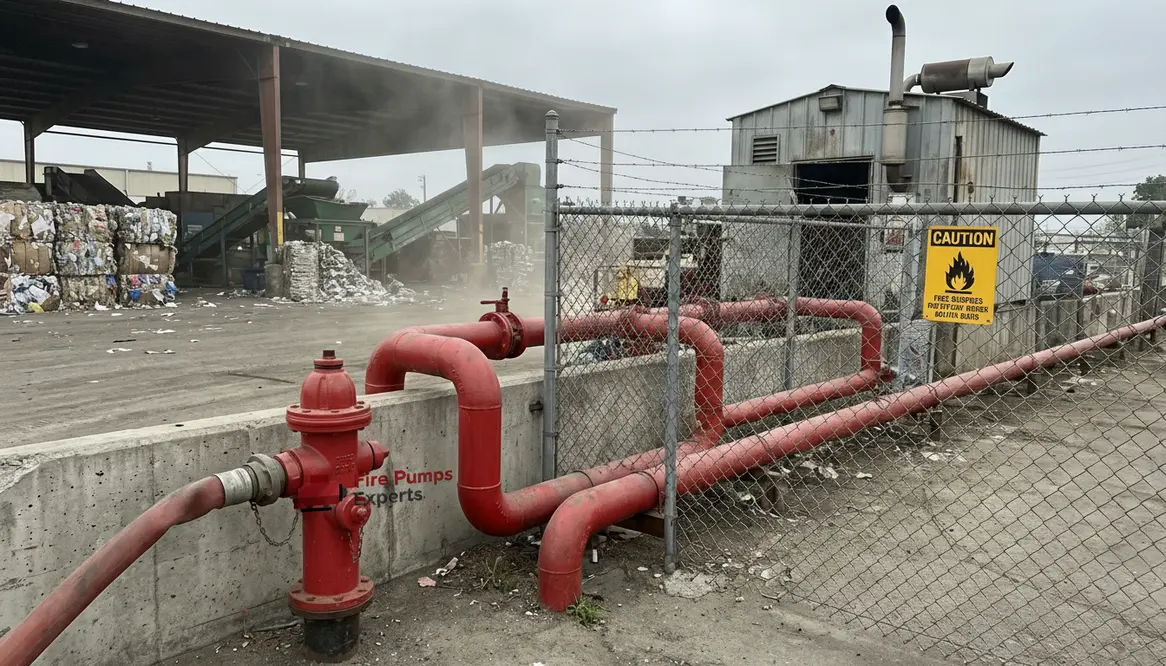
South Gate Recycling Facility Fire Suppression Water
I have spent years walking through industrial sites where the air hums with conveyors, grinders, and sorting systems. Recycling plants in South Gate are no exception. They process mountains of material every day, and with that scale comes a quiet but serious risk. Dust, heat, and friction love to start trouble. That is why south gate recycling facility fire suppression water infrastructure matters more than most people realize. Behind the scenes, it acts like the calm guardian of the operation. When designed right, it delivers water exactly where it must go, exactly when it must arrive. And trust me, when sparks show up uninvited, you want that guardian awake and ready.
Why industrial recycling plants demand stronger fire suppression water systems
I like to think of a recycling facility as the ultimate stress test for safety engineering. Metal shredders scream. Conveyor belts run all day. Dust floats through the air like tiny party crashers. And although that sounds dramatic, it creates a real fire environment that commercial buildings rarely see.
Because of that, standard sprinkler setups often fall short. Instead, facilities rely on robust water infrastructure designed specifically for industrial hazards. That includes high capacity supply lines, dedicated fire pumps, and storage that can support sustained suppression activity.
For example, shredding operations generate friction heat while sorting lines can trap combustible materials together. Therefore, suppression water systems must react quickly and sustain high flow. If they cannot, the facility risks a chain reaction of flames moving across belts and piles of recyclables.
At that point the fire behaves less like a candle and more like a Hollywood explosion scene. Think Michael Bay levels of chaos. Nobody wants that kind of special effects department running inside a processing plant.
So in South Gate industrial properties, the water supply network must be engineered with precision. The goal is simple. Deliver pressure, deliver volume, and do it without hesitation. That is where a well-designed south gate recycling facility fire suppression water infrastructure separates a resilient plant from a vulnerable one.
How the south gate recycling facility fire suppression water infrastructure actually works
When people imagine fire protection, they picture sprinklers on a ceiling. However, that image tells only half the story. The real muscle sits behind the walls and under the pavement.
In a properly designed industrial system, the water infrastructure works like a coordinated team. Each component plays a role in moving large volumes of water where it is needed.
Water sources that do not blink under pressure
First comes the water source. In many South Gate facilities, engineers combine municipal supply with dedicated storage tanks. This approach guarantees a reliable reserve even during heavy demand and becomes the backbone of any serious south gate recycling facility fire suppression water infrastructure.
Fire pumps as the driving force
Next comes the heart of the system. Fire pumps. These machines boost water pressure so suppression equipment can operate at full strength. Without them, water may trickle out when the system actually needs force.
Then the network distributes that pressure through heavy duty piping that feeds hydrants, monitors, deluge systems, and high density sprinklers.
From detection to quiet control
When all parts work together, the infrastructure reacts instantly. Sensors detect heat. Valves open. Pumps engage. Water flows with purpose.
And while it sounds dramatic, the goal is actually the opposite. Calm control. Quiet response. A problem handled before it becomes a headline.
What infrastructure should recycling facilities in South Gate install for reliable suppression?
I get this question a lot from property managers and plant operators. The answer depends on layout, materials processed, and building size. Still, certain elements show up in nearly every effective design.
Below is a simple breakdown of core infrastructure components used in large scale recycling operations.
Water supply systems
- Municipal feed connections
- On site storage tanks
- Emergency backup supply
Pressure and pumping
- Industrial fire pumps
- Diesel or electric drivers
- Pressure regulating valves
Distribution infrastructure
- Large diameter underground piping
- Interior risers
- Yard hydrant networks
Specialized suppression delivery
- Deluge protection zones
- High density sprinkler grids
- Water monitors for open processing areas
Together these components form a complete suppression backbone. More importantly, they give firefighters and plant teams the tools they need to control hazards quickly.
Because in industrial fire safety, speed is everything. A delay of even a minute can turn a manageable incident into a multi building disaster, especially when the south gate recycling facility fire suppression water infrastructure is undersized or poorly configured.
Design strategies that keep recycling facilities compliant and operational
Designing suppression infrastructure for recycling plants requires more than dropping a few pipes into a blueprint. Industrial environments change constantly. Equipment moves. Processing lines expand. Material flow evolves.
Therefore, a smart design anticipates growth and operational shifts.
Mapping fire loads and hazard zones
First, engineers analyze fire load patterns across the facility. Shredding zones, baling areas, and storage piles all behave differently under heat conditions. By mapping these zones, designers can position suppression coverage with precision.
Hydraulic performance that holds up on the worst day
Next, hydraulic calculations ensure the system can deliver required water flow even during peak demand. This step matters because municipal pressure alone rarely supports large scale industrial fire events.
After that, redundancy becomes the silent hero. Backup pumps, sectional valves, and multiple feed paths prevent single points of failure. In other words, if one component takes a day off, the system still shows up to work.
Designing for accessible maintenance
And finally, maintenance access remains a priority. Pumps, valves, and test headers must stay reachable. Otherwise inspections become difficult and reliability suffers.
It may sound technical. Yet the logic is simple. Build a system that works today, tomorrow, and five facility upgrades from now. That is the real promise of a thoughtful south gate recycling facility fire suppression water infrastructure strategy.
How the south gate recycling facility fire suppression water infrastructure supports emergency response
Even the best suppression system does not operate in isolation. It works as a partner with local fire departments and facility response teams.
In South Gate industrial zones, large yard hydrants connect directly to the suppression water network. Firefighters can tap into those lines immediately when they arrive. That access gives them powerful flow rates without relying solely on city hydrants.
Meanwhile, control valves allow responders to isolate sections of piping. This ability helps them direct water toward the most dangerous areas while protecting equipment in other zones.
Additionally, properly placed fire department connections allow external pump trucks to boost pressure if needed. Think of it as plugging a turbo charger into an already powerful engine.
The result is a coordinated response system where infrastructure and emergency crews operate as one unit.
And if that teamwork prevents even one major facility shutdown, the investment pays for itself many times over.
FAQ about fire suppression water infrastructure in recycling facilities
Below are common questions from industrial operators who are evaluating or upgrading their suppression systems.
Conclusion
Fire protection in recycling facilities is not just about compliance. It is about keeping operations running and people safe. A properly engineered suppression water system delivers pressure, reliability, and fast response when seconds matter most. If your South Gate facility processes, stores, or handles large volumes of recyclable materials, the right infrastructure makes all the difference. To understand how industry standards shape pump performance and reliability, explore this resource on NFPA 20 fire pump design and compliance and apply those principles to your plant\u2019s suppression strategy. Connect with your fire protection specialists today and build a water suppression system designed for serious industrial performance.