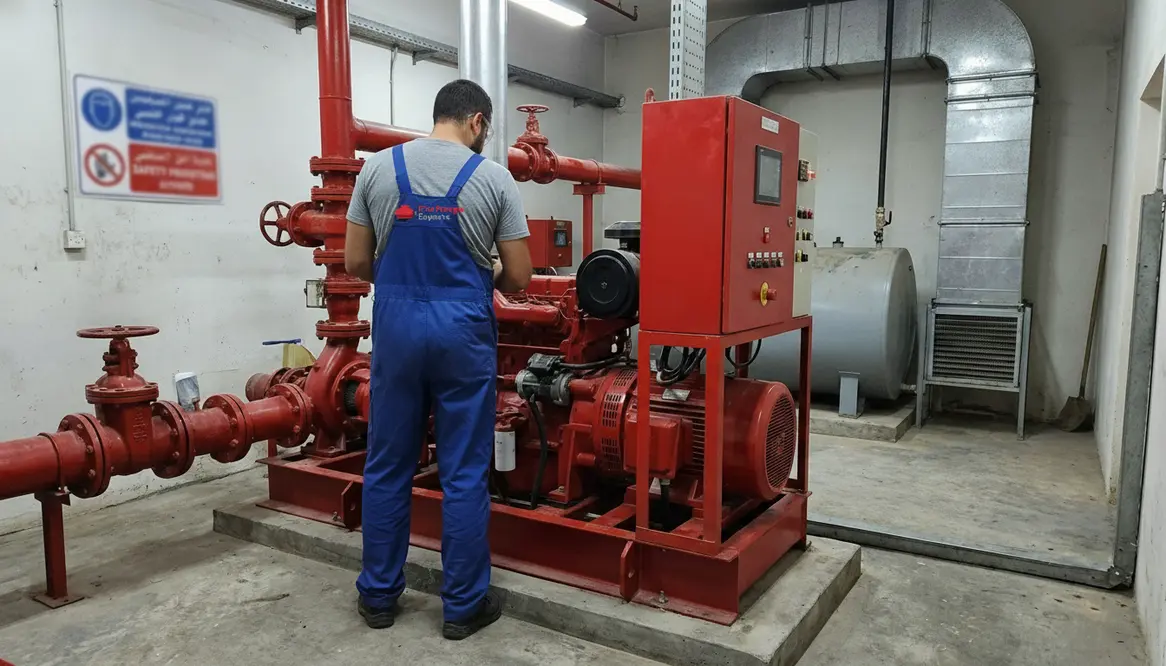
UAE Fire Code Diesel Fire Pump Requirements Guide
UAE Fire Code Diesel Fire Pump Requirements: What I Need to Know for Commercial and Industrial Buildings
When I work through UAE Fire Code diesel rules, I always focus on one simple truth: fire pumps are not decoration, and they are definitely not the office equivalent of a fancy coffee machine. In commercial and industrial buildings, the diesel fire pump often stands as the backup that keeps the whole fire protection system alive when power fails. That matters a lot, because in the real world, the grid does not care about your emergency. So, I look at the code with one goal in mind: keep people safe, protect property, and make sure the system works when things get serious.
In this guide, I will walk through the key requirements in a clear way. I will also keep it practical, because no one needs a fire safety lecture that sounds like a tax form in a wind tunnel.
What the UAE Fire Code expects from a diesel fire pump
I treat the diesel fire pump as a critical backup source for fire protection in large buildings. The code expects it to start quickly, run reliably, and support the fire system without help from the main electrical supply. In simple terms, if the power goes out, the diesel unit should not panic. It should wake up, get to work, and keep water flowing to sprinklers, hydrants, or other fire protection systems.
Matching pump design to real building risk
For commercial and industrial sites, I always check that the pump setup matches the building risk, water demand, and system design. The pump room must also support safe operation. That means access, ventilation, fuel storage, and maintenance space all need attention. A pump buried in a cramped room with poor air flow is like putting Batman in a phone booth. He may still show up, but he will not be happy.
Key design and installation points I check
Dual view: what the code wants and what I verify on site
Code focus
- Reliable automatic starting
- Independent fuel supply for proper runtime
- Protected pump room and equipment layout
- Clear access for inspection and service
My site check
- I confirm the diesel tank size meets the required run time
- I check that ventilation supports engine cooling and exhaust control
- I look for enough space around the set for repairs and testing
- I make sure the room stays dry, secure, and easy to reach
These points matter because a diesel pump is only useful if it can run under stress. Also, I make sure the installation supports easy servicing. A system that no one can maintain will fail at the worst possible moment, which is the fire safety version of leaving your charger at home.
How I handle fuel, ventilation, and testing
Fuel storage and UAE Fire Code diesel runtime expectations
Fuel is a big part of the diesel pump story. The UAE Fire Code requires enough diesel on hand for emergency operation, and I always confirm that the fuel system stays clean, stable, and protected. Fuel lines should be secure. Tanks should resist leakage. In addition, the system should support the expected runtime for the building risk level. When I talk about UAE Fire Code diesel setups with owners, I always highlight that runtime is not a guess; it is a requirement that needs clear calculations and real-world verification.
Ventilation and room conditions
Ventilation matters just as much. A diesel engine needs air to run and to cool itself. So, I look for proper intake and exhaust routes, and I check that heat does not build up in the pump room. If the room turns into a sauna, the equipment may not perform as intended. That is bad news, and also a terrible place for a safety test.
Testing the system under realistic conditions
Testing also plays a major role. I always recommend regular start tests and flow checks so the pump proves it can do the job. Emergency equipment should not meet the fire alarm for the first time during an actual fire. That would be a dramatic reunion nobody asked for. A good UAE Fire Code diesel program treats testing as routine, not as a last-minute sprint when an inspection is scheduled.
Maintenance steps for UAE Fire Code diesel systems
I keep maintenance simple, regular, and documented. First, I inspect the pump, engine, controls, battery, fuel level, and alarms. Next, I confirm that all parts stay clean and ready. Then, I record every test and service event. This creates a clear history that helps with compliance and troubleshooting.
I also pay close attention to the battery and starter system because a diesel fire pump that cannot start is just heavy equipment with ambitions. Monthly and weekly checks often reveal small issues before they become big ones. And in fire protection, small issues have a bad habit of growing teeth.
For commercial facilities with strict insurance or operational demands, I usually suggest building a checklist that aligns each maintenance task with the specific UAE Fire Code diesel clauses that apply. That way, the team knows exactly why they are doing each step and can show the logic to inspectors, consultants, or insurers without scrambling through old emails.
Why compliance matters for commercial and industrial buildings
For large properties, compliance is not just about passing an inspection. It is about keeping operations stable, protecting staff, and reducing loss during an emergency. I see the diesel fire pump as part of the building’s risk shield. When it works, it helps the rest of the system do its job. When it fails, every other layer gets weaker.
I also find that good compliance improves trust. Owners, managers, insurers, and authorities all want proof that the fire protection system makes sense on paper and in real life. That is where clear design, proper installation, and routine testing come together. It is a bit like a good superhero team: each part has a role, and if one member goes missing, the whole plot gets messy.
When I review a site, I usually connect diesel fire pump performance back to business continuity. A well-managed UAE Fire Code diesel installation can be the difference between a contained incident and a long shutdown that nobody budgeted for.
Quick reference checklist for diesel fire pump rooms
Room and access
- Protected room with rated enclosure where required
- Clear access routes for people and equipment
- Dry, secure, and free from storage clutter
- Adequate lighting for inspections and tests
Fuel, power, and testing
- Fuel tank sized for code-required runtime
- Fuel quality and turnover managed to avoid degradation
- Battery sets tested and maintained
- Documented weekly, monthly, and annual tests
For more structured checklists and reference material, resources like https://firepumps.org can be useful complements to local UAE requirements, as long as the local code always takes priority.
FAQ
Conclusion
If I want a fire pump system that truly protects a commercial or industrial building, I cannot treat compliance as a side quest. I need the right design, the right fuel setup, the right testing, and the right maintenance. So, if you manage a large property, now is the time to review your diesel fire pump setup, close any gaps, and make sure your system is ready when it matters most. Safety waits for no one, and neither should you.