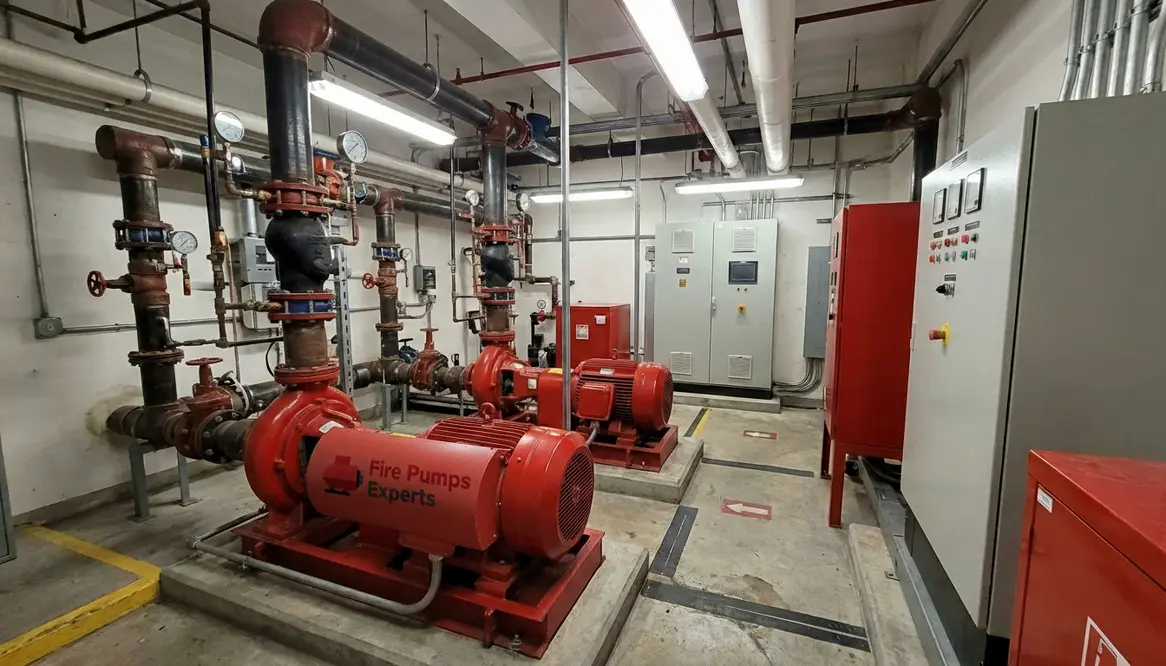
Vertical Apartment Fire Pump Systems for High Rises
I have spent years watching buildings rise higher, stretch taller, and push the limits of what gravity politely allows. And with every added floor, one truth becomes harder to ignore. Fire does not care how impressive your skyline looks. It climbs faster than your elevator on a Monday morning. That is exactly where our vertical apartment fire pump systems step in, quietly doing the heroic work no one notices until everything depends on it.
Designing fire pump systems for tall apartment projects is not just engineering. It is foresight, pressure management, and a bit of humility in the face of physics. So let me walk you through how I approach it, with a steady hand and maybe a small smile along the way.
What makes fire pump design different in tall apartment buildings?
First, height changes everything. Water, unlike your favorite action hero, does not naturally want to climb 40 stories. Therefore, I design systems that account for pressure loss, elevation head, and flow demand at the highest point.
However, it is not just about pushing water upward. I also balance pressure so lower floors do not end up with pipes that behave like overcaffeinated fire hoses. Consequently, zoning becomes essential. I divide buildings into pressure zones, each carefully controlled to avoid system stress and equipment fatigue.
And yes, codes play a role. A big one. NFPA standards guide every move I make, but experience fills in the gaps between the lines.
Core components that keep systems reliable
Every strong system begins with the right backbone. I never treat components as interchangeable because, in high rise environments, small miscalculations scale quickly.
Here is how I typically break it down:
Primary pump selection
I choose pumps that can handle peak demand at the highest elevation without strain. Vertical turbine pumps often lead the conversation here because they excel in deep water sources and tight mechanical rooms.
Backup systems
Redundancy is not optional. I always include diesel or secondary electric pumps so failure never becomes a headline.
Pressure control devices
Pressure reducing valves and relief valves keep each zone stable. Without them, lower floors would feel like they are inside a water balloon.
Controller intelligence
Modern controllers monitor, adjust, and report. They are the quiet supervisors making sure everything behaves.
Meanwhile, I keep layout efficiency in mind. Space in high rise mechanical rooms is tighter than airplane legroom, so every inch matters.
Designing vertical apartment fire pump systems for pressure stability
Pressure stability is where design turns into art. I calculate static and residual pressures across every floor, then layer in safety margins. After that, I simulate worst case scenarios because reality loves surprises.
Additionally, I use pressure zoning combined with intermediate tanks or break tanks when needed. This approach prevents excessive pressure buildup and protects piping infrastructure.
But here is the part people often overlook. Water hammer. If not controlled, it can damage pipes faster than a drummer in a rock band. Therefore, I integrate soft start systems and surge protection to keep everything smooth and predictable.
In other words, I do not just design for performance. I design for longevity.
How do I size fire pumps for high rise apartments?
I start with demand. Not guesses. Not rough estimates. Real calculations based on occupancy, sprinkler density, and standpipe requirements.
Then I layer in elevation head. Every foot of height adds pressure demand, and that adds up quickly. Afterward, I account for friction loss across piping, valves, and fittings.
Once I have those numbers, I select a pump that meets peak demand without operating at its limits. Because running a pump at full capacity all the time is like redlining your car engine. It works, until it does not.
Finally, I validate the system with performance curves and safety factors. Because confidence in design should come from data, not optimism.
Common design mistakes I avoid every time
Oversimplified zoning
Too few zones lead to unstable pressure. Too many create unnecessary complexity. I strike the balance carefully.
Ignoring future demand
Buildings evolve. Therefore, I design systems that can handle expansion or increased load without major overhauls.
Poor equipment placement
Accessibility matters. If maintenance crews cannot reach components easily, reliability suffers.
Underestimating power needs
Fire pumps require dependable power. So I coordinate closely with electrical systems to ensure seamless operation during emergencies.
And yes, I double check everything. Because in this field, “probably fine” is not a phrase I ever want attached to my work.
Vertical apartment fire pump systems in modern commercial high rises
Today’s commercial and large residential towers demand smarter systems. I integrate monitoring technology that provides real time diagnostics and alerts. This way, facility managers know exactly what is happening before a small issue becomes a big one.
Moreover, I consider sustainability. Efficient pump selection and system design reduce energy consumption without compromising safety. It is not just about meeting code. It is about exceeding expectations.
And let us be honest. A well designed fire pump system is like a great movie soundtrack. You barely notice it, but without it, everything falls apart.
That is why I keep vertical apartment fire pump systems at the core of my strategy for high rise protection. When the system is planned with the building’s true behavior in mind, the result is quieter operation, better reliability, and safer occupants.
FAQ
Below are some of the most common questions I hear when planning or upgrading vertical apartment fire pump systems for high rise apartments.
Conclusion
Designing fire pump systems for tall apartment projects is not just technical work. It is a responsibility I take seriously every time I step into a plan set. If you are managing or developing a commercial high rise, I can help you build a system that performs when it matters most. Reach out to https://firepumps.org and let us make sure your building stands tall, protected, and ready for anything.