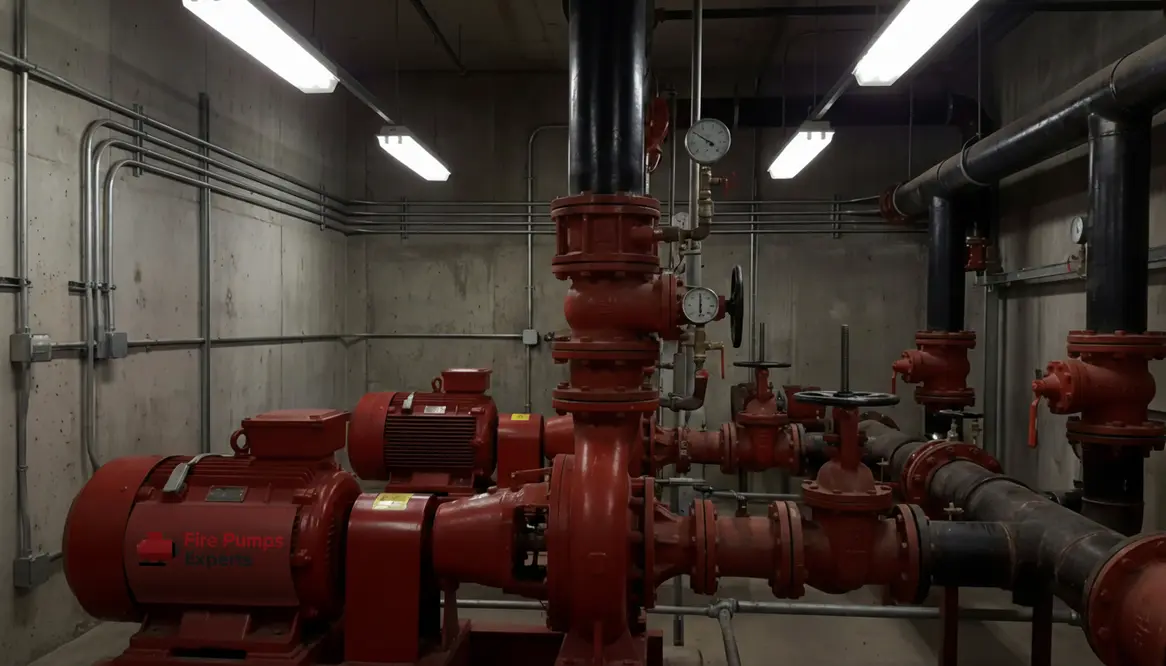
Vertical Mixed Use Tower Fire Pump Systems Guide
I have spent years walking through tall, multi occupancy buildings where thousands of lives move like clockwork. Offices hum, elevators glide, and somewhere in the background, our vertical mixed use tower fire pump systems stand ready, quiet but alert. They are not glamorous. They will never get a standing ovation. Yet when things go wrong, they become the difference between a controlled event and chaos that would make even a Hollywood disaster film look tame.
Fire safety in high rise environments is not just about alarms and exit signs. It is about layered systems, disciplined planning, and a respect for physics that does not negotiate. So let’s walk through what truly keeps these towering structures safe, without turning it into a lecture that feels like it came from a dusty manual.
Why fire safety in tall buildings demands a different mindset
At ground level, fire behaves in a fairly predictable way. However, once you stack dozens of floors on top of each other, things change quickly. Heat rises. Smoke travels faster than people expect. Meanwhile, evacuation becomes a logistical puzzle rather than a simple exit strategy.
Because of this, I approach tall building safety as a system of timing and control. Every second matters. Sprinklers must activate quickly. Pumps must maintain pressure across long vertical distances. Occupants must receive clear instructions without confusion.
Additionally, fire departments cannot rely on standard equipment alone at extreme heights. That is why built in infrastructure carries the real burden. In other words, the building must defend itself long before external help reaches the upper floors.
How do fire pump systems support high rise fire protection?
I get this question a lot, and the answer is straightforward. Fire pumps ensure that water reaches where it is needed, at the pressure required, without hesitation.
In tall structures, gravity is not your friend. Water pressure drops as it climbs. Therefore, I rely on carefully engineered pumping systems to overcome that loss. These systems maintain consistent flow across multiple zones, ensuring sprinklers and standpipes perform exactly as designed.
Moreover, modern configurations allow for zoning strategies. Instead of pushing water from the ground to the top in one go, systems divide the building into manageable sections. This approach improves reliability and reduces strain on equipment.
And yes, when everything works correctly, it feels almost boring. That is the goal. In fire protection, boring is beautiful.
Vertical mixed use tower fire pump systems in complex environments
Mixed use towers introduce another layer of complexity. Offices, hotels, retail spaces, and sometimes industrial operations all exist under one roof. Each occupancy type carries different risks, which means I cannot apply a one size fits all approach.
That is where vertical mixed use tower fire pump systems truly shine. They allow me to tailor pressure zones and response strategies to match the specific needs of each section of the building.
For example, a commercial kitchen presents a very different hazard than a corporate office floor. Meanwhile, mechanical floors may require additional protection due to critical equipment. By integrating flexible pumping strategies, I can support each of these areas without compromising the system as a whole.
It is a bit like conducting an orchestra. Every section must come in at the right time, at the right intensity. Otherwise, the performance falls apart.
Key system priorities I focus on:
- Maintaining consistent water pressure across all levels
- Ensuring redundancy to avoid single points of failure
- Aligning system zones with building use types
- Supporting rapid sprinkler activation
Common risks I actively mitigate:
- Pressure loss at extreme heights
- Delayed water delivery
- System overload during peak demand
- Equipment failure under stress
Designing for real world scenarios, not just code compliance
Meeting code is essential. However, I never stop there. Codes provide a baseline, not a guarantee of performance under every condition.
So I think about real world scenarios. What happens during a power outage? What if multiple floors activate simultaneously? How does the system respond when demand spikes beyond normal expectations?
By asking these questions, I build systems that can handle more than the minimum requirement. Because in a real emergency, no one gets extra credit for barely meeting the rules.
And let’s be honest, fire does not care about paperwork. It cares about fuel, oxygen, and time.
Maintenance and monitoring keep systems alive
Even the best system will fail if it is ignored. That is why ongoing maintenance is not optional. I treat it as part of the system itself.
Routine testing ensures pumps start instantly and deliver the required pressure. Sensors and monitoring tools provide real time feedback, allowing teams to catch issues before they become problems.
Furthermore, trained personnel play a critical role. A well designed system still depends on people who understand how to operate and maintain it. Technology supports safety, but it does not replace responsibility.
Think of it like owning a high performance car. If you never service it, do not be surprised when it refuses to start on the one day you actually need it.
Coordinating fire safety across large commercial properties
In large scale commercial and industrial environments, coordination becomes just as important as equipment. Multiple tenants, varied operations, and constant activity create a dynamic risk profile.
Therefore, I prioritize clear communication between property managers, safety teams, and system operators. Everyone must understand how the fire protection system functions and what role they play during an emergency.
Additionally, drills and training sessions reinforce this coordination. When people know what to expect, they respond faster and with less panic. And in a high rise, calm decision making can save lives.
It may not sound exciting, but preparation is the closest thing we have to a superpower in fire safety.
FAQ
Below are some common questions about high rise protection and how modern vertical mixed use tower fire pump systems support safer outcomes.
Conclusion
Fire safety in tall multi occupancy properties is not guesswork. It is precision, planning, and the right systems working together at the right moment. If you manage a large commercial or industrial property, now is the time to evaluate your infrastructure. Make sure your fire protection strategy is ready before it is tested. Because when the moment comes, preparation is not optional. It is everything. Let’s make sure your building stands ready, supported by vertical mixed use tower fire pump systems that have been designed and maintained for the real world.