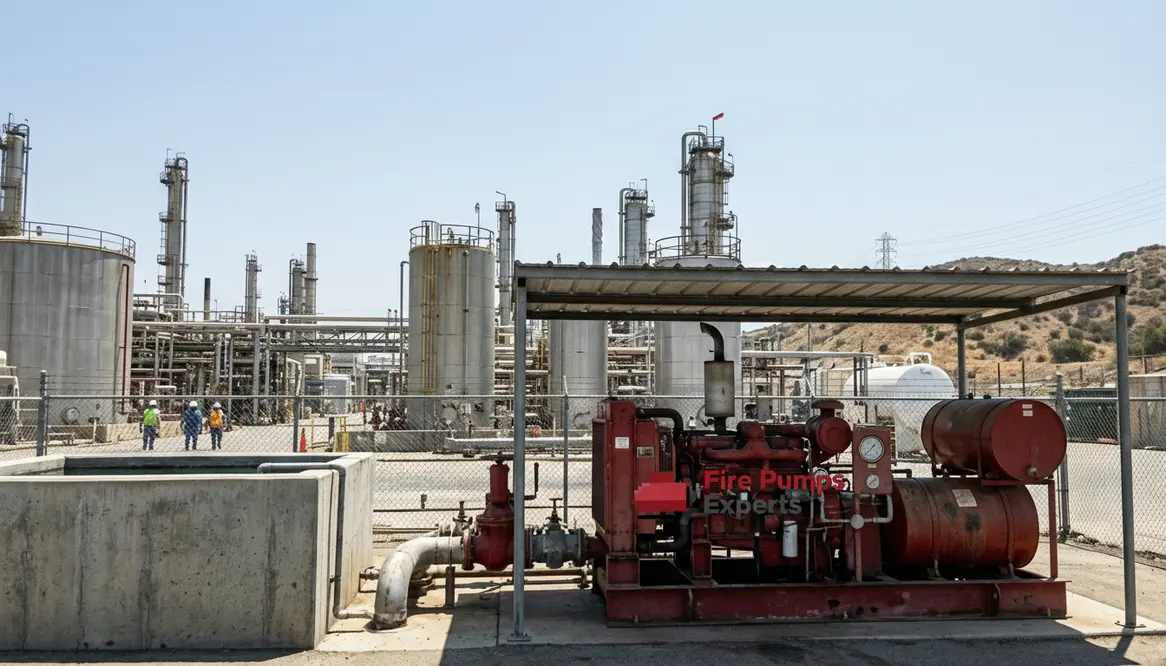
Los Angeles Chemical Facility Fire Protection Systems
How high-risk chemistry, dense urban life, and serious engineering come together to keep Los Angeles industrial facilities from becoming front-page disasters.
Introduction
I have spent enough time around industrial facilities to know one simple truth. When chemicals, heat, pressure, and people share the same building, fire protection is not optional. It is the quiet guardian in the background. In a city as dense and active as Los Angeles, that guardian becomes even more important.
When I talk about los angeles chemical facility fire protection infrastructure, I am talking about the full ecosystem that protects large processing plants, storage terminals, and industrial properties. Pumps, water supply, detection, containment systems, and disciplined engineering all work together like a well rehearsed orchestra. And trust me, in this orchestra the fire pump is the drummer. If it stops, the rhythm collapses.
So today I will walk through how these systems actually work inside major chemical processing facilities in Los Angeles. We will talk about design, water supply, regulatory expectations, and the practical decisions that keep operations safe. Along the way, I might slip in a joke or two. Even serious infrastructure deserves a little personality.
Why This Topic Matters In Los Angeles
Los Angeles is not just sunshine and movie sets. It is warehouses full of flammable liquids, tank farms near freeways, process units humming around the clock, and neighborhoods packed in tight around it all.
That combination means los angeles chemical facility fire protection infrastructure is not a niche topic. It is city-scale risk management. When it works, nobody notices. When it fails, everyone does.
If you operate, design, or manage industrial sites here, you are part of that story whether you asked for it or not.
How I Approach Fire Protection in Large Chemical Processing Facilities
When I step into a chemical facility planning meeting, I start with one simple mindset. Assume the fire will happen. That may sound dramatic, but good engineering begins with honest assumptions.
Chemical facilities present several hazards at once. Flammable liquids. Pressurized gases. Heat producing reactions. Large storage tanks. In addition, many facilities operate continuously. That means shutting down systems during an emergency becomes complicated.
Because of this, the fire protection design must cover multiple layers.
- Early detection systems that identify heat, flame, or gas release
- High capacity fire pumps that maintain pressure across large sites
- Foam suppression systems for flammable liquid hazards
- Deluge systems protecting process equipment
- Water storage designed for extended firefighting operations
However, the real art lies in how these pieces connect. A pump alone cannot solve a supply problem. A tank alone cannot guarantee pressure. Instead, I treat the system as a network where every component supports the others.
And yes, sometimes the conversation feels a bit like assembling the Avengers of fire safety. The pump is Thor with the hammer. Detection systems are Iron Man with the sensors. Meanwhile, the engineer quietly hopes nobody turns into the Hulk.
los angeles chemical facility fire protection infrastructure and High Capacity Pump Systems
In Los Angeles chemical plants, the fire pump often becomes the backbone of the entire protection strategy. Municipal water systems rarely deliver the pressure or flow needed for large industrial hazards. Therefore, facilities rely on dedicated pump systems to move massive volumes of water exactly when they are needed.
Most chemical processing facilities operate with pumps capable of delivering several thousand gallons per minute. That water feeds hydrants, foam systems, cooling monitors, and sprinkler networks across the property.
I usually evaluate three major factors when designing pump infrastructure.
- Reliability during power loss
- Capacity for worst case fire scenarios
- Redundancy for continuous facility operation
Designing Pump Systems That Refuse to Quit
Because Los Angeles faces earthquake risks and heavy industrial demand, electric pumps alone rarely provide enough security. Therefore, many facilities add diesel driven pumps that operate independently from the grid. When power disappears, the diesel engine simply keeps running. Think of it as the stubborn old truck that always starts even when newer cars refuse.
Furthermore, pump rooms require careful environmental protection. Flooding, heat exposure, and vibration can all compromise performance. Consequently, good engineers isolate pump houses and monitor them with dedicated sensors.
When all these pieces align, the facility gains something powerful. Confidence. The system stands ready long before the first flame appears.
If you want a deeper look at industrial fire pumps and inspection expectations, it is worth exploring resources like the fire pump systems overview at https://kordfire.com/fire-pump/ for practical context.
Critical Design Elements That Keep Industrial Fire Systems Reliable
Water Supply Strategy
I always begin with water availability. Chemical facilities often store large emergency reserves in dedicated tanks or reservoirs. This ensures firefighting operations can continue for hours if needed. Additionally, engineers size the supply for simultaneous hazards such as tank fires and structural protection.
Foam Integration
Flammable liquid hazards demand foam systems. These systems mix concentrate with water and blanket the fuel surface. As a result, oxygen cannot reach the fire. Proper proportioning equipment and storage capacity become essential.
Hydrant Network Coverage
Strategically placed hydrants allow emergency crews to reach every section of the property quickly. Spacing, flow capacity, and accessibility all influence response time.
Equipment Cooling Systems
Process vessels and storage tanks can rupture when exposed to prolonged heat. Therefore, deluge systems spray large volumes of water over critical equipment. This cooling prevents catastrophic failure.
Monitoring and Control
Modern facilities track pump status, valve position, and system pressure through centralized monitoring. Operators receive alerts before small issues grow into large ones.
Maintenance Planning
Even the best system fails if nobody tests it. Routine flow tests, pump inspections, and valve exercises keep everything ready for the day it is needed.
When these design elements work together, the infrastructure becomes resilient. In other words, it behaves like a good security team. Quiet, watchful, and always ready.
Regulatory Expectations for Industrial Fire Protection in Los Angeles
Los Angeles does not treat industrial fire protection casually. The city combines national codes, state safety regulations, and local fire department requirements.
First, standards such as NFPA guidelines guide the technical design. These standards define pump capacity, sprinkler density, foam system design, and testing schedules. Therefore, engineers follow them carefully when planning major industrial properties.
Second, the Los Angeles Fire Department reviews fire protection plans before construction begins. Their teams analyze water supply, hazard classification, and emergency access routes.
Finally, facilities undergo inspections and testing throughout the life of the property. This continuous oversight ensures the system does not slowly drift away from its intended performance.
Now here is the funny part. Many facility managers initially view these regulations as paperwork headaches. However, once a system proves itself during an incident, those same managers become enthusiastic supporters. Nothing changes opinions faster than watching a properly designed pump system stop a dangerous fire.
Planning for Expansion and Process Changes
Chemical processing facilities rarely stay the same for long. New production lines appear. Storage tanks increase. Process equipment evolves. Consequently, the fire protection system must adapt.
When I design infrastructure for large facilities, I always leave room for growth. Additional pump capacity, spare piping connections, and modular foam systems allow the site to expand without rebuilding the entire network.
Furthermore, expansion planning protects long term investment. Industrial properties in Los Angeles often operate for decades. Therefore, forward thinking infrastructure prevents expensive retrofits later.
And let us be honest. Retrofitting fire protection into a fully operational chemical plant feels a bit like renovating a kitchen during Thanksgiving dinner. Technically possible. Emotionally exhausting.
By designing adaptable infrastructure from the start, facilities maintain safety while supporting future growth. Strong los angeles chemical facility fire protection infrastructure anticipates tomorrow’s hazards instead of scrambling to catch up with them.
FAQ: Fire Protection for Chemical Facilities in Los Angeles
Industrial fire protection can feel mysterious from the outside. These are some of the questions I hear most often when people start taking los angeles chemical facility fire protection infrastructure seriously.
Conclusion
Industrial safety does not happen by accident. It grows from thoughtful engineering, reliable equipment, and careful planning. Strong los angeles chemical facility fire protection infrastructure protects people, operations, and long term investments across the region.
In facilities where chemicals, heat, and pressure live under the same roof as human beings, “good enough” is not good enough. The pump that always starts, the foam that always proportionates correctly, the hydrant network that always reaches the hazard, and the operators who actually know how to use them all form one continuous safety story.
If your site is growing, changing, or simply aging, treat that as your reminder. Now is the time to confirm that your los angeles chemical facility fire protection infrastructure still matches the reality of your hazards, your processes, and your neighborhood.
If your facility needs high capacity fire pumps, system upgrades, or expert design support, now is the time to act. Connect with professionals who understand complex industrial fire protection and build a system ready for whatever tomorrow brings.