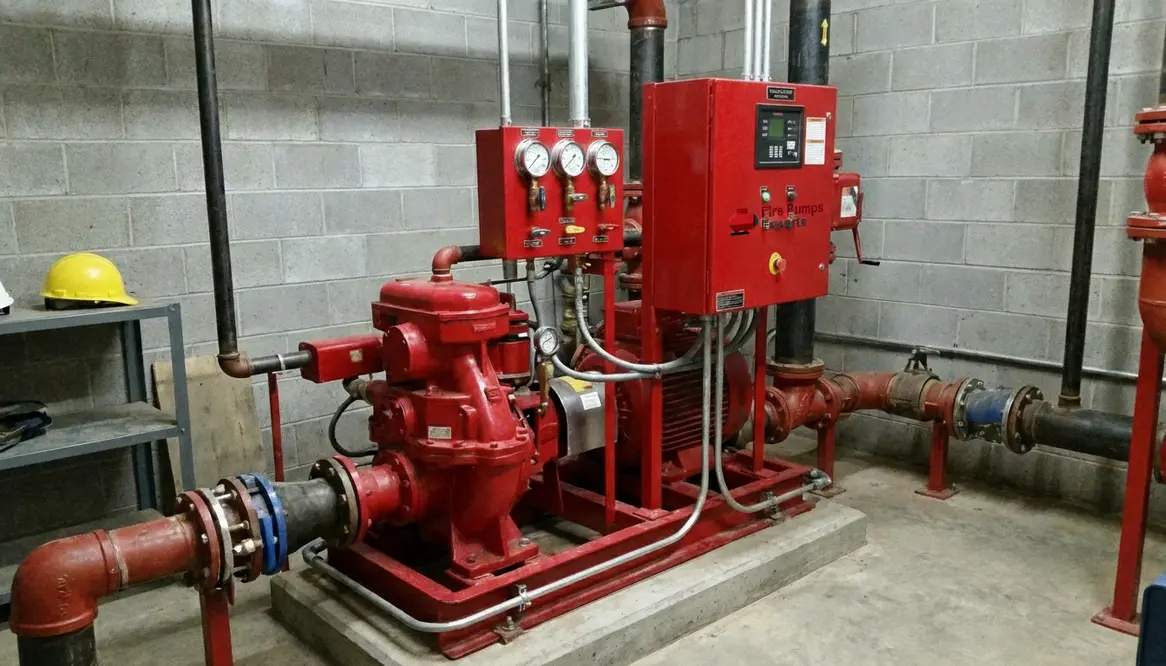
Fire Pump Permit and Acceptance Test Jacksonville Guide
A practical walkthrough of the fire pump permit and acceptance test jacksonville timeline readiness, from first plan submittal to that final, nerve-wracking performance in the pump room.
I have spent a lot of time around mechanical rooms, control panels, and the quiet hum of equipment that most people never think about until something goes wrong. And if there is one system that deserves attention before disaster strikes, it is the fire pump. In Jacksonville, that preparation revolves around the fire pump permit and acceptance test jacksonville timeline readiness. For commercial towers, hospitals, distribution centers, and large industrial sites, this process is not just paperwork. It is the moment when the city confirms that your building’s last line of defense against fire will actually work when the stakes are high.
However, the process has a rhythm. There is a timeline. There are checkpoints. And with the right preparation, that final acceptance test can feel less like a courtroom trial and more like a victory lap. Today I want to walk you through what that journey looks like in Jacksonville, what inspectors expect, and how property teams can stay ready without losing sleep or their sense of humor.
Understanding the Fire Pump Permit and Acceptance Test Jacksonville Timeline Readiness
Let me start with the big picture. When a commercial or industrial building installs or modifies a fire pump system in Jacksonville, the project moves through a structured approval process. The city does not simply take your word that the system works. They verify it step by step.
First comes the permit phase. Engineers submit plans that outline pump size, water supply, controllers, and system layout. The local authority reviews these documents to ensure the design meets NFPA standards and city requirements. If something looks off, the plans go back for revision. It is a little like submitting homework to a very strict professor who has absolutely no interest in extra credit.
Once approved, installation begins. Contractors place the pump, connect piping, install controllers, and coordinate electrical power. Meanwhile, inspectors keep a watchful eye on the progress.
Finally, everything leads to the acceptance test. This is where the pump proves its performance under real operating conditions. Pressure readings, flow rates, alarms, and fail safes all get verified. When the system passes, the building earns official approval to operate.
In other words, readiness is not a last minute scramble. It is the result of steady preparation across the entire project timeline. When you understand the full fire pump permit and acceptance test jacksonville timeline readiness, it stops feeling mysterious and starts looking like a sequence you can plan for.
How Long Does the Fire Pump Approval Process Usually Take in Jacksonville?
Let us talk about time. Because in construction and facility management, time has a way of moving either painfully slow or frighteningly fast.
In Jacksonville, the timeline usually unfolds in several stages.
Permit Review Phase
Plan review often takes two to four weeks depending on complexity. Large industrial sites or high rise projects may take longer because reviewers examine hydraulic calculations, pump curves, and water supply documentation in detail.
Installation Period
Once the permit is issued, installation timelines vary widely. A straightforward replacement pump may take a few weeks. A large commercial facility integrating multiple pumps into a new building may take several months.
Pre Test Preparation
Before the acceptance test, contractors verify electrical connections, controller programming, and mechanical alignment. This preparation phase is where experienced teams shine. Because nobody wants to schedule an official test only to discover a loose coupling or missing gauge.
Acceptance Testing
The final test itself usually lasts a few hours. However, it represents weeks or months of preparation.
And yes, when everything runs smoothly, that moment can feel oddly cinematic. Picture the pump roaring to life, gauges rising perfectly, and inspectors nodding in approval. It is not quite the ending of an action movie, but in the world of fire protection, it is pretty close.
What Should Facility Managers Prepare Before a Fire Pump Acceptance Test?
I hear this question a lot from facility teams managing large buildings. And the answer is simple. Preparation beats panic every time.
Before the test day arrives, I make sure several critical items are ready.
Operational Power Supply
The fire pump needs a stable electrical source or generator connection. Inspectors verify that the pump starts automatically during simulated conditions.
Calibrated Gauges
Pressure gauges must be accurate and properly installed. Faulty gauges can cause test delays even if the pump itself works perfectly.
Controller Functionality
Controllers should respond to automatic signals, manual start commands, and alarm conditions. Inspectors often test multiple start scenarios.
Clear Access and Safety
The pump room must allow safe access to valves, controllers, and relief systems. Think of it like preparing a stage before a performance. Nobody wants to trip over equipment while trying to demonstrate life safety systems.
When teams handle these details ahead of time, the acceptance test becomes straightforward rather than stressful. And you can check another box on your fire pump permit and acceptance test jacksonville timeline readiness plan.
Common Issues That Delay Fire Pump Approvals in Large Buildings
Even experienced contractors occasionally run into delays. In Jacksonville, I have seen several patterns repeat themselves across commercial and industrial facilities.
- Documentation gaps cause problems. Inspectors often request pump curves, factory test reports, and electrical diagrams. Missing paperwork can pause the process immediately.
- Improper system coordination slows things down. Fire pumps interact with alarms, sprinklers, and backup power systems. If those components are not aligned, inspectors will notice quickly.
- Mechanical installation mistakes appear more often than people expect. Something as simple as reversed check valves or incorrect pressure relief settings can stop a test cold.
- Scheduling conflicts sometimes create unexpected delays. City inspectors, contractors, and building representatives all need to be present. And coordinating multiple calendars can feel like assembling the Avengers for a meeting.
Fortunately, experienced planning teams reduce these risks dramatically and keep the fire pump permit and acceptance test jacksonville timeline readiness from drifting weeks past the original target date.
Key Readiness Steps for Commercial and Industrial Fire Pump Systems
When I guide facility teams through acceptance preparation, I focus on a practical readiness checklist. These steps help ensure the system performs exactly as designed.
Mechanical Readiness
- Confirm pump alignment and coupling integrity
- Verify suction and discharge valves are positioned correctly
- Check pressure relief valves and circulation lines
- Ensure adequate water supply from municipal or storage sources
Operational Readiness
- Test automatic start signals
- Confirm alarm integration with building systems
- Verify generator backup if required
- Ensure test headers and flow meters operate correctly
Once these elements are confirmed, the fire pump permit and acceptance test jacksonville timeline readiness moves forward with far fewer surprises. And that makes everyone happier. Inspectors. Engineers. Contractors. Even the building owner who would rather spend money on tenants than on retesting fees.
Why Proper Planning Matters for Major Jacksonville Facilities
Large properties face unique challenges when preparing fire protection systems. Hospitals operate around the clock. Distribution centers rely on uninterrupted logistics. High rise office towers house thousands of workers every day.
Because of that scale, a failed test carries real consequences. Delayed occupancy permits, postponed tenant move ins, or construction schedule setbacks can ripple across an entire project.
That is why the fire pump permit and acceptance test jacksonville timeline readiness deserves careful planning long before the final inspection date.
Experienced teams treat the acceptance test as the final chapter of a much longer story. They review equipment specifications early. They confirm compatibility between systems. They run internal pre tests before the city ever arrives.
And when everything works exactly as expected, the acceptance test becomes more of a confirmation than a gamble.
In my experience, that level of preparation separates smooth projects from chaotic ones. It also keeps facility teams focused on what matters most. Protecting people, property, and operations.
Frequently Asked Questions
Final Thoughts and Next Steps
The truth is simple. Fire pumps protect the backbone of large commercial and industrial properties. When the fire pump permit and acceptance test jacksonville timeline readiness is handled correctly, approvals move faster and systems perform exactly as designed.
If your facility is preparing for installation, replacement, or inspection, your internal team does not have to tackle everything alone. Regional specialists, contractors, and full-service firms can support everything from early design review to hands-on test day coordination. If you are also looking at broader system needs like diesel or electric fire pump service, you can explore providers such as Kord Fire Protection’s fire pump services in Orange County for a sense of what comprehensive support looks like.
When you build a culture of preparation around your fire pump permit and acceptance test jacksonville timeline readiness, test day stops being a gamble and starts becoming exactly what it should be: proof that the system you invested in will be there when your building needs it most.
If your facility is preparing for installation, replacement, or inspection, our specialists at FirePumps.org can help guide the process from planning to final approval. Reach out today and let us help your building pass its next test with confidence.