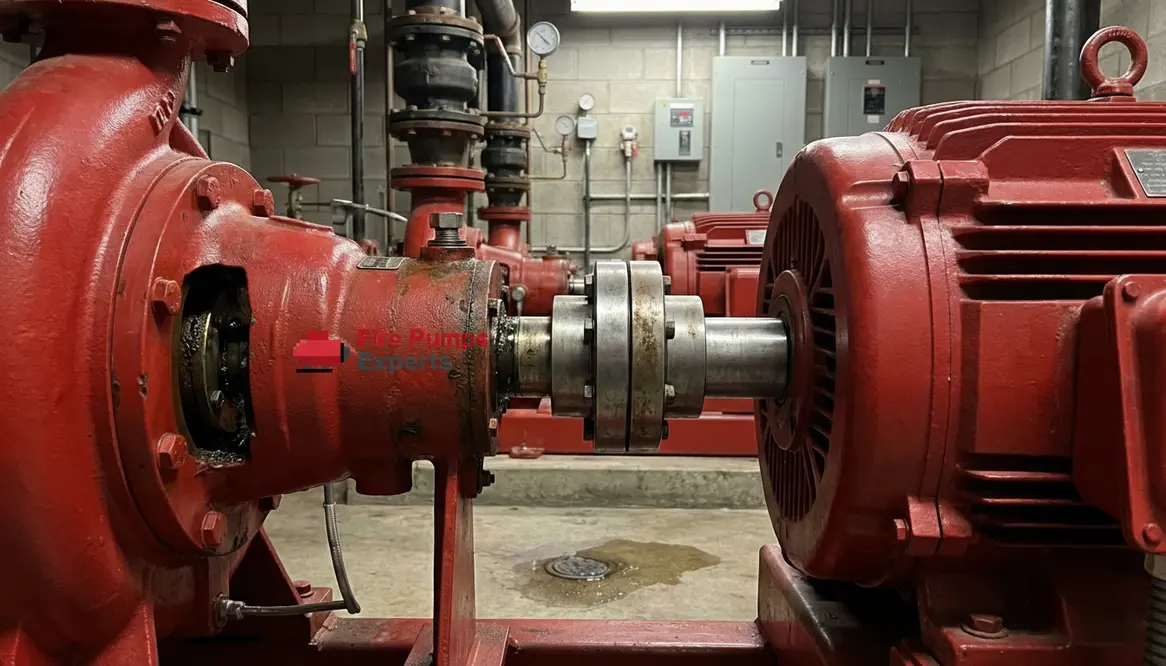
Fire Pump Shaft Failure San Bernardino Guide
I have spent years around commercial fire protection systems, and if there is one quiet troublemaker I have learned to respect, it is the pump shaft. In high demand environments like San Bernardino, where systems run hard and often, even a small weakness can spiral into a major failure. When we talk about fire pump shaft failure San Bernardino, we are not just discussing a broken part. We are looking at downtime, safety risks, and costly disruptions that ripple through entire facilities.
So let me walk you through what really happens, why it matters, and how to stay ahead of it without losing sleep or your budget.
Why High Use Systems Push Fire Pump Shafts to the Limit
In large commercial and industrial buildings, fire pumps do not sit idle like props in a museum. Instead, they operate under frequent testing cycles, emergency readiness checks, and sometimes real world activation. As a result, the shaft takes on constant rotational stress.
Over time, that stress builds. Heat, vibration, and alignment shifts slowly wear the material down. Moreover, San Bernardino facilities often deal with temperature swings and environmental dust, which adds another layer of strain. It is a bit like asking someone to sprint every day and expecting their knees to never complain.
Eventually, the shaft reaches a tipping point. And when it fails, it rarely gives a polite warning.
What Are the Early Signs of Fire Pump Shaft Failure San Bernardino?
I always tell facility managers this: the system whispers before it screams. You just have to listen.
Common warning signs include unusual vibration, slight misalignment, and changes in noise patterns. In addition, you might notice increased bearing wear or small leaks around seals. These are not random quirks. They are early signals that the shaft is under stress.
However, many teams overlook these signs because the pump still “works.” That is like ignoring a check engine light because the car still drives. It works until it very much does not.
And yes, I have seen systems go from “sounds a little off” to full shutdown faster than a plot twist in a thriller movie.
Inside the Mechanics: What Actually Causes Shaft Failure
Let me break it down simply. A fire pump shaft fails when forces exceed what the material can handle over time. That sounds obvious, yet the causes are often layered.
Mechanical Stress Factors
- Misalignment between motor and pump
- Imbalance in rotating components
- Excessive vibration during operation
- Improper installation practices
Environmental and Operational Factors
- High duty cycles in large facilities
- Temperature fluctuations
- Dust and debris exposure
- Irregular maintenance schedules
When these factors combine, the shaft develops micro fractures. Over time, those fractures grow. Eventually, the shaft either bends, cracks, or snaps completely.
It is not dramatic at first. But when it finally gives out, it is very dramatic.
How I Approach Prevention in Large Scale Facilities
Prevention is where things get interesting, because it is not about doing more. It is about doing the right things consistently.
First, I focus on alignment. Proper alignment during installation and routine checks reduces uneven stress. Next, I prioritize vibration analysis. Even small changes can reveal developing issues before they escalate.
Then there is lubrication and bearing care. These often get treated like background tasks, yet they directly impact shaft longevity. In addition, I recommend scheduled inspections that go beyond surface level checks.
And here is the part people sometimes resist. Replace components before failure, not after. I know, it feels like replacing something that “still works.” But in high use systems, waiting is usually more expensive.
Think of it like changing tires before a long road trip. You could gamble. Or you could arrive without calling for help on the side of the freeway.
Fire Pump Shaft Failure San Bernardino: Why It Hits Harder Here
San Bernardino facilities face a unique mix of operational intensity and environmental exposure. Many commercial properties run large scale systems that rarely get a break. At the same time, dust and heat can quietly accelerate wear.
Because of this, failures here tend to appear sooner if maintenance falls behind. Moreover, when a shaft fails in a high occupancy or industrial setting, the consequences extend beyond equipment damage. Compliance risks, safety concerns, and operational downtime all come into play.
In other words, this is not just a maintenance issue. It is a business continuity issue. If you are responsible for systems where fire pump shaft failure San Bernardino is a real possibility, treating those early signs seriously is part of protecting people, property, and operations.
Planning ahead for fire pump shaft failure San Bernardino scenarios also means building relationships with service providers before emergencies. When you already know who to call, how fast they respond, and what parts they stock, you cut hours or days off potential downtime.
FAQ: Quick Answers for Facility Managers
Here are some of the questions that come up most often when people start asking how to avoid fire pump shaft failure San Bernardino issues in real facilities.
Closing Thoughts and Next Steps
If you manage a commercial or industrial facility, now is the time to take a closer look at your fire pump system. Do not wait for failure to force your hand. Instead, act early, schedule detailed inspections, and address small issues before they grow.
Reach out to a qualified fire pump specialist who understands high demand environments in San Bernardino and can keep your system reliable, compliant, and ready when it matters most. Whether you lean on internal teams, local contractors, or educational resources like https://firepumps.org, the important part is having a clear plan before you are dealing with alarms, downtime, and pressure from every direction.
Fire protection is one of those areas where quiet, consistent effort beats flashy last-minute heroics every time. Treat your pump shaft with that same mindset, and you dramatically reduce the odds that fire pump shaft failure San Bernardino becomes the story everyone is talking about after an avoidable outage.