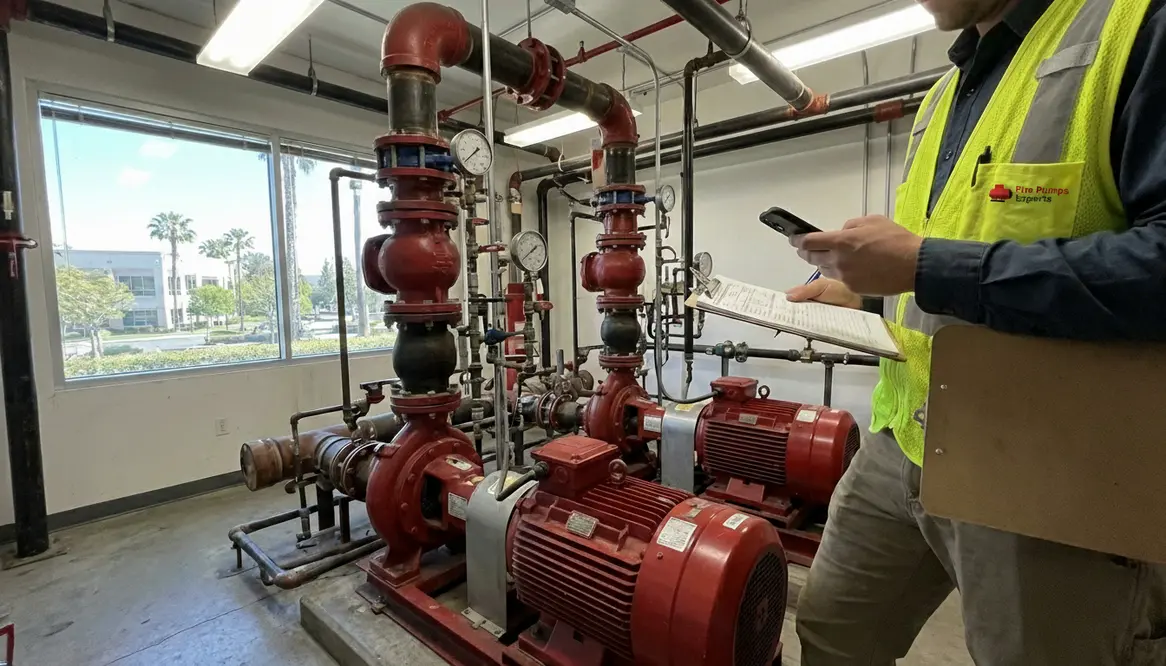
Fire Pump Testing Campus Irvine Guide
I have spent years walking through sprawling commercial properties in Southern California, and I can tell you this much. When it comes to fire pump testing campus Irvine, nothing is ever as simple as it looks on paper. Multi building campuses bring scale, complexity, and just enough unpredictability to keep even seasoned professionals on their toes. And while the job is serious, I have learned that a little humor helps when you are staring at a maze of pipes that looks like it was designed by a caffeinated engineer binge watching sci fi.
So let me walk you through what really happens behind the scenes, and why testing fire pump systems across large campuses in Irvine demands more than just checking boxes.
Why multi building campuses change the game
First, scale shifts everything. A single commercial building has a contained system. However, a campus introduces multiple structures, each with its own demand profile, pressure requirements, and sometimes even different installation eras. As a result, consistency becomes a moving target.
Moreover, water supply coordination becomes a delicate dance. One building pulling too much during testing can affect another. I have seen situations where one test quietly sabotaged another across the property. It is like trying to run multiple streaming services on hotel WiFi. Something is going to buffer.
Because of this, I approach every campus as a living system. Each component matters, and timing becomes just as critical as the equipment itself.
fire pump testing campus Irvine logistics that keep me up at night
Now let us talk logistics. This is where things get interesting. In Irvine, large commercial campuses often operate around the clock. Therefore, scheduling tests is not just about availability. It is about minimizing disruption to operations that cannot pause.
Additionally, access can be surprisingly tricky. Mechanical rooms hide in basements, behind locked service corridors, or in places that feel like they were designed to keep people out. I once joked that finding a pump room required a treasure map and a flashlight.
Then there is coordination with facility managers, safety officers, and sometimes multiple stakeholders across buildings. Everyone needs to know what is happening and when. Otherwise, alarms trigger, confusion spreads, and suddenly you are the villain in someone else’s workday.
Common logistical hurdles
- Limited testing windows during business hours
- Shared water infrastructure across buildings
- Restricted access points
- Noise concerns during pump operation
How I handle them
- Staggered testing schedules
- Clear communication plans
- Pre site walkthroughs
- Coordination with on site teams
How do I ensure accurate results across multiple systems?
This is the question I hear most often, and the answer is both technical and practical. Accuracy depends on consistency. Therefore, I standardize testing procedures across all buildings while still accounting for their unique characteristics.
For example, I calibrate gauges carefully and verify flow readings under controlled conditions. Meanwhile, I monitor pressure fluctuations closely, especially when systems share supply lines. Small variations can signal larger issues.
Also, documentation becomes my best friend. Every reading, every adjustment, every observation gets recorded. It may sound tedious, but it prevents guesswork later. And in this field, guessing is about as useful as bringing a squirt gun to a fire drill.
fire pump testing campus Irvine compliance and risk management
Compliance is not just about passing inspections. It is about protecting people, assets, and operations. In Irvine, regulations are strict, and rightly so. These campuses house critical business functions, and failure is not an option.
Therefore, I align every test with national and local standards. However, I also look beyond compliance. I ask whether the system will perform under real emergency conditions. Because passing a test is one thing. Performing during a crisis is another.
Furthermore, I pay close attention to aging infrastructure. Many campuses expand over time, and older systems must integrate with newer ones. That integration often introduces hidden vulnerabilities that only show up during thorough testing.
Technology helps, but it is not a silver bullet
Modern tools have changed the game. Digital monitoring, remote sensors, and automated reporting all make testing more efficient. However, technology does not replace experience. It enhances it.
I still rely on physical inspections and hands on verification. Sensors can miss things. Data can mislead if taken out of context. And sometimes, you just need to hear the pump run to know something is off. It is a bit like recognizing a familiar voice. You know when it sounds wrong.
That balance between technology and human judgment keeps the process grounded and reliable.
FAQ quick answers for busy facility managers
What makes campus fire pump testing more complex?
Multiple buildings share systems, which creates coordination and pressure balancing challenges.
How often should fire pumps be tested?
Weekly churn tests and annual flow tests are standard for commercial properties.
Can testing disrupt business operations?
Yes, but careful scheduling and communication minimize impact.
What is the biggest risk during testing?
Unexpected pressure drops or system interference between buildings.
Do all buildings need separate tests?
Yes, each system must be evaluated individually even if they share infrastructure.
Bringing it all together
In the end, working on large campuses in Irvine feels a bit like conducting an orchestra. Every system has its role, and timing is everything. When it all comes together, the result is smooth, reliable performance that you can count on when it matters most.
If you manage a commercial or industrial campus and want confidence in your system, now is the time to act. Let us handle the complexity, coordinate the details, and deliver testing that goes beyond compliance. Reach out today and make sure your fire protection stands ready, not just on paper, but in reality.
Getting help with fire pump testing campus Irvine
If you are staring at a campus map that looks more like a puzzle than a property plan, you are not alone. Coordinating fire pump testing campus Irvine across multiple buildings, expansions, and retrofit projects can quickly turn into a full time job. The right partner helps you untangle that complexity, keep inspections on schedule, and document everything clearly for your AHJ and insurance providers.
From staging tests around tenant operations to handling shared water infrastructure, the focus should be on protecting people and keeping your business running. A structured, campus wide testing plan for fire pump testing campus Irvine pulls all those pieces into one coordinated approach instead of a scattered series of one off visits that never quite tell the full story.