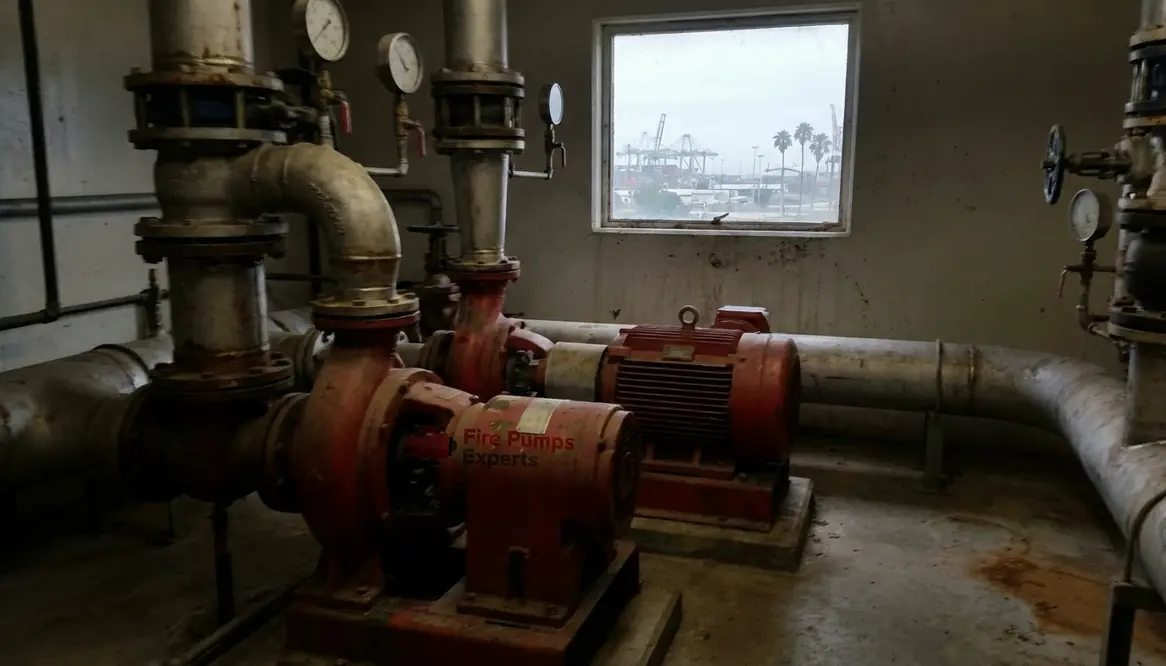
Fire Pump Air Entrapment Long Beach Guide
I have spent years around fire protection systems, and I can tell you this with calm certainty: few issues are as quietly disruptive as fire pump air entrapment Long Beach installations face. It does not roar like a failing motor or flash like an alarm panel. Instead, it lingers. Air pockets sit in the system like uninvited guests at a board meeting, doing nothing productive and quietly sabotaging performance. In a city like Long Beach, where large commercial and industrial facilities depend on reliable fire protection, that is a risk I never take lightly.
What Causes Air Entrapment in Fire Pump Systems
Let me walk you through it in plain terms. Air enters a fire pump system when something disrupts the smooth, continuous flow of water. That disruption can come from poor piping design, faulty suction conditions, or even improper system filling during commissioning.
Now, in coastal environments like Long Beach, conditions add their own twist. Temperature changes, system cycling, and even minor vacuum conditions can pull air into the lines. Moreover, if the suction piping is not airtight, air seeps in slowly, like a slow leak in a tire you keep pretending is fine.
As a result, those air pockets collect at high points in the system. And just like that one coworker who never answers emails, they block efficiency without making a scene.
Why Fire Pump Air Entrapment Long Beach Systems Struggle More
Long Beach presents a unique combination of challenges. First, many commercial and industrial properties here are large scale facilities with complex piping layouts. The longer and more intricate the system, the more opportunities air has to settle in.
Additionally, aging infrastructure plays a role. I have seen systems installed decades ago that were never designed with modern demand in mind. Over time, even minor imperfections grow into major inefficiencies.
Then there is the coastal factor. Salt air does not just affect the exterior of buildings. It contributes to corrosion in components, which can compromise seals and allow air intrusion. Therefore, when I evaluate a system in Long Beach, I always assume air entrapment is not just possible, but likely.
How Do I Know If Air Is Trapped in My Fire Pump System
I get this question often, and thankfully, the signs are not subtle once you know where to look.
If a fire pump struggles to maintain pressure, or if you notice erratic gauge readings, that is a strong indicator. In addition, unusual vibrations or noise during operation often point to air pockets moving through the system.
Sometimes, the pump may even lose prime. And when that happens, it is not being dramatic. It is telling you something is wrong.
Key warning signs you should never ignore
- Fluctuating pressure levels
- Delayed water delivery during testing
- Unusual sounds that were not there before
- Reduced overall system efficiency
Ignore these signs, and you are essentially trusting your fire protection system to perform while it is already compromised. That is a gamble I would not recommend.
Prevention Strategies That Actually Work
Now we get to the part where I sound like the calm voice in a movie right before things go wrong. Prevention is everything.
First, proper system design matters. I always emphasize eliminating unnecessary high points in piping where air can collect. If those high points are unavoidable, installing automatic air release valves becomes essential.
Second, commissioning must be done correctly. Filling the system slowly and venting air at strategic points prevents pockets from forming in the first place.
And just as importantly, routine maintenance keeps small issues from becoming system failures. Because in my experience, air entrapment is rarely a one time event. It is a pattern.
Design focus
- Minimize elevation changes
- Use proper suction piping layout
- Install air release valves
Maintenance focus
- Inspect seals and joints regularly
- Test pump performance under load
- Monitor pressure consistency
Think of it like maintaining a classic car. Ignore the small noises, and eventually you are stranded on the side of the road. Except here, the stakes are much higher.
Fixing Entrapped Air Without Disrupting Operations
When I address fire pump air entrapment Long Beach facilities deal with, I focus on precision. Large commercial and industrial properties cannot afford extended downtime, so every step must be deliberate.
First, I identify where the air is collecting. That often involves pressure testing and system observation during operation. Once located, I use manual or automatic venting methods to release the trapped air.
In some cases, modifications are necessary. That could mean adjusting piping, improving sealing, or upgrading components that no longer meet performance demands.
And yes, sometimes it feels like playing detective. But unlike a crime show, there is no dramatic reveal. Just a quiet return to proper system function. Honestly, it is more satisfying than it sounds.
FAQ About Fire Pump Air Entrapment
Fire pump air entrapment Long Beach properties struggle with is not a niche problem. It shows up in new systems, old systems, and especially in those that have not had a thoughtful inspection in years. These are the questions I hear most often.
Conclusion
If you manage a commercial or industrial property, addressing air issues early is not optional. I have seen how fire pump air entrapment Long Beach systems encounter can quietly compromise safety. Take action now. Schedule a professional evaluation, correct design flaws, and maintain your system with intention. Because when a fire pump is needed, it should perform without hesitation, without noise, and without air getting in the way.
If you are not sure where to start, begin with a documented performance test and a full review of your suction and discharge piping. From there, tighten up the details: air release, venting strategy, and a maintenance plan that treats reliability as a requirement, not a luxury. For additional technical guidance and standards references, one useful resource is https://firepumps.org, which offers in depth material on fire pump behavior and performance.