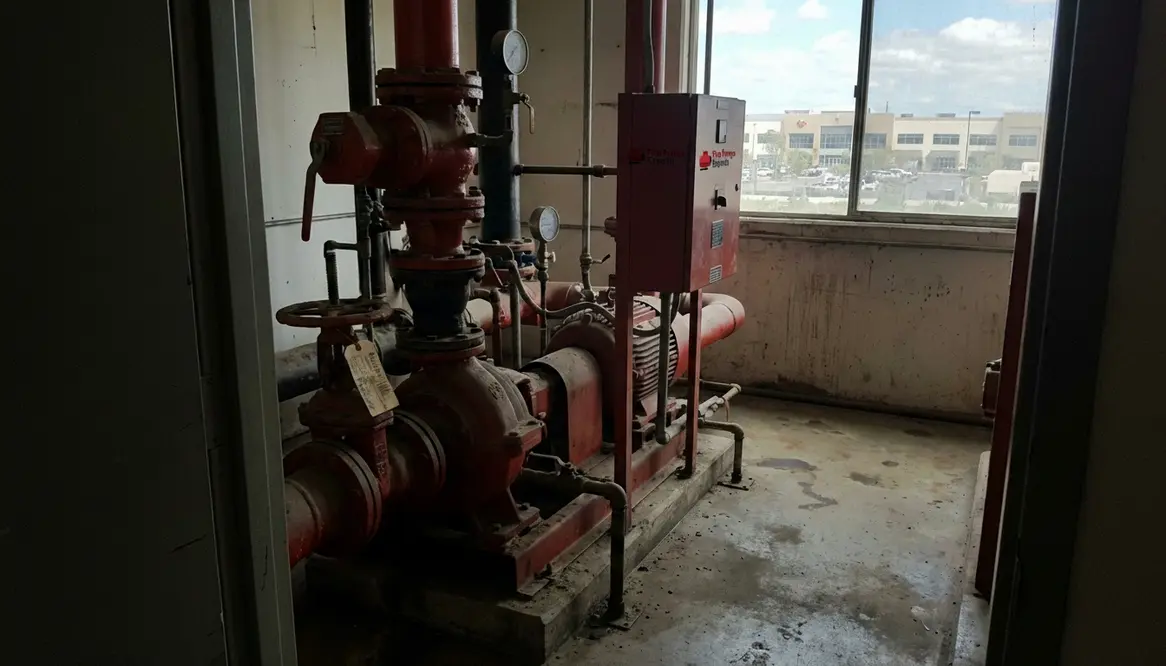
Fire Pump Curve Drift Anaheim Prevention Guide
I have spent years around pump rooms that hum like quiet engines of safety, and if there is one topic that keeps coming back like a sequel nobody asked for, it is fire pump curve drift Anaheim. It sounds technical, maybe even a little dry, but trust me, this is where reliability either holds the line or slowly slips away. And in long term commercial and industrial installations across Anaheim, that slow drift can quietly turn a dependable system into a liability.
So let’s talk about what really happens over time, why it matters, and how I keep it from turning into a late night emergency call that nobody enjoys.
What is fire pump curve drift and why should I care in Anaheim facilities?
Let me put it plainly. A fire pump curve shows how a pump performs under different flow and pressure conditions. When that curve shifts over time, performance no longer matches the original design. And yes, that matters more than most people think.
In Anaheim’s large scale facilities, where systems run for years with minimal interruption, small changes add up. Wear on impellers, internal corrosion, and even subtle motor degradation all play a role. As a result, the pump may still run, but not in the way it was designed to protect the building.
And here is the kicker. The system will not announce this decline with flashing lights and dramatic music. It quietly underperforms. Think of it like an aging action hero who still shows up, but maybe cannot quite outrun the explosion anymore.
How does curve drift develop over long term installations?
Over time, mechanical systems change. That is just reality. However, in fire protection, we do not get the luxury of ignoring that change.
First, internal wear slowly alters hydraulic efficiency. Then, mineral buildup or corrosion affects flow paths. Meanwhile, seals and bearings lose their original precision. Consequently, the pump begins operating off its intended curve.
In Anaheim, water quality and environmental conditions can accelerate this process. Additionally, systems that are rarely tested under full load tend to hide these shifts longer. So while everything looks fine on paper, the actual performance tells a different story.
I have seen pumps that passed routine checks yet failed to meet required flow during real testing. That is not just inconvenient. That is risk.
Signs your fire pump performance is drifting
I always tell facility managers that the system whispers before it fails. You just have to listen.
Signals you should not ignore
Watch for these signals:
- Pressure readings that slowly trend lower during testing
- Increased vibration or unusual noise
- Longer ramp up times to reach rated performance
- Flow test results that no longer match baseline data
Moreover, if your historical test logs show gradual deviation, that is not random noise. That is a pattern. And patterns in fire protection deserve attention.
Because when a fire event occurs, the system does not negotiate. It either delivers or it does not.
Fire pump curve drift Anaheim challenges in large commercial systems
Now let’s talk specifically about Anaheim and its commercial and industrial landscape. These are not small systems. We are dealing with high demand environments like distribution centers, manufacturing plants, and multi story complexes.
In these settings, demand profiles can shift over time. Renovations, expansions, or changes in occupancy all influence system requirements. However, the pump does not automatically adjust.
Additionally, long piping networks introduce friction loss changes as they age. So even if the pump stayed perfect, the system around it evolves. Combine that with actual pump wear, and you get compounded drift.
It is a bit like upgrading your home theater but keeping the same old wiring. At some point, something bottlenecks.
Where fire pump curve drift Anaheim shows up in the real world
What I often see:
- Original design assumptions no longer match current usage
- Pumps operating outside optimal efficiency zones
- Testing that checks boxes but misses deeper analysis
What should happen instead:
- Periodic curve verification against original data
- Full flow testing under realistic demand
- Performance trending over time, not just pass or fail
How I address and correct performance drift
Fixing drift is not about guesswork. It is about data, consistency, and a willingness to look deeper than surface level inspections.
First, I compare current performance to the original pump curve. Then, I analyze deviations at multiple flow points. This tells me whether the issue is mechanical, hydraulic, or system related.
Next, I look at components. Impellers, wear rings, and motors often reveal the story. Sometimes the solution is refurbishment. Other times, recalibration or system adjustment is the smarter move.
Importantly, I do not rely on a single test. Trends matter. Therefore, ongoing monitoring becomes part of the strategy. Because once you understand how the curve is shifting, you can predict where it is heading.
And honestly, predicting problems before they show up is a lot more fun than explaining them afterward.
Can regular testing actually prevent long term drift?
Short answer, yes. Long answer, only if it is done right.
Routine churn tests alone will not reveal curve drift. They are like checking your car’s headlights and assuming the engine is fine. Instead, comprehensive flow testing is essential.
Moreover, consistent documentation builds a performance history. That history becomes your early warning system. So rather than reacting to failure, you stay ahead of it.
In Anaheim’s high value properties, that proactive approach is not just smart. It is expected.
Why fire pump curve drift Anaheim needs focused attention
Across Anaheim’s commercial corridors, long term installations often share the same quiet issue: performance that has strayed from the original design. That is why fire pump curve drift Anaheim is not just a technical phrase; it is a recurring theme in real inspections, real test results, and real retrofits.
From logistics hubs near major freeways to older industrial campuses that have grown in phases, the common thread is time. Systems age, demands change, and without deliberate tracking, the curve drifts just far enough to matter when it counts most.
That is why any long range maintenance strategy for high value properties in the city should call out fire pump curve drift Anaheim as a specific risk to monitor, trend, and correct before it turns into a headline or a hard lesson learned.
FAQ
Below are some of the questions that come up again and again during walkthroughs and pump room conversations.
Keep your system honest and ready
If there is one thing I have learned, it is this. Fire protection systems do not fail all at once. They drift, inch by inch, until the day they are truly needed. So if you are managing a commercial or industrial property in Anaheim, now is the time to take a closer look. Let’s evaluate performance, track the data, and keep your system exactly where it needs to be. Because when it comes to safety, close enough is never enough.
If you want a deeper technical breakdown of performance curves, system behavior, and testing approaches beyond the basics, you can find additional resources at https://firepumps.org and use that knowledge to push your maintenance program past “good enough” and into “ready when it counts.”