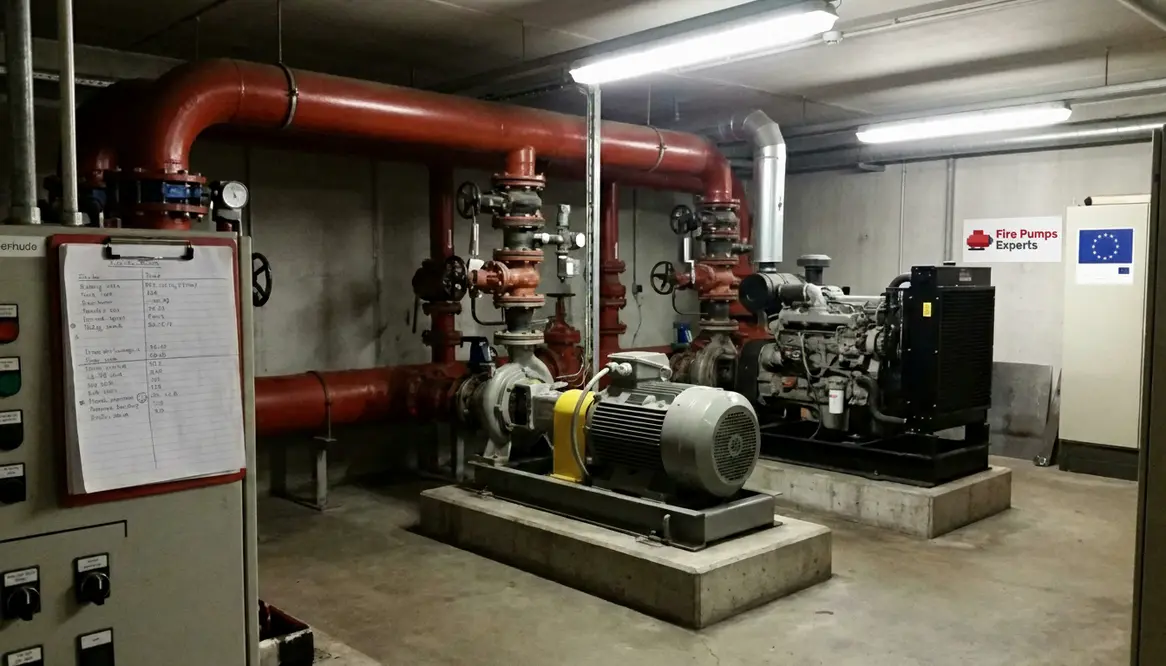
Airport Fire Pump Europe Design for Safety
Quiet infrastructure rarely gets applause, but at the heart of every resilient airport fire pump Europe installation sits a design that refuses to fail. Airports are not just buildings. They are living ecosystems of fuel, pressure, movement, and risk. When the focus is fire pump design for European airport infrastructure, it is not about pipes and valves alone. It is about timing, reliability, and that one moment where everything must work exactly as planned. No drama. No second takes. Just results.
It may sound like the least glamorous part of aviation, but this is the backstage crew that keeps the show from turning into a disaster movie. Think less Top Gun, more quiet engineer with a clipboard saving the day.
What makes airport fire pump design in Europe unique
European airports operate under layered regulations, and as a result, fire pump systems must meet both EU wide standards and local authority requirements. Systems are designed with EN standards in mind, but also with country specific enforcement. That combination keeps things interesting.
Airport environments also demand redundancy. A single pump setup is never enough. Robust airport fire pump Europe configurations use electric pumps, diesel backups, and sometimes jockey pumps, all playing a role in keeping water moving even when components fail.
Water supply variability across regions forces constant adaptation. In some areas, high pressure municipal feeds are available. In others, storage based systems act like a private reservoir. Either way, the goal is consistent flow, because fire does not care about regional infrastructure limitations.
Key regulatory layers shaping design
- EN standards for fire protection and pump performance
- National building codes and fire safety regulations
- Airport specific rules driven by aviation authorities
- Insurance and risk engineering recommendations
How do I design for large scale airport risks?
It starts with fuel. Jet fuel changes everything. Fires burn hotter, spread faster, and demand higher flow rates. Demand is calculated not just for terminals, but also for hangars, fuel farms, and maintenance zones where concentrated risk lives.
Next comes risk mapping. Not all areas carry the same hazard level. A baggage handling area does not need the same intensity as a refueling apron. Pump output and pressure zones are tailored to each hazard category.
Response time is a final, critical layer. European regulations often require rapid system activation, so the pump design must deliver water instantly, not eventually. In this environment, seconds are not dramatic. They are decisive.
Risk lenses for airport fire pump Europe planning
- Fuel exposure: aprons, refueling points, fuel farms
- Occupancy: terminals, lounges, high density public zones
- Critical operations: control towers, data centers, baggage systems
- Asset concentration: hangars with multiple aircraft
- Access constraints: remote stands and hard to reach areas
Layering these views produces a design that channels water and pressure exactly where risk peaks, without oversizing everything blindly.
Core components I prioritize in every system
When building out a system, reliability comes first, elegance second. A beautiful design that fails under pressure is just expensive art.
Here is what never gets compromised:
- Pump capacity matched to peak fire demand, not average use
- Redundant power sources to avoid single point failures
- Advanced control panels that allow real time monitoring
- Durable materials that handle corrosion and long duty cycles
Smart diagnostics are now integral. Modern airport fire pump Europe systems benefit from predictive maintenance tools that alert operators before something goes wrong. It is like having a crystal ball, but with fewer mystical robes and more data.
Balancing efficiency and compliance across European airports
There is always a tension between efficiency and strict compliance. Airport operators want cost effective systems. Regulators demand rigorous adherence to safety codes.
Design responds to both. Pipe layouts are optimized to reduce friction loss, lowering energy demand, while every component still meets certification standards.
Close collaboration with authorities having jurisdiction is essential. Early coordination prevents costly redesigns later. Nothing ruins a timeline faster than realizing the pump room does not meet clearance requirements after construction begins.
Practical ways to keep both sides happy
- Use standardized, certified components to speed approvals
- Route mains efficiently to minimize pump head and energy use
- Design pump rooms with generous access and clear labeling
- Document assumptions, calculations, and test procedures clearly
- Engage fire authorities in reviews before finalizing layouts
The reward is a system that passes inspection cleanly and operates with less energy and fewer headaches.
Two perspectives I always balance in design
Operational reality
The people running the system matter. Can they access components easily? Will maintenance shut down operations? Usability is non negotiable, because even the best system fails if it is too complex to manage.
Emergency performance
Worst case scenarios shape the backbone of the design. Multiple incidents, peak demand, and system stress are all assumed. In those moments, the system must go right when everything else goes wrong.
Somewhere between these two perspectives, the design finds its strength. When the work has been done well, no one notices it at all. In this line of work, that is the highest compliment.
Technology shaping the next generation of fire pumps
Things are changing. Slowly, but meaningfully. Digital monitoring, remote diagnostics, and automated testing are becoming standard in large European airports.
Systems now run self checks and report performance in real time, reducing manual inspections and improving reliability. Variable speed drives help fine tune performance, cutting energy waste without compromising output.
It may sound like a small upgrade, but it is the difference between reactive maintenance and proactive control. It is similar to upgrading from a flip phone to a smartphone. Both make calls, but one does a lot more when it matters.
For airports investing in a future ready airport fire pump Europe strategy, integrating these tools early reduces lifecycle costs and raises confidence long before the first emergency call ever happens.
FAQ about airport fire pump systems in Europe
A few questions always surface when planning, upgrading, or auditing airport fire pump Europe installations across the continent.
For deeper technical references and global guidance on fire pump practice, resources like https://firepumps.org can support local design and regulatory work.
Final thoughts on building systems that never fail
Designing for airports across Europe has reinforced one simple truth: reliability is not optional. It is everything. When planning or upgrading an airport fire pump Europe system, the real advantage lies in working with specialists who understand scale, compliance, and real world risk.
The right design does more than meet standards. It quietly protects lives, assets, and operations every single day, without asking for attention. If the system performs exactly as expected in the one moment it is truly needed, the investment has already paid for itself.
Reach out, challenge assumptions, ask uncomfortable questions, and insist on clear calculations. In the background of every safe departure and arrival, there should be a fire pump installation built to perform when it matters most.