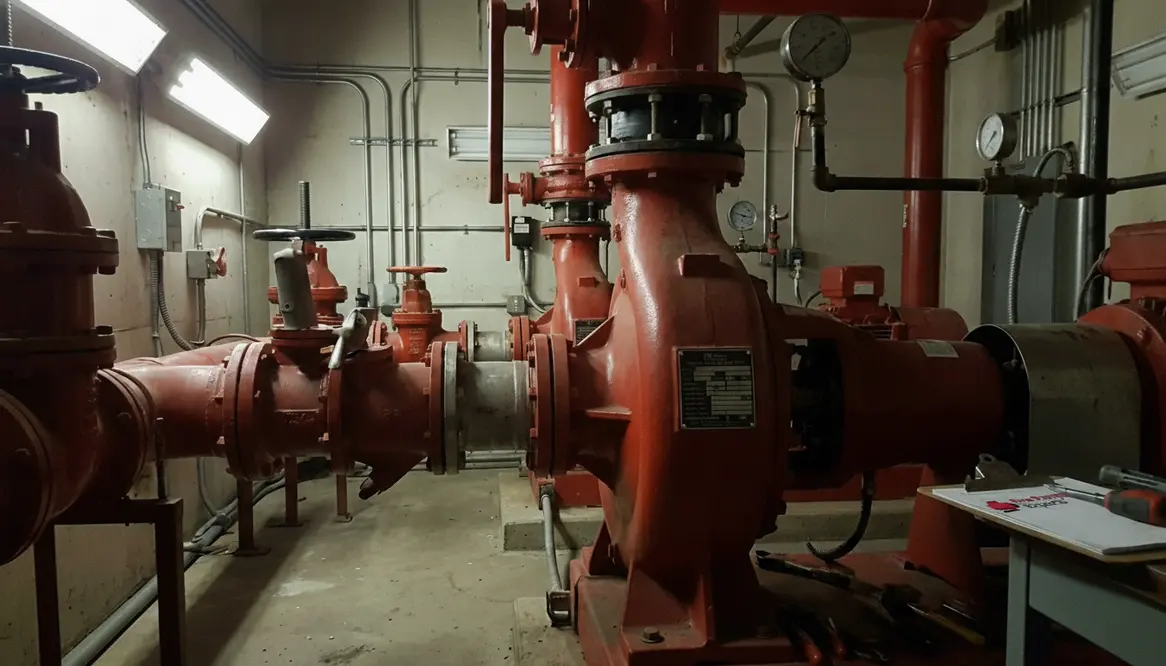
LPS 1131 End Suction Pump Requirements Guide
LPS 1131 End Suction Pump Requirements: What I Focus on for Commercial and Industrial Fire Protection
When I look at LPS 1131 end suction pump requirements, I see more than a checklist. I see the backbone of reliable fire protection for commercial and industrial sites. In plain terms, this standard helps make sure an end suction pump can do its job when a fire system needs water fast and steady. For major property buildings, warehouses, plants, and other large facilities, that matters a great deal. After all, fire pumps are not glamorous, but neither is a sprinkler system that has nothing to drink. So, I keep my eyes on the details, because the details keep people, property, and operations safer.
What I Look For First In LPS 1131 End Suction Pump Requirements
I always begin with the pump’s basic performance and build quality. The standard expects the pump to suit fire duty, not general water transfer. That means I look for dependable flow, strong pressure, and stable operation across the working range. I also check that the pump matches the fire protection design, because a pump that looks impressive on paper but fails in real use is about as useful as a superhero with a broken cape.
Just as important, I confirm that the pump has proper materials, shaft support, and a sound casing design. These parts help the unit handle long service life and hard use. In large commercial and industrial buildings, the pump must support the system without drama. Fire protection should feel boring in daily life. That is the goal. Calm, quiet, ready.
How I Check The Pump Design And Installation Details
Next, I move to the design and installation side. LPS 1131 end suction pump requirements focus on correct alignment, secure mounting, and clear access for inspection and service. I always want enough room around the pump so teams can test it, fix it, and reach key parts without turning the pump room into a puzzle level from a video game.
Design And Installation Areas At A Glance
Design area
- Proper pump size for the system demand
- Rated duty point that matches hydraulic calculations
- Stable suction conditions across expected flows
Installation area
- Firm base with proper grouting
- Correct pipe support to avoid strain on the pump
- Clean access to valves, gauges, and controls
Moreover, I pay close attention to suction piping. The pump needs smooth flow into the inlet, because poor suction can cause trouble fast. Air leaks, bad pipe layout, and unnecessary bends can all hurt performance. Therefore, I treat the pipe run with the same respect I give the pump itself. A strong pump can still lose the day if the piping acts like it is auditioning for chaos.
Why Testing And Performance Checks Matter
I never trust a fire pump by appearance alone. LPS 1131 end suction pump requirements place real value on testing, and I agree with that approach. I want proof that the pump can start, run, and hold the needed performance under test conditions. This includes checking flow, pressure, and operating stability. If a pump shakes, drops pressure, or struggles during a test, I want to know before a real emergency shows up uninvited.
Regular testing also helps me spot wear early. Over time, seals, bearings, and alignment can drift. That is normal, but it still needs attention. In commercial and industrial facilities, downtime costs money, and fire protection downtime costs even more. So, I treat testing as both a safety task and a business decision. That is the kind of math that keeps everyone awake in a good way.
Key Testing Practices I Rely On
- Confirm automatic and manual starting
- Measure flow and pressure at multiple points on the curve
- Record vibration, noise, and temperature changes
- Verify controller function and alarm reporting
- Compare results with previous test records
Maintenance Steps I Use To Keep Compliance Strong
After installation and testing, the work does not stop. Ongoing care keeps the pump ready. I look at seals, bearings, coupling condition, vibration, and visible leaks. I also check that the pump room stays clear, dry, and easy to reach. Dust, heat, and clutter can cause problems sooner than people expect. The pump room should not become a storage closet for forgotten boxes and misplaced hope.
To keep things simple, I use a routine that stays steady throughout the year:
- Inspect the pump and piping for leaks or damage
- Confirm starting and running performance during tests
- Check electrical and control parts for proper operation
- Review vibration, noise, and signs of wear
- Keep records so trends show up before failure does
Also, I find that good documentation helps a lot. It gives me a record of what changed, when it changed, and why it matters. That makes audits easier and repairs faster. In a large facility, that kind of clarity saves time and stress. And honestly, fewer headaches is a lovely thing.
Where I Apply LPS 1131 In Commercial And Industrial Facilities
I use LPS 1131 end suction pump requirements as a guide for major properties where fire protection must stay dependable. That includes warehouses, logistics sites, manufacturing plants, business parks, and large commercial buildings. These places often depend on a fire pump to support sprinkler systems, hose systems, or both. So, I look for a setup that fits the site’s risk, water demand, and service plan.
Linking LPS 1131 Requirements To Real‑World Planning
For a deeper look at practical fire pump support for major sites, I often recommend reviewing commercial fire pump compliance guidance such as the material at https://firepumps.org as part of the broader planning process. It helps tie the pump choice to the building’s real needs. And that matters, because the right pump in the wrong setting can still miss the mark. As Gandalf might say, not all who wander into a pump room are prepared.
How LPS 1131 Requirements Support Long‑Term Reliability
In practice, LPS 1131 requirements help keep everyone honest about what a fire pump must do day after day. They push for pumps that are more than catalog highlights. They favor equipment that can start under pressure, keep running through lousy weather, and deliver water when every second feels loud. That is why I keep circling back to the standard whenever a design meeting, risk review, or upgrade project starts drifting toward shortcuts.
When I review a system, I walk through the LPS 1131 requirements like a narrative: how the water reaches the pump, how the pump is built, how it is installed, how it is tested, and how it is maintained. If any chapter feels weak, the story of that fire protection system ends badly. So I fix the chapter before the plot twist arrives with smoke and sirens.
FAQ
Conclusion
I treat LPS 1131 end suction pump requirements as a practical path to safer, stronger fire protection for major properties. If you manage a commercial or industrial facility, now is the time to review your pump setup, testing plan, and maintenance routine. Do not wait for a problem to make the decision for you. Build confidence now, check the system carefully, and keep your fire protection ready for the moment it must perform.