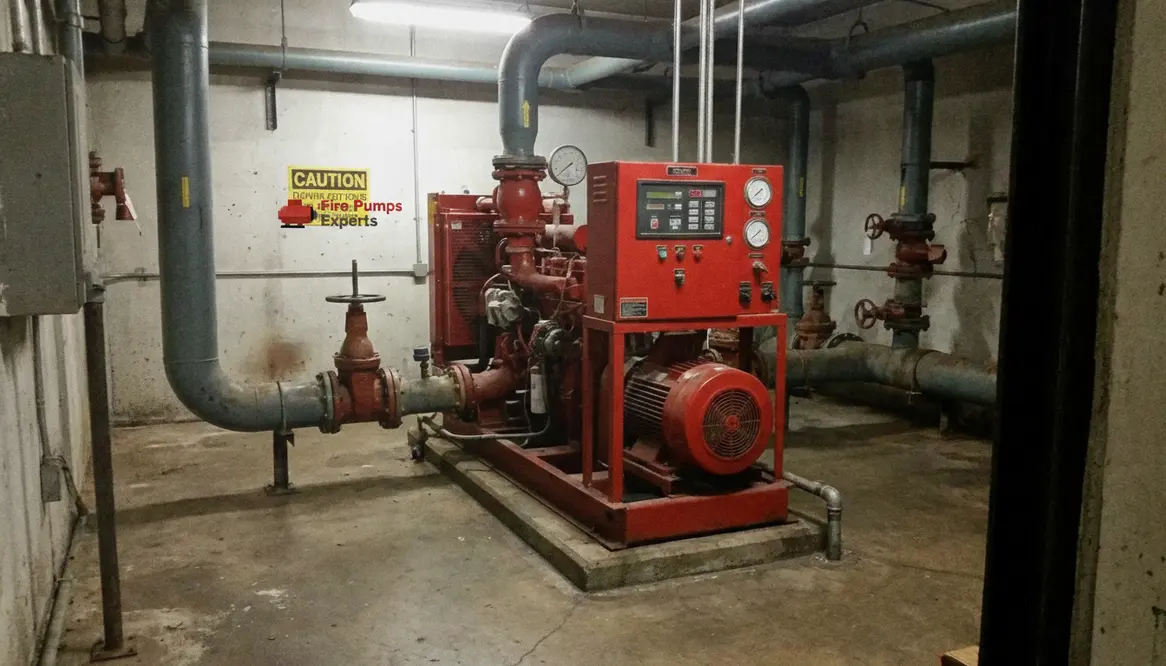
LPS 1131 Pump Approval for EN 12845 Systems
I work with fire protection systems, and I have learned one thing the hard way: when a sprinkler system needs to perform, “close enough” is not a plan. That is why LPS 1131 approval matters so much for EN 12845 systems. It gives me confidence that the pump has been tested for real fire duty, not just dressed up for the brochure. In commercial and industrial buildings, and in major property sites, that level of trust is not a nice extra. It is the whole game.
In this article, I will walk through what the approval means, why it matters, how I look at pump selection, and where it fits into a full fire protection setup. And yes, I will keep it practical, because nobody needs a fire pump explanation that sounds like a tax seminar in a bad suit.
What LPS 1131 approval means for EN 12845 systems
LPS 1131 approval is a strong sign that a fire pump meets strict performance and quality checks for sprinkler use. When I look at a pump for EN 12845 systems, I want proof that it can do the job under pressure, with the right flow, and without drama. That standard matters because EN 12845 sets the rules for fixed firefighting systems in many commercial and industrial settings.
So, what do I want from this approval? I want clear evidence that the pump has been tested for reliability, durability, and stable output. I also want the approval to support the wider system design, not fight against it like a bad movie sequel nobody asked for.
Sites where the approval really earns its keep
- Commercial offices that need dependable life safety protection
- Warehouses and logistics sites where fire load can rise fast
- Industrial plants with high risk processes and critical downtime costs
- Large residential style developments that still need robust fire protection for shared areas and plant rooms
In short, the approval helps me separate serious fire pumps from simple marketing noise.
Why this standard keeps turning up in real projects
In many of the commercial and industrial jobs I see, insurers, consultants, and risk engineers expect to see LPS 1131 approval listed in the fire pump documentation. They know that when a system is built around EN 12845, shortcuts on the pump are a false economy. If the heart of the system fails, the rest of the design becomes an expensive decoration.
That is why I look for consistent references to LPS 1131 approval through the specification, data sheets, and commissioning records. When those pieces line up, the whole picture of fire protection looks cleaner and far more defensible.
How I choose a pump for an EN 12845 sprinkler system
When I choose a pump, I do not start with the brand name. I start with the system need. First, I check the required flow and pressure. Then I look at the water supply, the demand from the sprinkler design, and the building risk level. After that, I compare pump curves, driver type, and testing support.
Quick comparison checklist
What I check
- Duty point
- Driver type
- Materials and build quality
- Testing records
Why it matters
- Duty point shows if the pump can meet the system demand
- Driver type affects performance, backup, and maintenance
- Materials and build quality affect service life in real conditions
- Testing records help confirm the pump can perform as approved
As a result, I can match the pump to the site instead of forcing the site to fit the pump. That is the kind of logic that keeps headaches low and safety high.
Seeing the pump as part of a chain
I also look at how the pump fits into the full system. For example, if the site has a diesel driven pump, I check fuel supply, ventilation, battery health, and room layout. Meanwhile, if the site uses electric drive, I check the power source and backup path. A pump is never just a pump. It is part of a chain, and a chain is only as strong as the weakest link. That sounds dramatic, but fire does not care about drama, so I do.
Why approved pumps matter in commercial and industrial sites
In my view, the biggest reason to use approved pumps is simple: they reduce risk. A commercial or industrial site can lose money, time, and trust very fast when fire protection fails. And if the building is a major property, the impact can spread to tenants, staff, operations, and insurers. Nobody wants that kind of surprise. Not even on a Monday.
LPS 1131 approval helps me feel confident that the pump has gone through a proper review. It also helps with design approval, project sign off, and long term maintenance planning. When a pump is approved for the job, I can show that the system choice follows a clear standard, which makes life easier for everyone from consultants to facility managers.
Design, sign off, and compliance
There is also a practical side. Approved pumps often support smoother inspection and testing because their performance basis is already known. That does not remove maintenance, of course. No magic wand here. But it does give me a cleaner path for ongoing checks and service planning.
When LPS 1131 approval appears clearly in the documentation, conversations with insurers and authorities become more focused on real risk rather than arguing over whether the hardware is up to the job.
Performance when it actually matters
In a fire, nobody stands in the pump room admiring the paint finish. The only questions that matter are simple: does the pump start, does it stay running, and does it hit the needed flow and pressure for the EN 12845 design? Using an LPS 1131 approval pump stacks the odds in favor of all three answers being “yes”.
That is why I keep coming back to this standard when I work on larger commercial and industrial jobs where the cost of failure would be measured in more than just repair invoices.
What I look for in testing, service, and long term reliability
A pump approval means little if the site ignores maintenance. I always treat the installed system as a living asset. It needs regular checks, proper records, and quick action when something looks off. A sprinkler pump may sit quietly for long stretches, but when it wakes up, it needs to work like it means business.
My core checklist for approved EN 12845 pumps
- Routine flow and pressure testing
- Weekly or scheduled inspection of drivers and controls
- Room temperature, access, and ventilation checks
- Fuel, power, and alarm verification where relevant
- Clear records for audits, insurers, and site teams
Because of that, I focus on the full lifecycle, not just the purchase stage. A well approved pump can still perform badly if nobody cares for it. That is true in fire protection and, honestly, in most parts of life. The best tools still need a responsible owner.
Linking equipment, risk, and service
When I help with commercial and industrial fire pump planning, I also want the supplier to understand the site type and the risk profile. The best results come when the equipment, design, and service plan all move in the same direction. For more detail on system support and fire pump solutions for large properties, I would point readers to professional fire pump services for commercial and industrial buildings as a useful reference point.
Done well, this means the project can show a clear thread: EN 12845 design, LPS 1131 approval at the pump, and a maintenance regime that keeps the whole package ready for real fire conditions.
FAQ about LPS 1131 approval and EN 12845 systems
These are the questions that come up most often when people look at EN 12845 sprinkler designs and start asking what the pump approval really does for them.
How I would move forward with approved fire pump selection
If I were planning a new EN 12845 system today, I would start with the building risk, then check the water supply, then match the pump to the design demand. After that, I would verify the approval status, confirm the service plan, and make sure the site team can support the system over time. That is the clean path, and it keeps surprises out of the control room where they belong.
For serious commercial or industrial projects, I would always expect to see LPS 1131 approval listed clearly, backed up by test data, commissioning records, and a realistic maintenance schedule. When those pieces line up, EN 12845 systems stop being just a set of drawings and become a dependable line of defense for real buildings with real people and real assets inside.
If you are weighing options for your next project, it is worth taking the time to challenge every pump choice against the same simple questions: does it meet EN 12845 requirements, does it carry LPS 1131 approval, and will the site be able to keep it in good shape once the project team has moved on? If the answer is yes to all three, you are heading in the right direction.