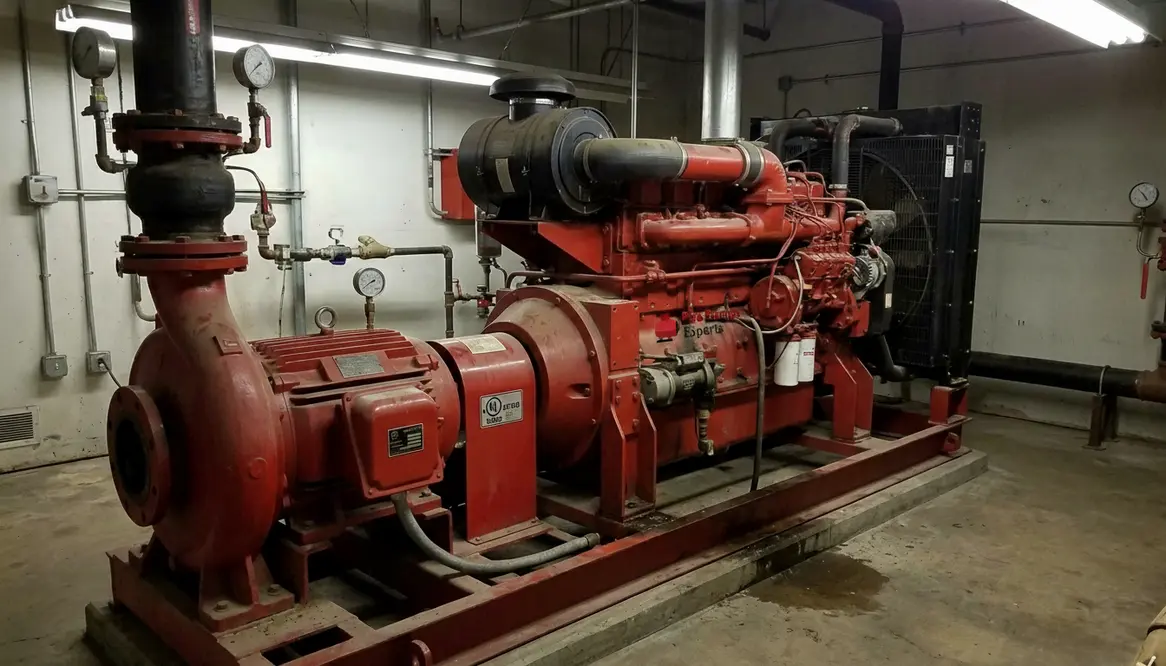
UL Listed Diesel Fire Pump Drivers for Commercial
I have seen plenty of fire protection topics try to sound dramatic, but this one earns it on its own. UL diesel fire pump drivers sit at the center of serious fire protection for commercial and industrial buildings, where water pressure cannot be left to chance. In plain terms, I am talking about the engine that keeps a fire pump running when the power is gone and the stakes are high. That matters in warehouses, high rise properties, manufacturing plants, and other major facilities where a weak response can turn into a very expensive disaster. And yes, nobody wants a fire safety plan that acts like a phone battery at 2 percent.
What UL Listed Diesel Fire Pump Drivers Do
A UL Listed diesel fire pump driver powers the pump that boosts water flow during a fire emergency. I like to think of it as the backup player who suddenly has to carry the whole game. When electric power fails, the diesel engine takes over and keeps the pump ready to deliver water fast.
Because commercial and industrial properties face high risk and large coverage areas, this driver must perform with consistency. UL listing means the unit has been tested to meet strict safety and performance standards. That gives facility teams more confidence, and honestly, confidence is not just a nice bonus when flames are involved.
The driver usually works with a fire pump system that supports sprinklers, standpipes, or other fire protection equipment. As a result, it helps protect people, assets, operations, and the building itself. In a major property, that can mean the difference between a quick response and a very bad day.
Why UL Diesel Matters for Commercial Facilities
When I look at diesel fire pump drivers, I focus on reliability first. Commercial and industrial sites often depend on large electrical loads, complex layouts, and long operating hours. Therefore, a diesel powered fire pump driver gives the system a strong backup when the grid goes quiet.
UL diesel equipment also helps support code compliance and insurance requirements. That matters because these buildings do not get treated like small sites with light duty needs. A distribution center, hospital, data center, or factory needs a system built for real pressure, real volume, and real risk. The fire safety world does not do “close enough.”
Here is the simple version. If a facility needs fire protection that works under stress, the diesel driver has to start fast, run smoothly, and keep the pump moving. No drama, no excuses, no Hollywood slow motion scene where everyone stares at the control panel.
How I Evaluate a Diesel Fire Pump Driver
When I review a diesel fire pump driver, I look at more than the nameplate. I check the full system picture because one strong part does not save a weak setup. The right choice depends on the building size, water supply, required flow, and local code needs.
Here is what I focus on first:
Starting performance
The driver must start quickly and cleanly under emergency conditions.
Fuel system
The fuel supply must support dependable operation during a fire event.
Cooling and ventilation
The engine needs proper cooling so it can run without overheating.
Control reliability
The controller and alarms must respond as expected when conditions change.
Next, I look at maintenance access. After all, a fire pump driver that is hard to inspect becomes a problem waiting for a spotlight. Good placement, clear service access, and regular testing all support long term reliability. In addition, I want the installation to fit the building’s real operating conditions, not just a nice drawing on paper.
How UL Diesel Fire Pump Drivers Fit Into System Design
A fire pump driver does not work alone. It joins the pump, controller, water supply, power transfer setup, and building fire protection design. So, when I plan or review a system, I check how all the parts talk to each other. If one piece misbehaves, the whole plan can wobble.
For commercial and industrial facilities, this often means choosing equipment that supports heavy demand and long service life. I also pay attention to local fire codes and the expectations of the authority having jurisdiction. That step matters because a system can look great on paper and still fail the real world test if it misses the local rules.
If you want a helpful resource on system design and compliance for major properties, I recommend reviewing commercial fire pump solutions for industrial buildings. It helps keep the focus on large facilities where dependable fire protection really counts.
In short, the best system design does three things well. It protects people, it supports operations, and it gives the facility a dependable response when seconds matter. That is the whole show.
Maintenance Questions I Hear Most Often
How often should a diesel fire pump driver be tested?
I recommend following the applicable code and the facility’s maintenance plan, because regular testing keeps the system honest and proves that your UL diesel driver is ready when called.
Why does a diesel driver need fuel checks?
Fuel quality and fuel level affect starting and running performance, so I always treat fuel care as essential. Poor fuel can turn a strong UL diesel setup into a slow, reluctant starter.
Can a UL Listed driver replace routine maintenance?
No. UL listing supports confidence, but inspections and testing still keep the system ready. A UL diesel fire pump driver is only as good as the care, records, and attention it receives over time.
What buildings need these systems most?
I see them most often in commercial and industrial facilities, especially large properties with high fire risk. Warehouses, data centers, hospitals, and major manufacturing sites all benefit from a robust UL diesel driver strategy.
Does the driver need special ventilation?
Yes. Diesel engines need proper airflow and cooling to operate safely and reliably. Poor ventilation can shorten engine life, slow performance, and undercut the benefits of investing in UL diesel hardware.
Why should I care about UL listing?
Because it shows the driver has passed strict testing for fire pump use, and that is a strong baseline for trust. It supports code compliance, insurance expectations, and a higher level of assurance during an emergency.
Where do I start if my facility needs one?
Start with a fire protection review, then match the driver to the pump, code needs, and building demands. From there, confirm that the selected UL Listed diesel fire pump driver integrates smoothly into your overall protection strategy.
Why I Recommend Getting the Right Driver Now
If your commercial or industrial property depends on strong fire protection, I would not wait until a problem exposes weak equipment. A UL Listed diesel fire pump driver gives you a proven path toward dependable emergency performance, and that peace of mind is worth more than a rushed fix later. So, if you manage a major property, review your system now, confirm compliance, and make sure your fire pump driver is ready before it has to prove itself the hard way.