AS 2118 Fire Pump Testing Requirements Guide
AS 2118 Fire Pump Testing Requirements Overview
When I look at AS 2118 testing, I see more than a box ticking job. I see the pulse check that keeps a commercial or industrial fire system ready for the worst day of the year. In major properties, a fire pump is not just equipment. It is the quiet workhorse that stands by while everyone else sleeps, works, or pretends the issue will sort itself out later. It will not. That is why testing matters, and why I treat it as a serious part of building protection, not a dusty compliance chore.
In this guide, I will walk through the core fire pump testing requirements under AS 2118, what they mean in real life, and how I approach them for large facilities. If you manage a warehouse, high rise, plant, or another major site, this matters to you.
Why this guide matters
AS 2118 testing is often treated like a yearly ritual and then forgotten. For large commercial and industrial properties, it is closer to a health check on the one machine the fire system cannot live without. Getting it wrong can turn a small incident into a large disaster. Getting it right builds confidence that, when the system calls, the pump answers properly.
What AS 2118 Testing Means for Large Properties
AS 2118 testing sets the standard for checking that fire pumps perform as they should when a fire system calls on them. In plain English, I want proof that the pump starts fast, holds pressure, and delivers water where it needs to go. For commercial and industrial buildings, that is not a nice bonus. It is the whole game.
Usually, I focus on three things. First, the pump must start correctly. Second, it must run without trouble. Third, it must meet the right pressure and flow expectations. If any one of those fails, the system can struggle when people need it most. And yes, that is the kind of surprise nobody wants, not even in a season finale.
Key performance expectations
- Reliable start on demand, without delay or repeated attempts
- Stable running condition without excessive vibration or noise
- Delivery of the required pressure and flow for the system design
- Integration with controls, alarms, and monitoring devices
Fire Pump Checks I Perform Before the Run
Site and equipment inspection
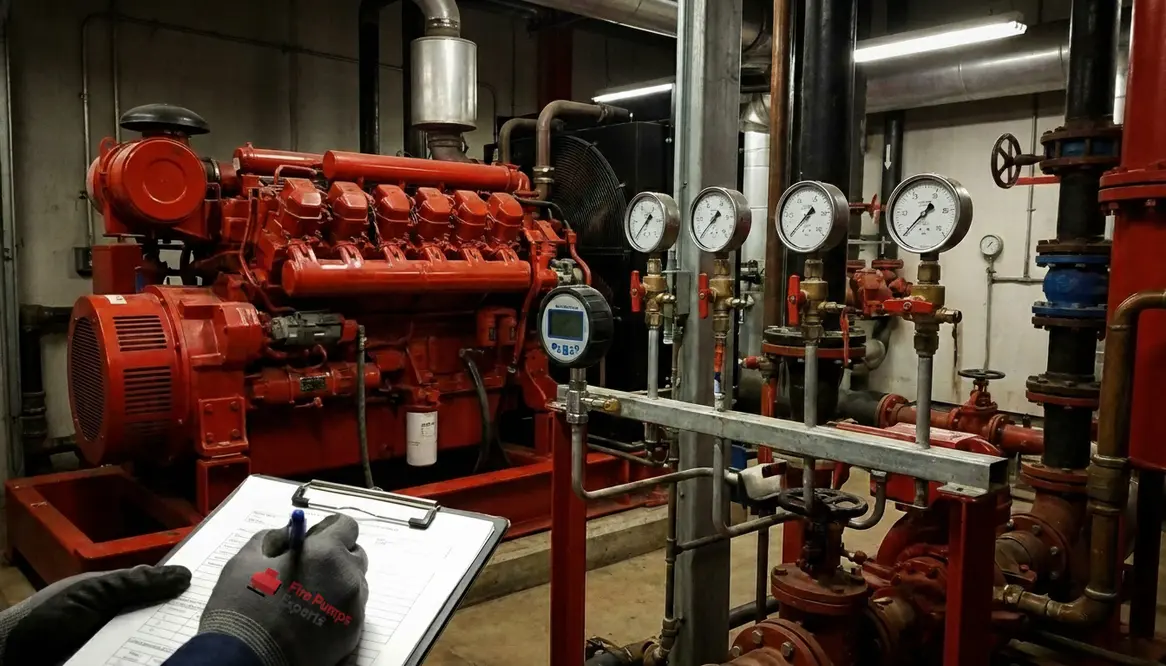
Before I test anything, I inspect the setup. This step saves time and keeps the test clean. I check the pump house, power supply, fuel supply if the pump is diesel, valves, gauges, and control panels. Then I look for leaks, loose fittings, strange sounds, signs of wear, and anything that seems out of place. In my experience, the small warning signs often speak first.
Test gear and communication checks
I also confirm that the test gear is ready. That includes the discharge path, test lines, and any instruments used to record pressure or flow. After that, I verify that the site team knows the test is happening. Good communication avoids confusion, and it also keeps operations smooth. Nobody wants a fire pump test to feel like an episode of chaos with the wrong soundtrack.
How I Approach AS 2118 Fire Pump Testing
Here is the simple version: I start, measure, compare, and record. Still, each step needs care.
Before the test
I confirm the pump is in normal service and the system is ready for testing. Then I check all conditions that could affect performance.
During the test
I start the pump and watch how it behaves. I note start time, operating pressure, flow results, vibration, noise, and any unusual changes.
After the test
I stop the pump in the correct way, inspect the unit again, and record the results. If I see a fault, I flag it fast so repairs can begin without delay.
This is where AS 2118 testing earns its keep. A pump can look fine on the outside and still miss the mark under load. That is why numbers matter. Feelings are great for movie reviews. Not so much for fire protection.
AS 2118 Testing Requirements for Pressure, Flow, and Timing
The heart of the test is performance. I want the pump to meet the required pressure and flow for the system design. I also want it to start within the expected time and keep running steadily. If the pressure drops too far, or the flow cannot support the fire system demand, then the site has a problem that needs attention.
Timing matters too. A slow start can weaken the whole system response. Likewise, unstable pressure can create weak coverage at critical points in a building. That is why I never treat the readings as random numbers on a page. They tell a story about safety, reliability, and readiness.
What I look for in the results
- Start time within the expected window set by the design and standard
- Pressure that matches or exceeds the required duty point without wild fluctuation
- Flow that supports the most demanding parts of the fire system
- Stable operation across the test period, without alarms or trips
How Often I Test and What Records I Keep
Testing frequency depends on the system design, site needs, and the standard applied. However, I always follow the required schedule and keep the records tidy. Good records help track trends over time. For example, if pressure slowly falls over several tests, I can spot a decline before it becomes a failure.
I also keep clear notes on any defects, corrective work, and retest results. That paper trail matters for compliance, maintenance planning, and peace of mind. In big properties, the audit trail is not just admin. It is evidence that the system has been cared for with discipline.
Why disciplined records matter during AS 2118 testing
When AS 2118 testing is carried out on schedule and documented properly, it gives owners, insurers, and regulators confidence that the fire pump is not just installed, but actively maintained. Trends in the data often reveal subtle issues long before they show up as failures under stress.
Common Issues I Find in Commercial and Industrial Sites
In my work, I see a few repeat offenders. Corroded fittings show up often, along with blocked strainers, worn seals, poor battery condition, and control faults. Sometimes the issue is simple, like a valve left in the wrong position. Other times, the fault points to a deeper mechanical or electrical problem.
That said, most issues get worse when nobody checks them early. A neglected pump does not improve with hope. It improves with inspection, repair, and retesting. I have yet to meet a fire pump that responds well to positive thinking alone, though I respect the effort.
Typical faults uncovered by AS 2118 testing
- Corrosion on pipework, fittings, or pump casings
- Blocked or partially obstructed strainers and suction lines
- Worn seals and minor leaks that escalate over time
- Weak or failing batteries on diesel or electric start systems
- Control panel faults, alarms disabled, or indicators ignored
- Isolation valves in the wrong position following maintenance
FAQ: Quick Answers on AS 2118 Testing
Below are some quick answers to questions I hear during AS 2118 testing on large sites. Each one points back to the same goal: a fire pump that performs when it is needed, not just when it is convenient to test it.
Conclusion
If you manage a major commercial or industrial property, I recommend treating fire pump testing as a priority, not a side note. It protects your people, your site, and your compliance position. When you want a clear, careful, and standards based approach to AS 2118 testing, reach out and book a proper assessment. I will help you keep the system ready, the records clean, and the pressure right where it should be.
If you need more detail on fire pump testing requirements, you can find further information at https://firepumps.org or speak with a specialist who understands both the standard and the realities of running a large facility.