Commercial Fire Pump Inspection Anaheim Requirements
What you do in the pump room long before an alarm ever rings will decide whether a fire becomes a controlled incident or tomorrow morning’s breaking news.
Walk through any large commercial property in Anaheim and you will see a quiet network of systems standing guard behind the scenes. Sprinklers. Valves. Controllers. And at the heart of many high rise buildings, hospitals, warehouses, and industrial facilities sits the fire pump. It waits patiently for the day it may be needed. However, patience alone does not keep a fire pump ready. That is where commercial fire pump inspection Anaheim requirements enter the picture. These standards guide how property managers and facility teams keep fire pumps reliable, compliant, and ready to move water fast when seconds matter. I have spent years watching these systems get tested, and trust me, a properly inspected pump can be the difference between a small incident and a very expensive headline.
Behind every quiet pump room in Anaheim sits a stack of inspection reports, test results, and maintenance notes. They do not make good lobby artwork, but they are exactly what the fire marshal, your insurance carrier, and your risk manager expect to see. That is the practical side of commercial fire pump inspection Anaheim requirements: they turn “we think the pump is fine” into “we know the pump is ready” with proof to back it up.
Understanding Commercial Fire Pump Inspection Anaheim Requirements for Large Facilities
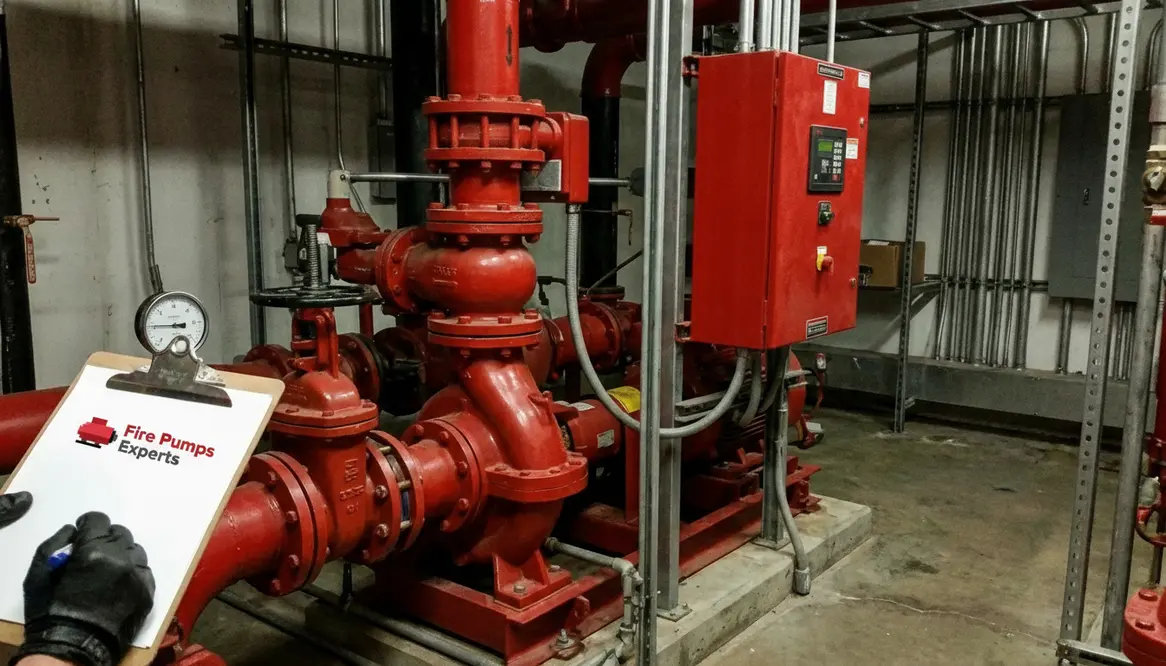
First, let me clear something up. A fire pump is not just a big red machine sitting in a mechanical room looking impressive. It is a precision piece of life safety equipment designed to push water through sprinkler systems when city pressure is not enough.
In large commercial or industrial properties, that extra pressure makes the entire fire protection system work. Without it, the sprinklers might trickle instead of respond with force. That is about as helpful as bringing a garden hose to a dragon fight.
Anaheim follows fire protection standards rooted in national codes, especially NFPA 25. These rules define how pumps must be inspected, tested, and maintained. Facility managers are expected to ensure that fire pump systems are evaluated regularly and documented properly.
However, inspections are not just about paperwork. They confirm that several critical components function together:
- Pump driver performance
- Controller operation
- Pressure gauges and relief valves
- Water supply integrity
- Alarm and monitoring systems
Because many commercial buildings rely on these pumps for full sprinkler coverage, inspections must be handled carefully. A missed issue can ripple through an entire fire protection system.
So yes, inspections may sound routine. Yet behind every routine test sits a serious responsibility.
What Do Inspectors Actually Look For During a Fire Pump Inspection?
People often imagine inspections as a quick glance at a pump and a clipboard signature. In reality, the process digs much deeper.
When I walk through a pump room with a technician, we start with the basics. First comes the visual inspection. Then we move to mechanical checks. Finally, we test performance.
The inspection typically evaluates several systems at once:
- Pump casing and fittings for leaks or corrosion
- Controller lights, alarms, and automatic start signals
- Pressure readings compared with baseline data
- Driver conditions for diesel or electric pumps
- Fuel levels, batteries, and cooling systems
After that, weekly or monthly churn tests verify that the pump starts automatically and maintains pressure. Annual flow tests go even further. These simulate real demand and confirm the pump can deliver its rated capacity.
And yes, during a flow test the water discharge can look dramatic. Picture several powerful streams blasting out of test headers. It is like watching a fire hydrant audition for an action movie.
However, that spectacle serves a serious purpose. It proves the pump can perform under stress.
Quick reminder on Anaheim expectations
If you manage a large property in Anaheim, you are not just chasing “best practices.” You are aligning with commercial fire pump inspection Anaheim requirements that follow NFPA 25 guidance on weekly or monthly churn tests, annual flow testing, and thorough documentation of every visit.
For deeper guidance on how professional teams structure those inspections, resources like routine fire pump inspection best practices can help you see what a complete program looks like from the contractor’s side.
Common Fire Pump Issues Found in Commercial Buildings
Over the years I have seen a few problems appear again and again. Fire pumps live long lives, but like any mechanical system they need attention.
- Battery failure in diesel drivers
- Controller electrical faults
- Stuck valves or partially closed discharge lines
- Pressure gauge inaccuracies
- Cooling line blockages
- Pump packing leaks
Individually, these problems may seem minor. However, together they can reduce pump performance when it matters most.
Why Preventive Inspections Matter for Large Properties
Commercial campuses, distribution centers, and high occupancy buildings face greater risk exposure. A single fire event can disrupt operations, inventory, and tenant safety.
Therefore routine inspections catch small mechanical problems before they grow into system failures.
Additionally, consistent testing protects building owners from code violations and insurance complications. Insurers often require proof that fire protection systems remain operational.
In short, inspections protect people, property, and the business itself.
How Often Should Fire Pumps Be Tested in Anaheim Commercial Properties?
Facility managers often ask me this question, usually while staring at a maintenance calendar that already looks like a game of Tetris.
The testing schedule generally follows established fire protection standards. For commercial and industrial facilities, the typical cadence looks like this:
- Weekly or monthly churn tests depending on pump type
- Quarterly system inspections
- Annual flow performance testing
- Periodic internal component evaluations
Electric driven pumps usually undergo monthly no flow tests, while diesel pumps often require weekly runs. These quick tests confirm the pump starts automatically and reaches correct speed.
Annual testing is more involved. Technicians measure flow at different pressure points to confirm the pump meets its rated curve. If performance drifts below acceptable levels, repairs or adjustments follow.
While that schedule may sound demanding, it keeps systems predictable. Fire protection equipment prefers routine exercise. Think of it like a gym membership for machinery. The pump stays strong by running regularly.
Aligning your schedule with Anaheim expectations
For most large facilities, staying on top of commercial fire pump inspection Anaheim requirements is less about memorizing code sections and more about locking in a rhythm: weekly or monthly runs, quarterly checks, and a serious annual test that proves the pump can actually do the job.
Commercial Fire Pump Inspection Anaheim Requirements and Documentation
Documentation may not sound exciting. No one throws a parade for a well organized inspection log. Yet for property owners and facility directors, records carry real weight.
The commercial fire pump inspection Anaheim requirements emphasize accurate documentation after each inspection and test.
Reports typically include:
- Date and duration of the test
- Pressure readings and flow results
- Controller status and alarm verification
- Observed deficiencies
- Corrective actions taken
Think of these records as the pump’s medical chart. When inspectors, risk managers, or insurers ask “How healthy is your system?” you can answer with data, not guesswork.
These records serve several purposes. First, they demonstrate compliance during fire marshal reviews. Second, they provide historical performance data that helps technicians identify trends.
For example, a gradual pressure drop across several annual tests may signal wear inside the pump or impeller. Early detection allows maintenance teams to fix the issue before the pump fails during an emergency.
In other words, inspection logs become the long memory of the fire protection system.
FAQ: Fire Pump Inspections for Commercial Buildings
Even seasoned facility teams in Anaheim bump into the same questions around inspections, documentation, and how far commercial fire pump inspection Anaheim requirements really go in daily operations. A few of the most common questions include frequency, who is allowed to touch the system, and what happens when a test does not go as planned.
Keeping Fire Pumps Ready When It Counts
Every commercial property has quiet heroes working behind the scenes. Fire pumps happen to be among the most important. Through routine inspections, performance testing, and proper documentation, facility teams keep these systems ready for the moment they may be called into action.
If you manage a large commercial or industrial property in Anaheim, now is the time to ensure your fire pump inspections meet professional standards. Partner with specialists who understand complex pump systems, compliance expectations, and the unique needs of major facilities. A reliable fire pump today means greater safety, stronger compliance, and far fewer surprises tomorrow.