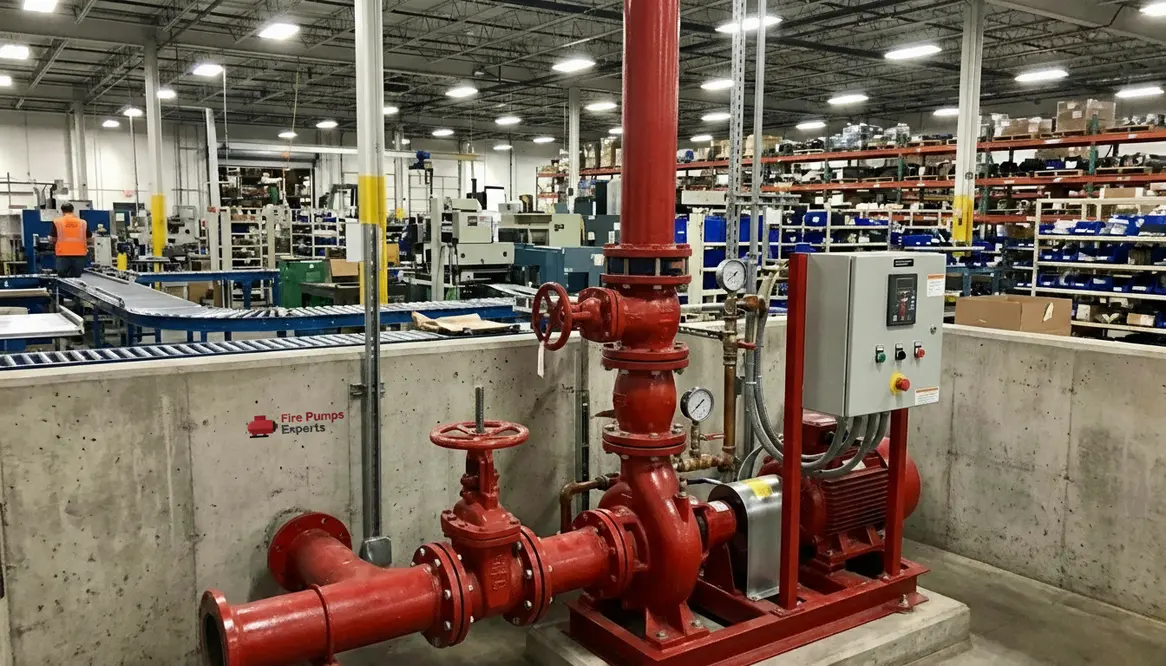
Fire Pump Systems for Assembly Plant Protection
I have spent enough time around assembly plants to know one truth that never changes. When machines move fast and production never sleeps, risk follows close behind. That is exactly Why assembly operations need dependable fire protection. A single spark can halt an entire line, and in some cases, rewrite the future of a facility. So today, I want to walk you through fire pump systems for assembly plants in a way that feels less like a manual and more like a conversation you actually want to finish.
Why assembly operations need dependable fire protection
Assembly plants are not gentle environments. They are packed with moving parts, electrical loads, lubricants, and often combustible materials. Because of that, fire risk is not theoretical. It is present every second the line is running.
Now, add tight production schedules and high value equipment into the mix. Suddenly, downtime is not just inconvenient. It is expensive. Therefore, fire pump systems step in as the quiet guardians. They deliver consistent water pressure to suppression systems exactly when it matters.
The support behind the sprinklers
And yes, while sprinklers get most of the spotlight, they are only as good as the pump behind them. Think of it like Batman and Alfred. The hero gets the credit, but nothing works without the support system.
This is one more reason Why assembly operations need dependable fire protection built around properly sized, properly powered, and properly maintained fire pump systems that do their job even when everything else is going wrong.
What makes a fire pump system effective in an assembly plant?
An effective system is not just about power. It is about reliability under stress. I look for three core elements.
1. Steady pressure across the floor
Assembly plants often span large areas, so water must travel far without losing force. That means properly sized pumps, well designed piping, and enough capacity to keep pressure stable even when multiple zones activate at once.
2. Redundancy that does not blink
If one component fails, another must step in without hesitation. That can mean backup pumps, dual power sources, and control systems designed so that a single failure does not shut down the entire response.
3. Integration with the bigger picture
The pump must work seamlessly with alarms, sprinklers, and control panels. It should start automatically, report status clearly, and support the wider safety strategy instead of operating in isolation.
In other words, a good system does not panic under pressure. It performs like a seasoned professional who has seen it all and still shows up on time.
How do fire pump systems support continuous production?
This is where things get interesting. Fire pump systems do more than fight fires. They protect uptime.
Because when a system responds quickly, it limits damage. That means fewer repairs, less downtime, and a faster return to normal operations. Moreover, insurance providers tend to look more favorably on facilities with robust fire protection, which can lead to cost benefits.
Risk, uptime, and the real cost of “cheap” protection
So while it may not be the most glamorous investment, it is one of the smartest. It is like having a backup generator during a storm. You hope you never need it, but when you do, it saves the day. That is Why assembly operations need dependable fire protection that is engineered around production, not just around minimum code requirements.
Choosing the right fire pump setup for large scale facilities
Not all assembly plants are built the same. Some focus on automotive lines, while others handle electronics or heavy equipment. Therefore, fire pump systems must match the specific demands of the facility.
Common pump types
- Electric fire pumps for consistent and efficient operation
- Diesel fire pumps for backup during power loss
- Vertical turbine pumps for facilities with unique water sources
Key considerations
- Facility size and layout
- Water supply reliability
- Local fire codes and compliance
- Future expansion plans
Because of these variables, a one size fits all approach rarely works. Instead, I always recommend a tailored design that grows with the facility. After all, assembly plants tend to evolve. And your fire protection should keep up.
If you are unsure where to begin, start by reviewing NFPA standards, your local codes, and guidance from trusted resources such as https://firepumps.org. Pair that with a risk based assessment of your plant and you will quickly see Why assembly operations need dependable fire protection built around well designed pump systems.
Maintenance and testing keep systems ready
Routine checks that actually matter
Even the best system will fail if it is ignored. That is just reality. Regular testing ensures that pumps start when needed, maintain pressure, and communicate with the rest of the system.
Additionally, inspections help catch small issues before they become big problems. A worn seal or minor leak may seem harmless now, but during an emergency, it can make all the difference.
Avoiding the worst kind of surprise
And let us be honest. No one wants to discover a problem during an actual fire. That is the worst possible time for surprises. Scheduled testing and documented maintenance turn “we think it will work” into “we know it will work.”
This is another layer in the argument for Why assembly operations need dependable fire protection, because dependability is built over time with consistent care, not just with a one time installation.
Why assembly operations need dependable fire protection
More than hardware: a full safety strategy
At this point, it should be clear that fire pump systems are not just equipment. They are part of a larger safety strategy. Assembly environments demand consistent protection because the stakes are high.
People, property, and production all rely on systems that respond instantly and perform without hesitation. Therefore, investing in dependable fire protection is not optional. It is essential.
Besides, peace of mind is a powerful thing. It allows teams to focus on what they do best, knowing that safety is handled. This is the heart of Why assembly operations need dependable fire protection: not just to satisfy a regulation, but to protect the flow of work, the people on the floor, and the future of the plant.
FAQ
Conclusion
If you run or manage an assembly facility, now is the time to take a closer look at your fire pump system. The right setup protects your people, your equipment, and your bottom line. More importantly, it keeps your operation moving when it matters most. Connect with experts who understand industrial scale protection and build a system that works as hard as your production line does.