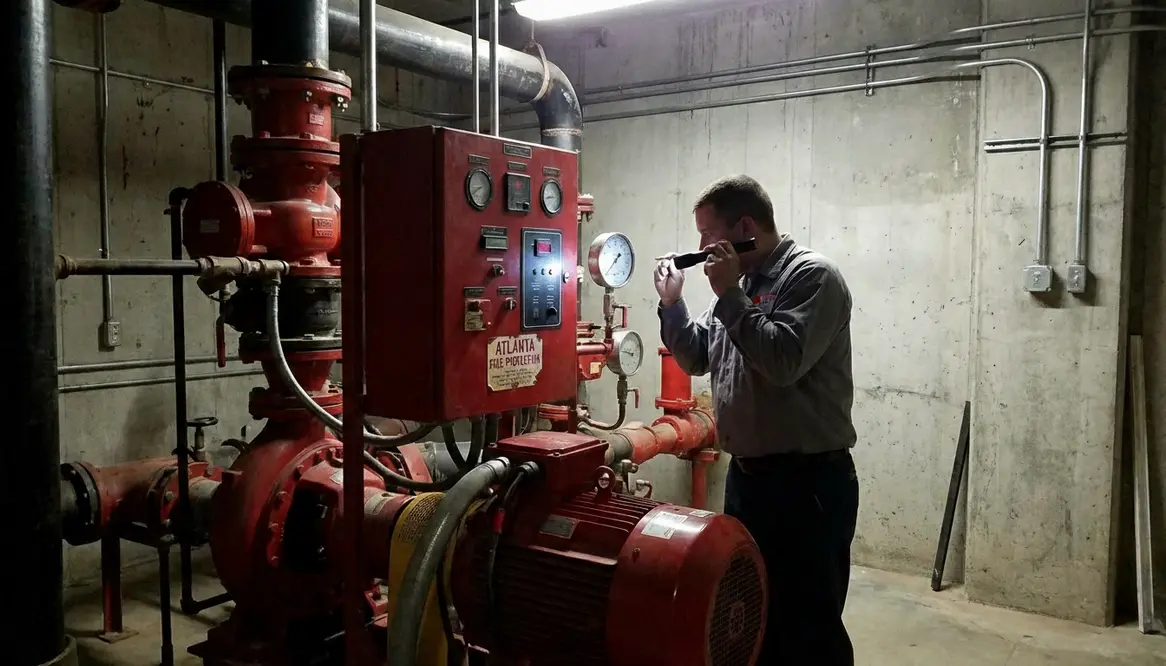
Atlanta Fire Pump Requirements Guide for Buildings
I have spent years walking through the mechanical hearts of large buildings, and if there is one thing Atlanta property owners cannot afford to overlook, it is fire protection. Specifically, understanding Atlanta fire pump requirements is not just a box to check. It is the difference between controlled risk and catastrophic loss. In a city that blends historic structures with modern high rises, the rules around fire pumps carry real weight. So let me walk you through what matters, what gets missed, and why this topic deserves your full attention.
What Atlanta Fire Pump Requirements Mean for Your Building
At its core, a fire pump exists to do one job. It ensures water moves with enough pressure to suppress a fire when gravity alone just will not cut it. In Atlanta, codes align with national standards, yet local enforcement adds its own flavor. And yes, much like ordering sweet tea, you cannot skip the details.
Most commercial and industrial properties, especially high rise buildings, warehouses, and large facilities, must meet strict fire pump codes tied to NFPA standards. However, local inspectors expect precise compliance. That means correct pump sizing, reliable power sources, and accessible installation.
Moreover, I always remind owners that compliance is not static. As buildings evolve, occupancy changes, or systems age, your fire pump setup must keep pace. Otherwise, you are operating on borrowed time and drifting away from core Atlanta fire pump requirements without realizing it.
Why local interpretation of national codes matters
The national standards lay out the “what,” but in Atlanta, the “how” is where many owners stumble. Inspectors focus not just on the presence of a fire pump, but on how well it integrates with your sprinkler system, how it responds during power disruptions, and whether your documentation matches what is actually installed. That gap between paper and reality is where failures are born.
How Do I Know If My Property Needs a Fire Pump?
If you are asking that question, you are already on the right track. The answer depends on water pressure and building demand. When municipal supply cannot meet sprinkler system needs, a fire pump becomes essential.
For example, taller buildings often struggle with consistent pressure across floors. Similarly, large industrial spaces with extensive sprinkler coverage require more flow than city lines can deliver. In these cases, fire pumps step in like a reliable backup singer who suddenly becomes the star of the show.
Additionally, insurance providers often look closely at fire protection systems. A properly installed pump can influence premiums and risk assessments. So while it may feel like a heavy upfront investment, it pays dividends in protection and peace of mind.
Quick self-check for your building
- High rise or mid rise building with spotty pressure reports on upper floors
- Extensive warehouse or distribution center with large sprinkler demand
- Older property that has gone through additions or retrofits without hydraulic review
- Insurance carrier asking pointed questions about your fire water supply
If any of those sound familiar, your next smart move is a professional assessment focused on Atlanta fire pump requirements and how they apply to your specific structure.
Atlanta Fire Pump Requirements for Commercial Facilities
Now let us get specific. When I review systems across Atlanta, I focus on several critical factors that consistently define compliance.
Core System Elements
- Proper pump type selection based on building demand
- Dedicated power supply or backup generator
- Controller systems that meet code standards
- Pressure relief and test headers installed correctly
Operational Expectations
- Routine testing performed weekly or monthly
- Annual performance testing documented
- Clear access for inspection teams
- Immediate repair of any deficiencies
Furthermore, inspectors in Atlanta do not just glance at your system and move on. They expect documentation, consistency, and proof that your equipment performs under pressure. Literally.
If you want to see how a dedicated fire pump provider approaches long-term reliability, take a look at how Kord Fire manages fire pump inspection, repair, and maintenance programs and use that same level of rigor as a benchmark when you evaluate your own Atlanta fire pump requirements.
The Real Cost of Ignoring Compliance
I will be direct here. Ignoring fire pump requirements is not just risky. It is expensive in ways most owners underestimate.
Where the money really disappears
- Fines and failed inspections: Delayed occupancy, repeated re-inspections, and last-minute repairs that always cost more.
- Liability exposure: If a fire occurs and your system fails due to negligence, the legal and financial fallout can be severe.
- Business interruption: Downtime after an incident can easily outweigh what proactive compliance with Atlanta fire pump requirements would have cost.
- Reputational damage: One public incident can ripple across partnerships, tenants, and future deals.
On the flip side, a well maintained system rarely makes headlines. And that is exactly the point. Like a good security team in a heist movie, the best ones do their job quietly and effectively.
Maintenance Is Where Most Systems Fall Short
Here is where things often unravel. Installation gets all the attention, but maintenance tells the real story. I have seen pristine systems fail simply because no one kept up with testing schedules.
Regular inspections ensure pumps start automatically, maintain pressure, and operate without mechanical issues. Over time, small problems like worn seals or electrical faults can grow into system failures.
Therefore, a consistent maintenance plan is not optional. It is essential. And for large commercial and industrial properties, working with specialists who understand complex systems makes all the difference.
Treat your fire pump like critical equipment, not background noise
Think of it this way. You would not skip oil changes on a high performance car and expect it to run forever. A fire pump deserves the same respect, minus the sports car ego. Weekly and monthly churn tests, annual performance checks, and timely repairs are the backbone of real-world Atlanta fire pump requirements, not just words on a plan set.
Choosing the Right Fire Pump Partner in Atlanta
Not all service providers are created equal. When dealing with large scale properties, you need a team that understands both engineering and local enforcement.
I always suggest looking for providers who focus specifically on commercial and industrial systems. They should offer testing, repairs, and system upgrades while staying current with Atlanta regulations.
What to look for in a partner
- Proven experience with high rise and industrial properties
- Comprehensive services: inspection, repair, testing, and upgrades
- Clear, written reports after every visit
- 24/7 support for critical failures
How the best teams communicate
Additionally, communication matters. A good partner does not just fix problems. They explain them clearly, document everything, and help you plan ahead. That level of clarity can save time, money, and more than a few headaches.
When you evaluate vendors, treat Atlanta fire pump requirements as your checklist. Any provider who downplays testing frequency, documentation, or code alignment is quietly asking you to carry their risk.
FAQ: Fire Pumps for Atlanta Property Owners
A few of the most common questions Atlanta property owners ask when they first start taking fire pump compliance seriously.
Conclusion
If you own or manage a large commercial or industrial property in Atlanta, now is the time to take a closer look at your fire pump system. Staying aligned with Atlanta fire pump requirements protects your building, your tenants, and your bottom line. Work with experienced professionals, stay consistent with maintenance, and treat compliance as an investment, not an obligation. When the unexpected happens, you will be glad you did.