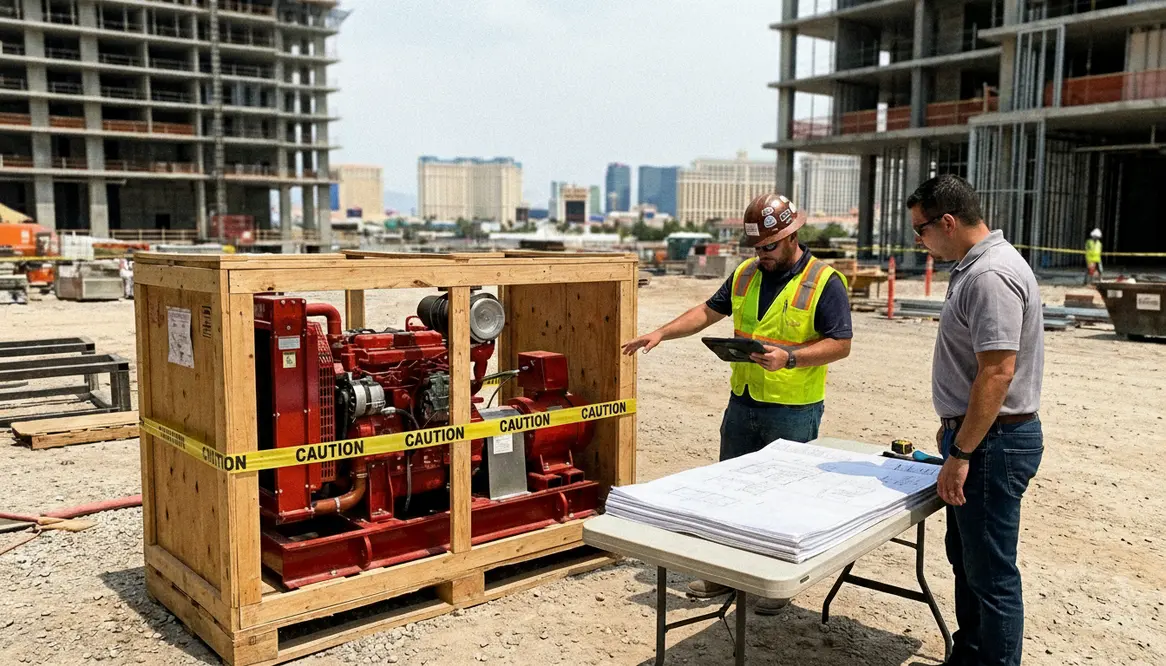
Avoid Fire Pump Delays: Las Vegas Fire Pump Compliance
I have spent enough time on commercial job sites to know that nothing slows a project down quite like a missing or delayed fire pump. It is the kind of problem that sneaks up quietly, then suddenly halts everything like a red light in the middle of the Las Vegas Strip at midnight. And yes, when we talk about Las Vegas fire pump compliance, we are talking about a level of scrutiny that leaves no room for shortcuts. In major U.S. hubs, delays are not just inconvenient, they are expensive, public, and sometimes painfully avoidable.
So let me walk you through how I keep projects moving, avoid costly setbacks, and still sleep at night knowing everything is built to code.
Why Fire Pump Delays Happen in Major U.S. Cities
First, let us call it what it is. Delays rarely happen because of one big mistake. Instead, they creep in through small oversights. Permitting backlogs, late submittals, design mismatches, or supply chain hiccups all stack up.
In cities like New York, Los Angeles, and yes, Las Vegas, inspectors expect precision. Meanwhile, engineers, contractors, and suppliers often work on different timelines. As a result, even a small disconnect can stall the entire fire protection system.
And then there is the reality of demand. Everyone is building. Everyone needs equipment. Suddenly, your fire pump is not late, it is “on a scenic route across three states.” Not exactly reassuring.
Why Las Vegas Fire Pump Compliance Feels Different
Las Vegas fire pump compliance lives in that space where aggressive development, tall structures, and strict oversight collide. High-profile projects mean high-profile inspections, and nobody wants to be the reason a hotel opening or mixed-use tower gets pushed back because the fire pump is not ready, not approved, or not performing as designed.
The stakes are simple: if the fire pump is late or out of compliance, occupancy can be delayed, temporary workarounds get expensive, and pressure lands squarely on the project team that “thought it would be fine.” I prefer not to be on that team.
How I Plan Ahead to Avoid Fire Pump Delays
I learned early that timing is everything. So I treat fire pumps as critical path equipment, not an afterthought.
Here is how I stay ahead:
Early coordination: I bring fire protection engineers, mechanical teams, and suppliers together at the start. Not later. Not “when we get there.” Right away.
Approved submittals fast: I push for submittal approvals early because waiting on paperwork is like waiting for a sequel that never comes.
Factory lead times: I confirm realistic production timelines. If a supplier promises lightning speed, I double check. Lightning is impressive, but it is not always predictable.
Because of this, I can align installation schedules with actual delivery dates instead of wishful thinking.
What Does Las Vegas Fire Pump Compliance Really Require?
When someone asks me this, I give a simple answer. It requires discipline.
Las Vegas fire pump compliance standards demand precise installation, proper testing, and full documentation. Inspectors want to see that every component works exactly as intended under real conditions.
- Correct pump sizing based on building demand, not guesswork
- Proper controller integration that responds instantly
- Full flow testing that proves performance under pressure
And here is the part many overlook. Documentation matters just as much as hardware. If it is not recorded, it might as well not exist.
If you want a deeper breakdown of how standards shape design and testing expectations, resources like this NFPA 20 fire pump overview from Kord Fire Protection are a solid starting point for aligning your approach with current best practices.
Balancing Design, Procurement, and Installation
I like to think of this phase as conducting an orchestra. If one section comes in late, the whole performance suffers.
Design & Procurement
Design Phase
I ensure the fire pump room layout is finalized early. Space constraints can derail installation faster than you would expect.
Procurement Phase
I lock in vendors who understand commercial scale demands. Not all suppliers are built for high rise or industrial facilities.
Installation & Testing
Installation Phase
I verify that site conditions match the approved plans. Even minor deviations can trigger inspection failures.
Testing Phase
I schedule acceptance tests in advance. Waiting until the last minute is like cramming for an exam you cannot retake.
By keeping these phases connected, I avoid the domino effect that leads to delays.
How I Handle Inspections Without Slowing the Project
Inspections are not the enemy. Surprises are.
So I remove surprises. I run pre inspection checks, confirm system readiness, and ensure all documentation is in place before the inspector even arrives.
Additionally, I stay updated on regional requirements. Las Vegas fire pump compliance expectations can differ slightly from other cities, and assuming they are all the same is a gamble I do not take.
And yes, I have seen projects fail inspection over something as small as labeling. It is humbling. Also mildly frustrating. But mostly preventable.
Keeping Suppliers and Contractors Accountable
This part requires a bit of backbone. Everyone has deadlines, but not everyone treats them equally.
I set clear expectations from the beginning. Delivery dates, installation milestones, and testing schedules are not suggestions. They are commitments.
Then I follow up. Regularly.
Because in large commercial builds, silence usually means something is slipping. And I would rather catch a problem early than explain a delay later.
Think of it like air traffic control. If no one is communicating, things get risky fast.
FAQ: Fire Pump Delays on Commercial Projects
Below are some of the most common questions I hear when teams start wrestling with timelines, inspections, and Las Vegas fire pump compliance across busy commercial projects.
Conclusion: Keep the Project Moving Without the Headaches
If there is one thing I have learned, it is this. Fire pump delays are rarely unavoidable. With early planning, strong coordination, and a clear understanding of compliance requirements, you can keep your project on track.
So if you are working on a commercial or industrial build and want to avoid costly setbacks, now is the time to act. Partner with experts who understand the stakes, stay intentional about Las Vegas fire pump compliance from day one, and keep everything flowing exactly as it should.