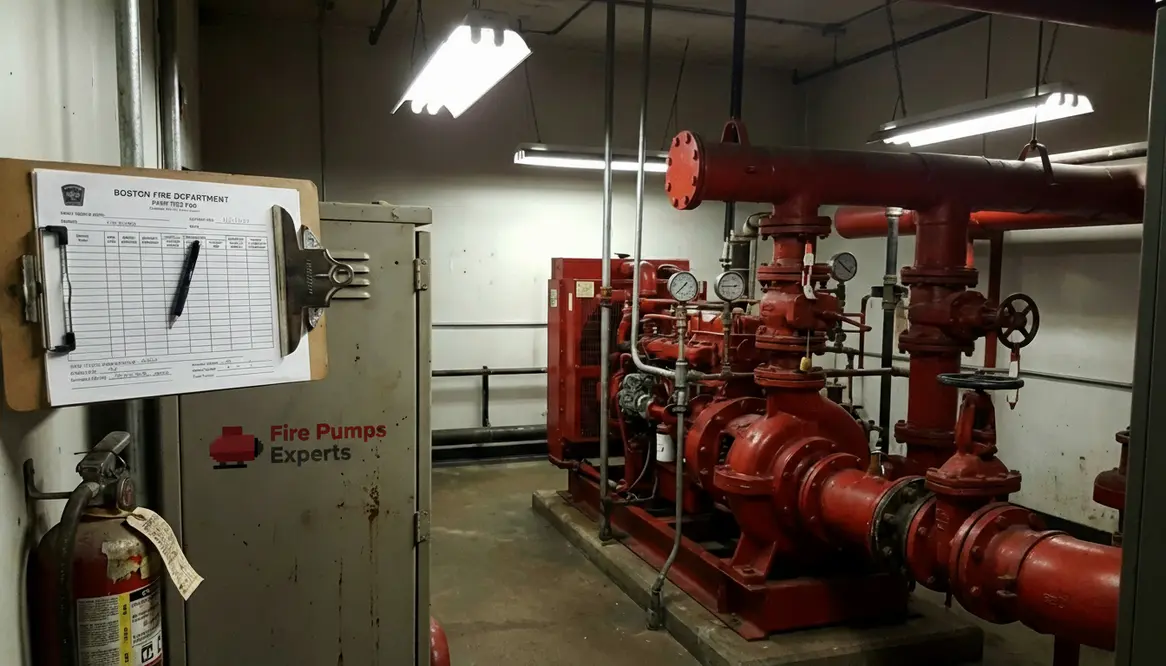
Boston Fire Code Fire Pumps Compliance Guide
I have spent enough time around mechanical rooms to know this truth: when things go quiet, that is when you should start paying attention. In Boston, silence is not always golden, especially when it comes to Boston fire code fire pumps. These systems sit ready, waiting for the moment everything else goes wrong. And trust me, the city does not leave their performance up to chance. The fire code here shapes how these pumps are designed, installed, tested, and even how they age. So, let’s walk through what that really means for commercial and industrial properties, with a steady pace and maybe a chuckle or two along the way.
What Does Boston Fire Code Expect from Fire Pump Systems
Right out of the gate, Boston sets a high bar. The fire code requires that commercial fire pump systems deliver reliable pressure and flow under the worst conditions. Not “pretty bad.” I mean worst case scenario, alarms blaring, sprinklers open, chaos in full swing.
Because of that, I always approach system design with redundancy in mind. The code leans heavily on NFPA standards, but Boston adds its own flavor. For example, inspectors expect precise documentation, clear labeling, and accessible components. If a valve is hidden behind a maze of pipes like something out of an Indiana Jones trap room, you are already in trouble.
Moreover, the city emphasizes electrical reliability. Backup power is not optional in many large facilities. Therefore, diesel driven pumps or generator backed electric pumps become essential players in compliance. When you are mapping your strategy for Boston fire code fire pumps, those power decisions can make or break your approval.
If you want a broader context for how national standards shape system expectations, resources like NFPA 20 fire pump design and installation overviews help frame why local codes like Boston’s push configurations so hard on performance and reliability.
Why System Design Must Match Real Building Demands
I have seen it happen. A system looks perfect on paper, yet struggles in the real world. Boston’s fire code pushes us to avoid that mistake.
First, building height and occupancy drive everything. High rise structures, manufacturing plants, and large commercial facilities each demand different pressure profiles. As a result, I size pumps not just for today, but for future expansion. Because let’s be honest, buildings grow. They always do. It is like they hit a gym montage and come back bigger.
Additionally, Boston requires careful coordination between fire protection engineers and local authorities. This is not a “submit and forget” situation. Instead, I stay engaged throughout the approval process to ensure the system aligns with both code and real operational needs. Boston fire code fire pumps that are designed with tomorrow’s loads in mind are far less likely to trigger sudden, expensive upgrades.
That coordination also keeps the mechanical room from turning into a museum of “good ideas at the time.” When your system layout, risers, and pump selections all line up with how the building will actually be used, you reduce surprises during inspections and during those rare but very real emergencies.
Boston Fire Code Fire Pumps and Ongoing Compliance
Installation is only the beginning. If you think passing inspection once means you are done, well, that is a plot twist no one enjoys.
Boston requires regular testing, and they take it seriously. Weekly churn tests, annual flow tests, and detailed record keeping all come into play. Consequently, facility managers need a plan, not just a checklist.
What I Always Emphasize
- Consistent testing schedules
- Clear maintenance logs
- Immediate repair response
- Trained personnel on site
What Boston Inspectors Look For
- Accurate performance data
- Accessible equipment
- Code compliant components
- Proof of regular inspections
Furthermore, neglect shows quickly. A poorly maintained pump does not fail dramatically like in the movies. Instead, it underperforms quietly, which is far more dangerous. The story you want to tell with your data is boring consistency, not surprise plot twists.
When Boston fire code fire pumps are treated as living parts of the building, with scheduled exercise and honest record keeping, inspectors are happier, insurance carriers are calmer, and your risk profile drops in a very real way.
How Do Inspections and Testing Actually Work in Boston
Let me answer this the way most people ask it: what really happens during an inspection?
Inspectors review documentation first. Then, they move to physical checks. They verify pump start up times, pressure readings, and flow rates. Meanwhile, they watch for signs of wear or improper installation.
Because Boston operates with a strong enforcement mindset, there is little room for guesswork. If something looks off, it gets flagged. And yes, they will ask questions. Lots of them. Think of it less like a casual checkup and more like a detailed interview where your pump is the main character.
Therefore, I always recommend preparing in advance. Run your own internal tests. Review your logs. Fix small issues before they become expensive problems. When you treat Boston fire code fire pumps as something you rehearse with regularly, inspections start feeling predictable instead of stressful.
Common Pitfalls I See in Commercial Facilities
Even well managed properties can slip up. However, the same patterns tend to repeat.
One major issue is undersized systems. Another is poor coordination between fire pumps and sprinkler demand. Additionally, I often find outdated controllers that no longer meet Boston’s expectations.
Then there is maintenance drift. It starts small. A missed test here, a delayed repair there. Eventually, those small gaps stack up. And suddenly, you are facing compliance issues that feel like they came out of nowhere.
On the brighter side, these problems are preventable. With the right planning and consistent attention, systems stay reliable and compliant. When Boston fire code fire pumps are designed correctly, paired with realistic maintenance budgets, and checked against current standards, they stop being a source of anxiety and start becoming one of the most dependable parts of the building.
Why Boston’s Approach Ultimately Protects Your Investment
At first glance, the strict requirements might feel like overkill. However, I see it differently. Boston’s fire code protects more than people. It protects assets, operations, and long term value.
Because when a fire pump system performs exactly as intended, downtime shrinks, damage stays contained, and recovery becomes possible. That is not just safety. That is smart business.
And honestly, there is something reassuring about knowing your system has been tested, inspected, and refined to meet one of the toughest codes in the country. It is like having a seasoned bodyguard who never sleeps.
When you look at Boston fire code fire pumps through that lens, they stop being line items and start looking more like long term insurance for the building’s reputation, tenant confidence, and the continuity of everything the facility supports.
FAQ: Boston Fire Code and Commercial Fire Pumps
Below are some common questions that come up when owners and facility teams start digging into how Boston enforces requirements around commercial fire pumps.
Keep Your System Ready Before It Is Needed
If you manage a commercial or industrial property in Boston, now is the time to take a closer look at your fire pump system. I encourage you to stay proactive, schedule proper testing, and align your setup with current code expectations. When everything is on the line, preparation makes the difference.
Reach out to experienced professionals who understand Boston’s requirements, who know how Boston fire code fire pumps are supposed to behave under stress, and who can keep your system running strong when it matters most. The quiet hum of a well maintained pump may not be glamorous, but in the middle of a fire event, it is exactly the sound you want backing you up.