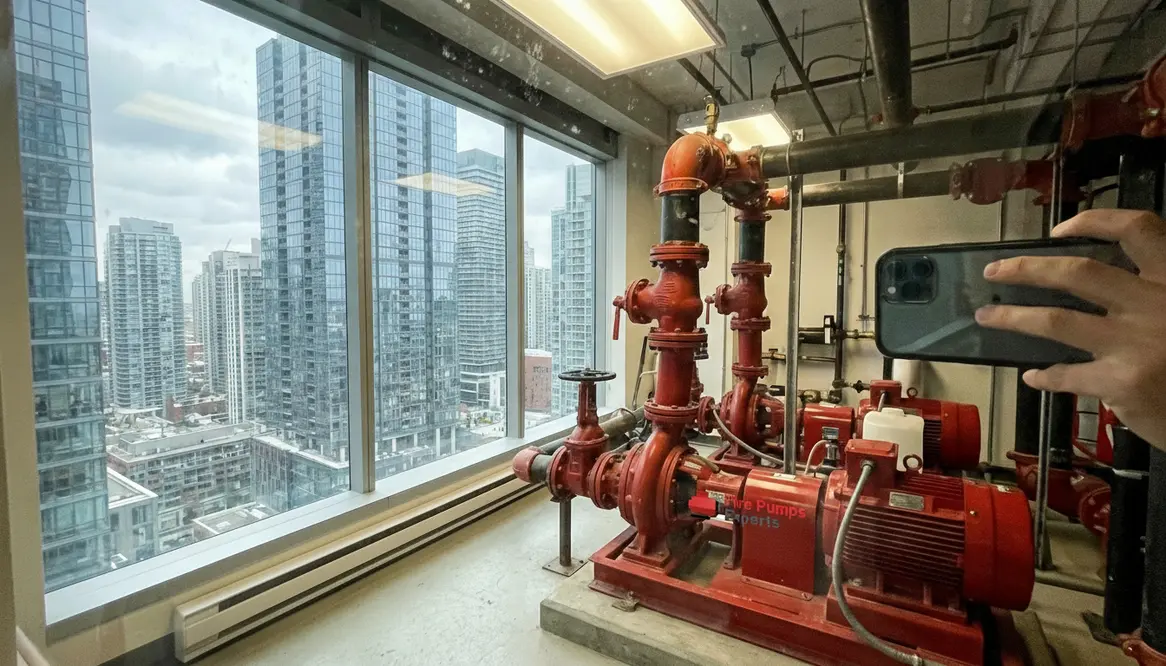
Business Park Fire Pumps for High Density High Rises
High density urban skylines look impressive from the street, but the real story is written in the mechanical rooms, risers, and pump rooms that nobody puts in the brochure. That is where business park fire pumps earn their keep.
I have spent enough time around high rise buildings to know one thing for certain. Fire does not care about your skyline views. It climbs, it spreads, and it tests every system you thought was “good enough.” That is exactly where business park fire pumps step in. In dense urban properties, these systems are not just equipment. They are the quiet guardians behind the walls, ready to perform without hesitation. And yes, they work harder than most of us on a Monday morning.
So let me walk you through what really matters when we talk about fire pump needs in high density environments. I will keep it grounded, practical, and just entertaining enough to keep your coffee from getting cold, while keeping the focus firmly on how business park fire pumps quietly support high rise safety every day.
Why High Density Buildings Demand More Than Standard Fire Protection
In a crowded city core, buildings do not stand alone. They lean into each other like old friends sharing secrets. That proximity changes everything. Fire risk multiplies, and response time shrinks.
Because of this, I always look at vertical reach first. The taller the structure, the harder it becomes to maintain consistent water pressure across all floors. Gravity, as dependable as it is, becomes the enemy. Therefore, fire pump systems must compensate with precision and strength, especially when we are talking about business park fire pumps tasked with feeding long risers and complex branch lines.
Occupancy Raises The Stakes
Occupancy levels raise the stakes. Office towers, industrial complexes, and mixed use commercial hubs pack in people and equipment. More occupants mean stricter compliance requirements and a lower margin for error. In other words, you do not get a second chance.
Municipal Pressure Is Not Enough
Relying on municipal water pressure alone in a dense city is like trusting airport WiFi during a storm. Sometimes it works. Sometimes it leaves you staring at a loading screen while things go very wrong. High rises need pressure, volume, and reliability that only dedicated systems such as business park fire pumps and well designed risers can deliver consistently.
How Do I Choose The Right Fire Pump For A Commercial High Rise?
Start With Flow And Pressure
I start with flow and pressure demands. Always. These two factors define everything else. A system that cannot meet peak demand is just an expensive decoration.
Height, Zones, And System Layout
Next, I consider building height and zoning. High rise structures often require multiple pressure zones. Therefore, I may recommend a combination of pumps or staged systems to maintain consistent delivery without overloading lower levels.
Power Sources And Redundancy
Then comes reliability. Electric pumps are common, but diesel backups provide resilience during power loss. In mission critical properties, redundancy is not optional. It is expected. That mindset is especially important for business park fire pumps serving multiple tenants, data rooms, and industrial processes stacked in the same vertical footprint.
Match Pump Type To Application
Finally, I match the pump type to the application. Split case pumps, vertical turbine pumps, and inline systems each serve different needs. Choosing incorrectly is like bringing a scooter to a Formula One race. Technically, it moves. Practically, it fails.
Key Components That Make Fire Pump Systems Work Under Pressure
A fire pump system is not just a pump. It is a coordinated network. Each part plays a role, and when one fails, the system stumbles.
Here is how I break it down when evaluating a system:
Core Equipment
- Pump unit built for sustained output
- Driver such as electric motor or diesel engine
- Controller that manages activation and monitoring
- Jockey pump to maintain baseline pressure
Support Systems
- Reliable water supply connection
- Backflow prevention for safety
- Pressure relief valves to prevent overload
- Testing and monitoring interfaces
Moreover, integration matters. These components must communicate seamlessly. If they do not, you end up with delays or failures that no one wants to explain later.
Designing For Urban Constraints Without Compromising Performance
Space is always tight in urban environments. Mechanical rooms are often squeezed into corners that feel like they were designed after everything else. However, performance cannot shrink just because the room did.
Layout And Accessibility
I focus on layout efficiency. Vertical configurations often save space while maintaining output. At the same time, accessibility remains critical. If technicians cannot reach components easily, maintenance suffers. And when maintenance suffers, reliability follows.
Noise, Vibration, And Neighboring Tenants
Noise control also enters the conversation. Diesel engines, while powerful, can sound like a rock concert in a concrete box. Therefore, proper insulation and placement become part of the design strategy.
And yes, I have seen systems installed in ways that make you wonder if someone lost a bet. Good design avoids that kind of storytelling.
Maintenance Strategies That Keep Systems Ready At All Times
A fire pump that fails during an emergency is not just a technical issue. It is a liability. That is why I treat maintenance as a non negotiable discipline.
Testing And Verification
Routine testing comes first. Weekly churn tests and periodic flow tests confirm that the system performs under real conditions. Additionally, controllers and alarms must be verified regularly to ensure proper response.
Documentation And Trend Tracking
I also emphasize documentation. Every inspection, every adjustment, every anomaly should be recorded. This creates a performance history that helps identify patterns before they become problems.
People, Training, And Expertise
Furthermore, trained personnel make a difference. Even the best business park fire pumps require knowledgeable hands to keep them in peak condition. Automation helps, but it does not replace expertise.
FAQ: Fire Pump Needs For High Density Urban Properties
High density properties, especially those clustered into modern business parks, often share infrastructure and risk. That makes the behavior of business park fire pumps a common question during design meetings and safety audits.
For more technical guidance on fire pumps and standards, resources such as https://firepumps.org can help frame the conversation before detailed engineering begins.
Conclusion: Building Confidence Into Every Floor
When I look at a high density property, I do not just see steel and glass. I see responsibility stacked floor by floor. The right fire pump system turns that responsibility into confidence. If you are managing or developing a commercial or industrial facility, now is the time to evaluate your setup. Connect with experts who understand performance, compliance, and long term reliability. Because when it comes to fire protection, preparation is not optional. It is everything.
Treat business park fire pumps as core life safety infrastructure, not background noise in a mechanical room. Get the design right, keep the maintenance disciplined, and you give every person in that high rise something they cannot put a price on: the quiet confidence that, when it matters, the system behind the walls will simply do its job.