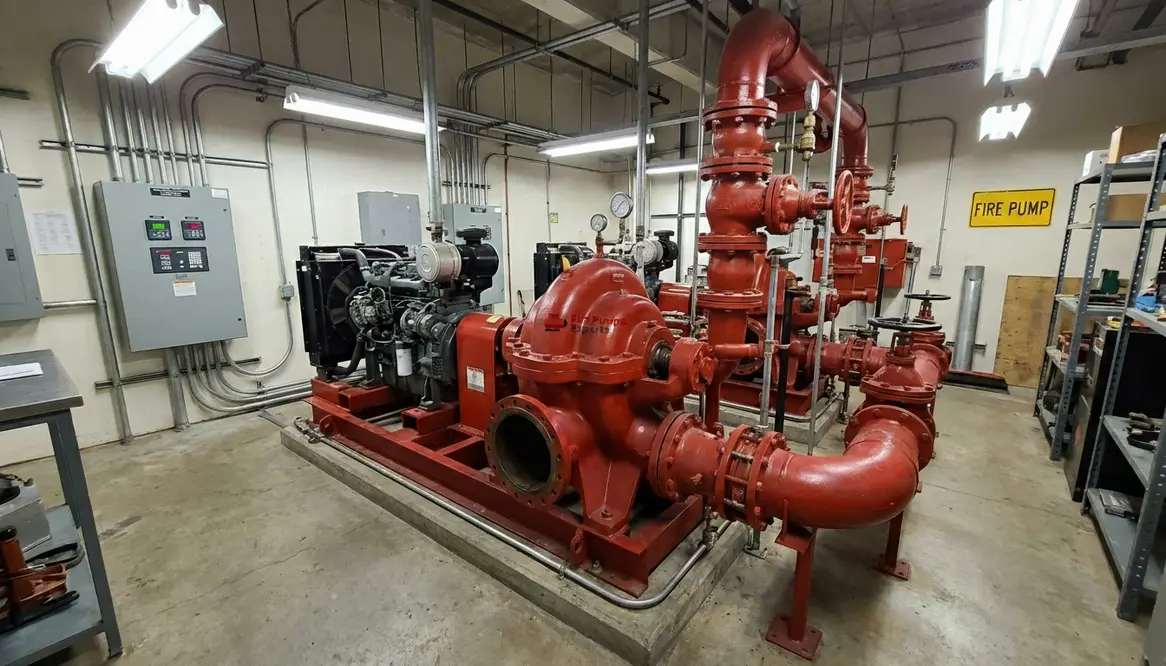
Commercial Fire Pump Design for Reliable Systems
I have spent years around mechanical rooms that hum like a quiet orchestra, and if there is one truth I keep coming back to, it is this: a strong commercial fire pump design is not just a code requirement, it is the heartbeat of a building’s fire protection system. In large commercial and industrial properties, where risk carries real weight, the design decisions you make early on will echo for decades. So let’s walk through what actually matters, without the fluff, and with just enough humor to keep us awake while talking about pumps and pipes.
What makes a fire pump system truly reliable?
First, reliability is not luck. It is engineered. I always start by thinking about worst case scenarios, because fires rarely send a calendar invite.
Therefore, I focus on water supply. A pump is only as good as the water feeding it. Whether it is a municipal connection, a storage tank, or a combination, I verify flow and pressure under peak demand. Then, I look at redundancy. A backup power source, often a diesel driver or generator, ensures the system keeps running when the grid decides to take a nap.
Moreover, I pay attention to pump selection. Horizontal split case pumps are common in large facilities, and for good reason. They are reliable, efficient, and easier to maintain. Vertical turbine pumps step in when the water source sits below ground. Choosing the wrong type is like casting the wrong actor for a lead role. It might work, but it will not shine.
Commercial fire pump design that aligns with real building demands
Every building tells a different story. A high rise office tower does not behave like a manufacturing plant, and I treat them accordingly. While codes set the baseline, I go further by evaluating actual risk profiles.
For example, I consider system demand curves carefully. Sprinkler systems, standpipes, and hose allowances all add up. Then, I size the pump to meet peak demand without overshooting. Oversizing may sound safe, yet it can cause pressure issues and system wear over time. Bigger is not always better, despite what action movies might suggest.
In addition, I plan for future expansion. Commercial developers rarely build just for today. So I leave room in the design for added capacity, because retrofitting later is far more expensive than planning ahead. Thoughtful commercial fire pump design anticipates what the building will need ten or twenty years from now, not just on day one.
How do I optimize layout and space without sacrificing performance?
Space is always tight. Mechanical rooms are not exactly known for their generous square footage. Still, I design layouts that allow proper access, ventilation, and maintenance clearance.
Here is how I balance it:
Key Considerations
- Clear access to controllers and valves
- Adequate drainage to handle testing and discharge
- Proper ventilation for diesel engines
Why It Matters
- Technicians can service equipment quickly
- Prevents water damage and safety hazards
- Maintains performance and extends lifespan
Furthermore, I avoid cramming equipment into corners. A cramped setup might pass inspection, but it will frustrate every technician who walks in later. And trust me, frustrated technicians tend to remember your name.
Power sources and control systems that actually hold up
Power is where theory meets reality. Electric pumps are efficient and clean, yet they depend on grid reliability. Diesel pumps, on the other hand, bring independence but require more maintenance.
So I often recommend a combination. This way, if one system fails, the other steps in. It is not dramatic, but it is effective.
Meanwhile, controllers act as the brain of the system. Modern fire pump controllers offer monitoring, alarms, and integration with building systems. I make sure these controls are intuitive, because in an emergency, nobody wants to read a manual thicker than a fantasy novel.
Commercial fire pump design and compliance without the headache
Codes and standards are not optional. NFPA 20 sets the framework, and local regulations add another layer. I treat compliance as a starting point, not the finish line.
Additionally, I coordinate with authorities early. Waiting until the end to address compliance is like trying to fix a plot hole in the final scene. It rarely ends well.
Documentation also matters. Clear plans, accurate calculations, and proper testing records make approvals smoother. And yes, inspectors do appreciate a well organized submittal package. It is the closest thing to a love letter in this industry.
Well executed commercial fire pump design blends code compliance with practical realities in the field, so the system not only passes review but also performs when real heat shows up.
Maintenance planning starts during design, not after
A system that cannot be maintained will eventually fail. So I design with long term service in mind. This includes accessible valves, removable components, and clear labeling.
Moreover, I consider testing requirements. Weekly and annual tests require water discharge, so I ensure proper routing and disposal. Nobody wants a surprise indoor waterfall during a routine test.
Finally, I align the design with facility management capabilities. A highly complex system may look impressive, but if the team cannot maintain it, it becomes a liability.
Thoughtful commercial fire pump design allows technicians to test, service, and troubleshoot without feeling like they are working inside a puzzle box. When maintenance is easy, reliability improves, and everyone sleeps better.
FAQ: Fire Pump Systems for Commercial Properties
Closing thoughts and next steps
If you are planning a major commercial or industrial project, now is the time to get your fire pump system right. I can help you shape a solution that performs under pressure, meets every requirement, and stands the test of time. Reach out today, and let’s build a system that works quietly in the background until the moment it matters most. Because when it does, there is no room for improvisation.
If you are already operating a facility and want expert support on inspection, testing, and long term care for your equipment, you can also lean on specialized providers like Kord Fire’s fire pump services to keep your system ready for the one day it absolutely has to perform.
In the end, commercial fire pump design is about stacking the odds in your favor: the right water supply, the right pump, the right layout, the right power, and the right maintenance plan. Put those pieces together thoughtfully, and the system will be there for you when the alarms sound.