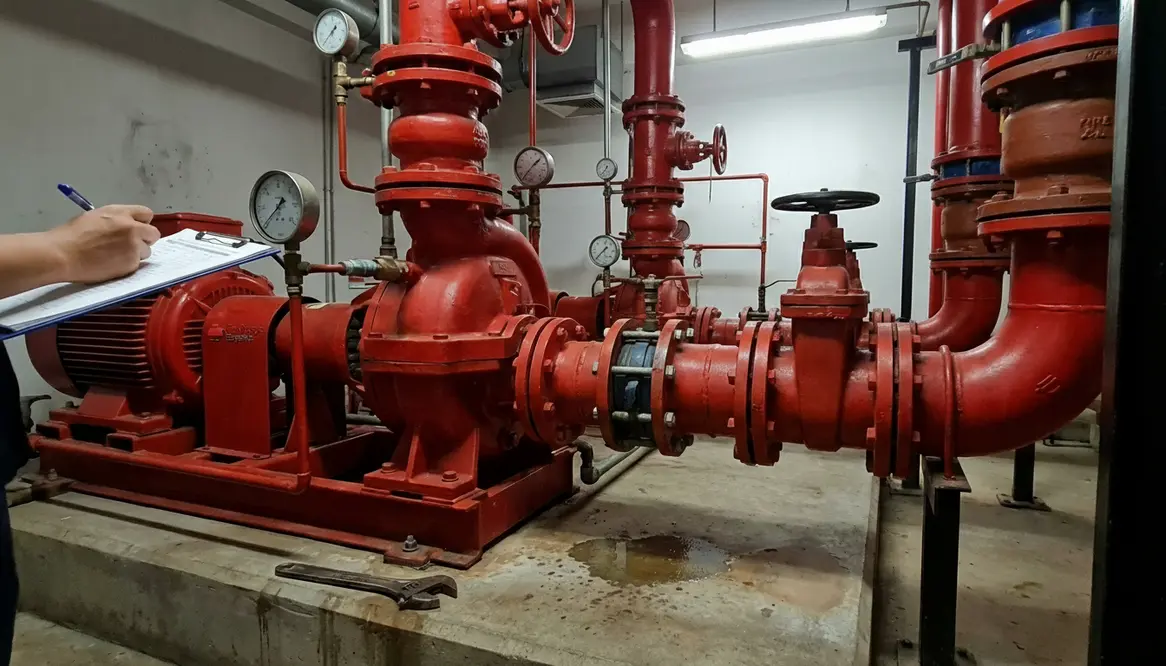
Fire Pump Wear Detection Signs and Prevention Tips
I have spent enough time around pump rooms to know one truth. Equipment rarely fails without whispering first. The trick is knowing how to listen. That is where fire pump wear detection comes in. In large commercial and industrial facilities, a fire pump is not just another piece of machinery. It is the quiet guardian in the background. And like any guardian, it shows signs of fatigue before it falters. If you catch those signs early, you stay ahead. If you ignore them, well, let us just say the fire marshal will not be impressed.
Think of your fire pump as the last line of defense when everything else has gone wrong. The better your fire pump wear detection strategy, the less likely you are to be surprised when the heat is on.
Whether you manage a high-rise, a warehouse, or a sprawling industrial site, your goal is simple: no surprises. That starts with knowing what your pump is trying to tell you long before it fails.
Early Signs of Fire Pump Wear Detection You Should Never Ignore
I always start with the obvious, because the obvious is often overlooked. A pump does not suddenly wake up one morning and decide to retire. Instead, it drops hints.
1. Changes in Sound: From Steady Hum to Warning Siren
First, listen carefully. If the pump begins to sound different, that is not character, that is a warning. A steady hum turning into a rattle or whine often signals internal wear. Bearings, couplings, or misalignment can all show up first in the soundtrack of your pump room. Good fire pump wear detection starts with good listening.
2. Vibration That Will Not Sit Still
Vibration is a telltale sign. When a pump starts shaking like it just drank three espressos, something inside is off balance. Misalignment, worn bearings, damaged impellers, or failing mounts can all show up as increased vibration. If you feel it through the floor or see it in the pipe supports, you are already late to the party.
3. Performance Drops You Cannot Ignore
Then there is performance. If pressure drops or flow becomes inconsistent, you are no longer operating at full strength. That matters in high demand systems where reliability is everything. I have seen facilities ignore slight dips, only to face major repairs later. A small loss in performance today can be the first chapter in tomorrow’s failure report.
4. Leaks: Small Drips, Big Warnings
And yes, leaks matter. Even minor drips around seals or joints can point to bigger internal issues. Think of it like a leaky faucet, except this one protects an entire building. Gaskets, packing, and seals do not just start leaking for fun; they are telling you about pressure, alignment, or wear further inside.
What Causes Fire Pump Wear in Commercial Systems
Now, let us talk about why this happens. Because understanding the cause makes detection far more effective. You cannot build a smart fire pump wear detection plan if you do not know what you are actually looking for.
Friction and Mechanical Stress
In my experience, wear often begins with friction. Bearings, seals, and impellers all experience stress over time. Without proper lubrication or alignment, that stress accelerates damage. A slightly misaligned shaft today becomes a chewed-up bearing tomorrow and an emergency shutdown the day after.
Water Quality and Debris
Water quality plays a role. Sediment and debris can slowly erode internal components, almost like sandpaper working overtime. Corrosion, scaling, and buildup on impellers or casings quietly eat away at performance. When you add in poor strainers or neglected suction sources, the damage only speeds up.
Operational Habits and Abuse
Operational habits also matter. Frequent cycling or running the pump outside its optimal range creates unnecessary strain. It is a bit like revving a car engine nonstop and expecting it to last forever. Hollywood might make that look cool, but your equipment disagrees. Overspeeding, dead-heading, or starving the pump all leave scars.
Neglect: The Silent Partner in Failure
Finally, neglect is the silent partner in most failures. Skipping inspections or delaying maintenance allows small issues to grow. And they will grow. They always do. Checking off a box on a form is not the same as actually looking, listening, and measuring.
How I Inspect a Fire Pump System Like a Pro
When I approach a system, I follow a deliberate rhythm. Not rushed. Not careless. Because thorough inspection is the backbone of effective fire pump wear detection.
Visual Checks
- Look for corrosion, leaks, and loose fittings
- Check alignment of pump and motor
- Inspect coupling for wear
Performance Checks
- Monitor pressure consistency
- Track flow rates under load
- Listen for unusual sounds during operation
At the same time, I rely on data. Gauges and monitoring tools are not decorations. They tell a story. When readings drift from normal ranges, I pay attention immediately.
And here is a small truth. The more familiar you are with your system, the easier it becomes to notice when something feels off. It is like recognizing a song played in the wrong key. Subtle, but unmistakable.
If you want outside help building that same level of familiarity, working with a specialist fire pump service provider like Kord Fire’s fire pump inspection and maintenance team is one of the simplest ways to tighten up your routine and keep your system honest.
Can Smart Monitoring Improve Fire Pump Wear Detection
Absolutely. And honestly, it is about time we let technology do some of the heavy lifting.
Modern monitoring systems track vibration, temperature, and pressure in real time. This means you do not have to rely solely on periodic inspections. Instead, you get continuous feedback. If something changes, you know right away. For fire pump wear detection, that kind of trending data is pure gold.
In large commercial properties, this is a game changer. You are not just reacting to problems. You are predicting them. It feels a bit like having a dedicated digital attendant watching your pump 24/7 and tapping you on the shoulder when something shifts.
However, technology is not a replacement for human oversight. It is a tool. You still need experienced eyes interpreting the data and making informed decisions. Sensors can tell you what is happening; people still decide what to do about it.
Why Preventive Maintenance Keeps You Ahead
I have said it before and I will say it again. Maintenance is not an expense. It is an investment.
Scheduled servicing keeps components in good condition and extends the life of the system. More importantly, it reduces the risk of sudden failure. In industrial environments, downtime is costly. In fire protection systems, it is unacceptable.
By integrating routine checks with proactive fire pump wear detection, you create a layered defense. Each inspection builds on the last. Each adjustment prevents escalation. You do not just “hope” the pump will run; you know how it has been running for months.
And let me add this. A well maintained pump does not just perform better. It also gives you peace of mind. That alone is worth the effort.
Putting Fire Pump Wear Detection Into Daily Practice
If you want your program to move beyond a checklist taped to a clipboard, build fire pump wear detection into the rhythm of the facility. That means routines your team can actually follow and data you will actually use.
- Short, consistent weekly walk-throughs to listen, look, and feel for changes
- Monthly reviews of pressure logs, event logs, and test results
- Annual deep dives with certified experts who can test, adjust, and document everything
- Clear thresholds for when a “small issue” becomes a “call in the pros right now” situation
When you approach it that way, fire pump wear detection stops being a one-time project and becomes part of how the building is run.
Conclusion: Stay Ahead Before Problems Find You
I always tell facility managers the same thing. Do not wait for alarms to tell you what your system has been trying to say all along. Pay attention early. Act consistently. And invest in the right expertise. When you take fire pump wear seriously, you protect more than equipment. You protect people, property, and operations. If you are ready to strengthen your system and avoid costly surprises, now is the time to act.
FAQ
Below are quick answers to common questions that come up when teams start tightening up their fire pump wear detection practices.