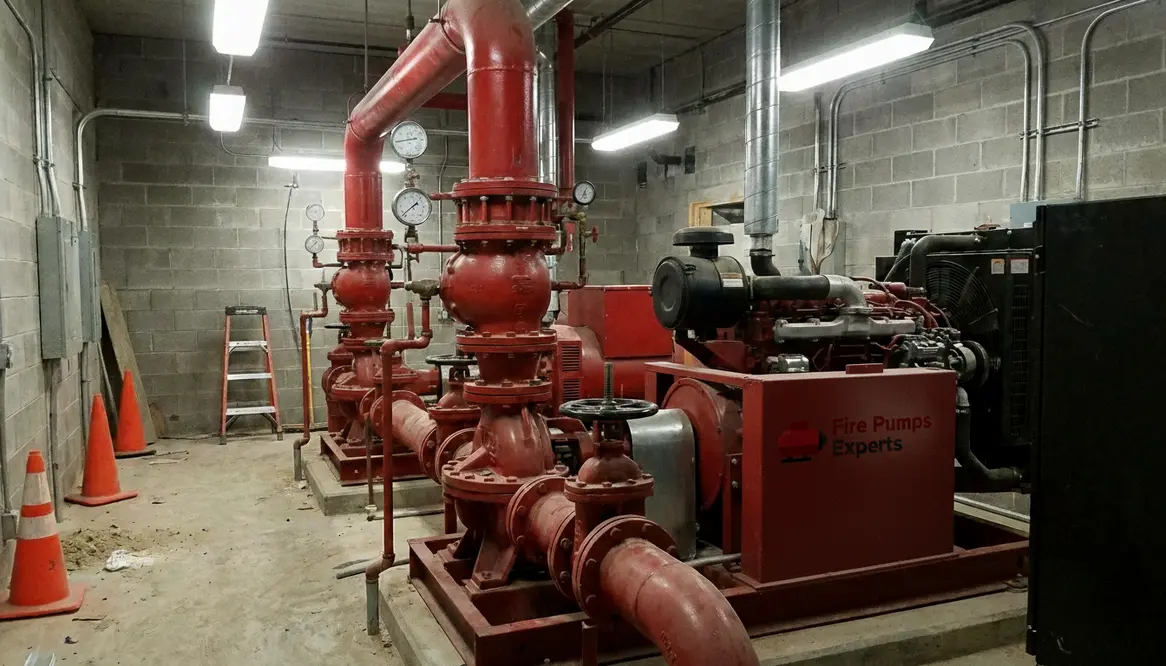
Entertainment Venue Fire Pumps in Leasehold Improvements
I have seen many leasehold improvements start with excitement and end with a clipboard full of code corrections. Somewhere between the new walls and fresh paint, the question of fire protection steps in, calm but firm, like a seasoned narrator reminding you what really matters. When I evaluate entertainment venue fire pumps for a project, I do not rush. Because while lighting and layout win applause, fire protection keeps the building standing for the next show.
So let me walk you through it, step by steady step. Think of it as less of a checklist and more of a quiet conversation with your building about what it truly needs.
Understanding the Scope of a Leasehold Improvement
First, I look at what is actually changing. Not every improvement triggers the same fire protection requirements. However, once you alter occupancy, increase load, or expand usable space, the rules begin to shift.
For example, converting a quiet retail unit into a high traffic entertainment space changes everything. More people means higher risk, and therefore stronger fire flow demands. As a result, the existing system may no longer keep up.
In addition, I consider how the space will function daily. Will there be stages, kitchens, or large assembly areas? Each element quietly raises the bar for fire safety. And yes, the building code notices all of it, even if you hope it will not.
How do I know if a fire pump is required?
I start with the water supply. If the municipal system cannot meet the required flow and pressure for the sprinkler system, then a fire pump enters the conversation. Simple in theory, but rarely simple in practice.
Next, I compare demand versus supply. If demand wins, and it usually does in dense commercial projects, then a pump becomes essential. This is especially true for entertainment venue fire pumps, where occupant safety depends on consistent performance under pressure.
Also, I review fire department access and response expectations. If response time is longer, the system must work harder on its own. That is not the moment to rely on hope and good intentions.
Key Factors I Evaluate Before Selecting a Fire Pump
Building Demand
I calculate sprinkler demand based on hazard classification. Assembly spaces often push systems into higher demand categories.
Water Supply Test
I rely on current flow test data, not guesses. Water systems change over time, and old data can mislead.
System Pressure Requirements
I determine the pressure needed at the most remote sprinkler head. That is where the system feels the most strain.
Future Expansion
I plan ahead. Because no one wants to replace a pump after one renovation cycle.
Equipment Space
I check if there is room for the pump, controller, and access clearance. Tight spaces make maintenance a nightmare.
Power Reliability
I evaluate whether electric or diesel makes more sense. Power loss during an emergency is not a plot twist you want.
While these factors sound technical, they tell a simple story. The building must protect people without hesitation.
Design Coordination with Existing Systems
Now here is where things get interesting. Leasehold improvements rarely start from scratch. Instead, I work with existing infrastructure, which can feel like renovating a classic car. Charming, but full of surprises.
I coordinate with the current sprinkler system, standpipes, and alarm components. If the existing system cannot support upgrades, then partial replacement becomes necessary. And yes, that conversation can get uncomfortable fast.
Additionally, I align pump selection with system layout. A mismatch here creates inefficiency and long term issues. It is like pairing a sports car engine with bicycle tires. Technically possible, but deeply unwise.
Compliance and Code Alignment
Every decision I make must align with local codes and national standards. NFPA guidelines shape the foundation, while local amendments fine tune the details.
However, compliance is not just about passing inspection. It is about building a system that performs under stress. Inspectors may leave after approval, but the system stays for the life of the building.
So I work closely with authorities having jurisdiction early in the process. This avoids costly redesigns later. Because nothing slows a project like a last minute code conflict. Well, except maybe a surprise budget meeting.
Cost Versus Long Term Value
Let me be honest. Fire pumps are not the most glamorous line item. No one throws a grand opening party for a pump room. But they should, considering what is at stake.
I always weigh upfront cost against long term reliability. A cheaper system may save money today, but it can cost far more in maintenance and risk over time.
For entertainment venue fire pumps, reliability is everything. These buildings host large crowds, and safety systems must perform without hesitation. That is not the place to cut corners.
If you want to see how this fits into a broader strategy for special-purpose facilities, resources like https://www.firepumps.org can help frame the bigger picture while you sort out the specifics of your leasehold project.
FAQ: Quick Answers for Fast Decisions
Final Thoughts and Next Steps
Evaluating fire pump needs is not just a technical task. It is a responsibility that shapes how a building protects its people and its purpose. If you are planning a leasehold improvement, now is the time to look deeper, ask better questions, and make informed choices. Reach out to a qualified expert who understands commercial systems and entertainment venue fire pumps, and make sure your project stands strong long after the lights come on.