Entertainment Venue Fire Pumps Systems Guide
I have spent years around large commercial properties, and I can tell you this with calm certainty: when people gather for entertainment, risk quietly gathers too. That is exactly where entertainment venue fire pumps step in. These systems are not flashy like stage lights or sound rigs, yet they are the quiet guardians behind every concert, arena, and theater. And while no one buys a ticket to admire a pump room, everyone benefits from it working perfectly. So let me walk you through what systems are truly needed, and why getting this right is not optional.
What fire pump systems do entertainment venues actually need?
Let me answer this the way most facility managers wish someone had done on day one. You do not just need a pump. You need a coordinated system that responds fast, scales with the building, and never hesitates.
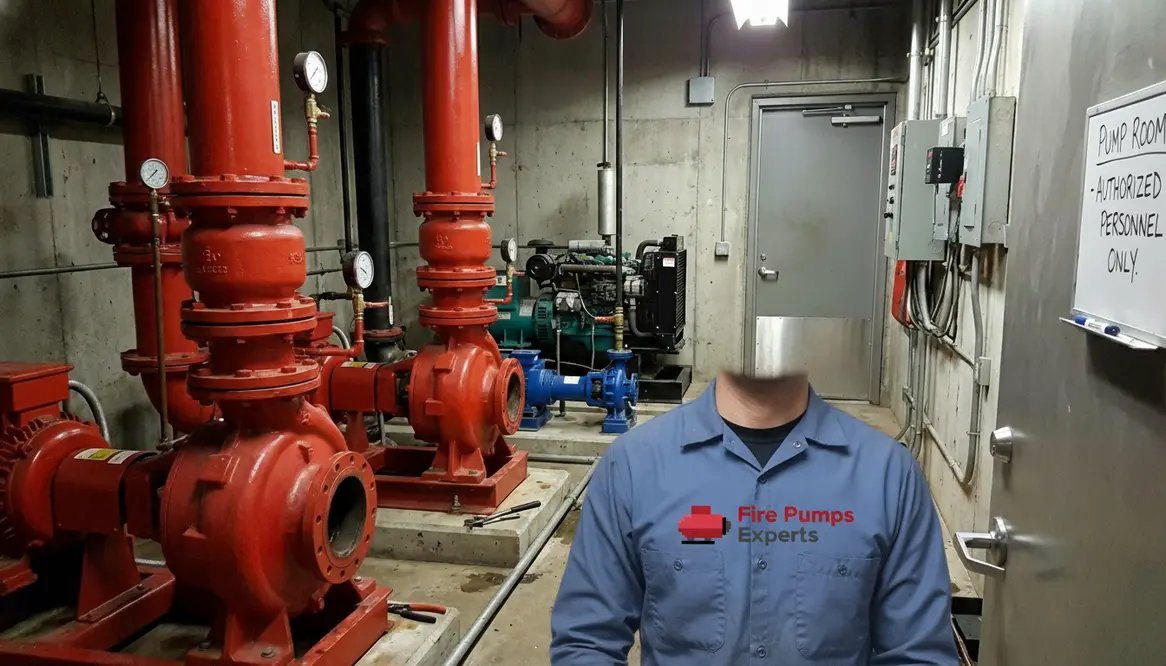
First, I always recommend a main fire pump sized for peak demand. Large venues like stadiums or multi level theaters often require high flow rates to support sprinklers, standpipes, and sometimes water curtains. Then, you pair that with a jockey pump. It keeps pressure steady and prevents the main pump from cycling on and off like an overworked DJ.
Additionally, a backup power source is essential. Electric pumps are common, but diesel driven units provide reliability when power fails. And yes, power does fail, usually at the worst possible moment, like during the final encore.
Finally, you need a controller system that reacts instantly. Modern controllers monitor pressure drops and activate pumps without delay. In short, the system must think faster than a crowd can panic.
Designing fire pump systems for high occupancy spaces
Why entertainment venues are different
Entertainment spaces are not like office buildings. They pack people in, dim the lights, and add distractions. Because of that, I approach design with a different mindset.
Occupant load and vertical reach
First, I look at occupant load. A packed arena demands higher water flow and pressure than a sparsely occupied warehouse. Then, I consider vertical reach. Multi tier seating and balconies require pumps that can maintain pressure across elevations.
Redundancy is not optional
Moreover, I factor in system redundancy. If one component fails, another must take over immediately. This is not about luxury. It is about continuity of protection.
And let us be honest for a moment. When thousands of people are trying to leave at once, no one wants to discover the system was “almost good enough.” Almost works in movies. Not in real life.
Key components that make entertainment venue fire pumps reliable
I like to think of these systems as a team. Each part has a role, and if one slacks off, the whole operation suffers.
Core equipment
- Main fire pump sized for demand
- Jockey pump for pressure stability
- Diesel or electric driver
- Fire pump controller
Support systems
- Water supply connection and storage
- Backflow prevention
- Pressure relief valves
- Monitoring and alarm integration
However, equipment alone does not guarantee performance. Installation quality and routine testing matter just as much. I have seen top tier pumps underperform simply because someone treated maintenance like an optional sequel nobody asked for.
Compliance, codes, and why they shape every decision
How standards steer entertainment venue fire pumps
Now, let us talk about the rules. Not the fun part, I know, but absolutely necessary. Codes like NFPA 20 and NFPA 13 guide how fire pump systems are designed and installed in commercial properties.
Because entertainment venues fall under high risk occupancy, inspectors expect strict compliance. That means proper sizing, dedicated pump rooms, and reliable water sources. Additionally, local codes may require enhanced redundancy depending on the size and use of the space.
I always advise clients to think beyond minimum compliance. Meeting code keeps you legal. Exceeding it keeps you prepared. And if you have ever watched a disaster movie, you know preparation is what separates the extras from the survivors.
Maintenance strategies that keep systems performance ready
Keeping entertainment venue fire pumps ready to perform
Even the best entertainment venue fire pumps need attention. In fact, ongoing maintenance is where many facilities either shine or stumble.
Weekly churn tests, monthly inspections, and annual flow testing ensure the system performs under real conditions. Moreover, controllers and alarms must be checked regularly to confirm proper communication with building systems.
But here is the part people overlook. Documentation matters. Keeping accurate records not only supports compliance but also helps identify trends before they become problems.
And yes, skipping maintenance might save time today. However, it usually costs far more later, often at the worst possible moment. That is a trade I never recommend.
Choosing the right fire pump partner for large venues
Specialists for complex entertainment properties
Not all providers understand the scale and complexity of entertainment facilities. Therefore, I always stress working with specialists who focus on commercial and industrial properties.
You want a partner who can design, install, and maintain systems tailored to large scale environments. Additionally, they should understand how fire protection integrates with crowd safety, building systems, and operational demands.
In my experience, the right partner does more than install equipment. They act as a long term ally, ensuring your system evolves with your venue. Because buildings change, and your protection strategy should keep up.
How entertainment venue fire pumps protect real crowds
When you look at a sold out arena, an indoor concert, or a packed theater, what you are really seeing is a carefully coordinated safety strategy at work. The lighting, the exits, the alarms, and the entertainment venue fire pumps are all tied together to move water, move people, and move information the second something goes wrong.
That is why I point venue owners to resources like https://firepumps.org when they want to better understand the technology sitting in their pump rooms. The more you understand about your system, the better decisions you can make about upgrades, testing, and long term investment.
FAQ
Conclusion
When I look at a packed venue, I do not just see a crowd. I see a system working quietly behind the scenes to keep everyone safe. That is the role of a well designed fire pump system. If you manage or own a large entertainment property, now is the time to evaluate your setup, partner with experts, and ensure every component performs without hesitation. Because in this business, reliability is not optional. It is everything.