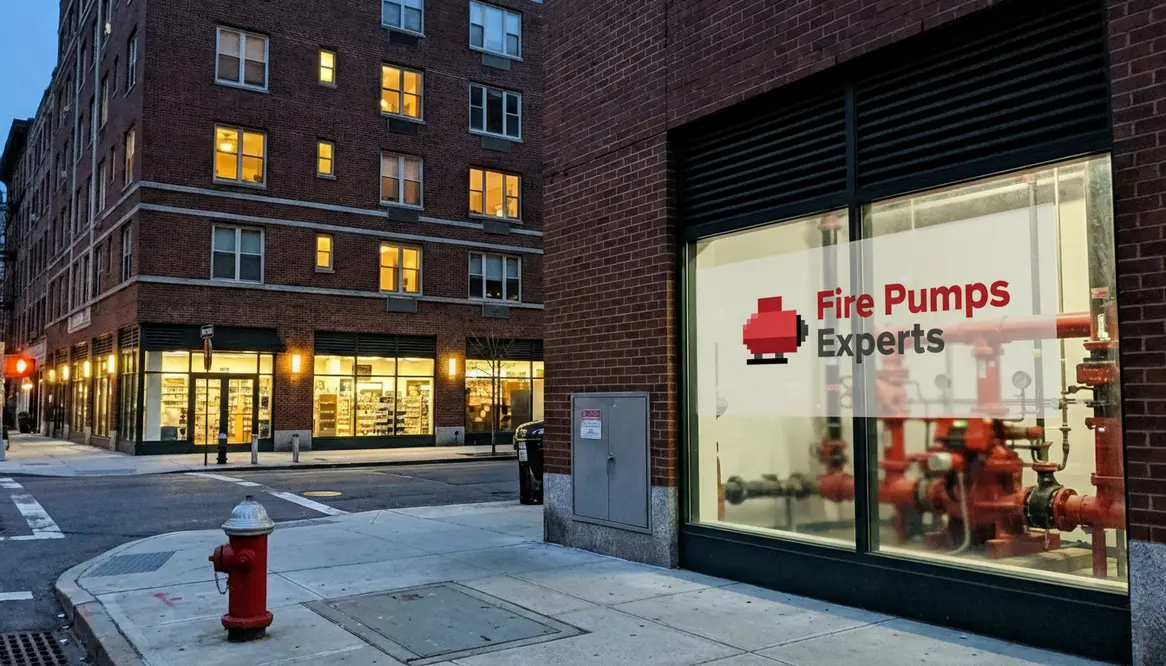
Live Work Fire Pump Systems for Mixed Use Safety
Fire Safety for Blended Live and Business Use
I have seen buildings wear two hats at once. A place where commerce hums by day and life settles in by night. It sounds efficient, even a little poetic. Yet when it comes to fire safety, poetry needs structure. That is where live work fire pump systems quietly take center stage. They do not demand applause, but they do demand attention. And rightly so, because when risk grows complex, protection must grow smarter.
So let us walk through this together. Calmly. Clearly. And with just enough humor to keep us awake, because fire safety should never feel like a lullaby.
Why blended use buildings change the fire safety equation
When people ask me why mixed use properties need special planning, the answer is simple. You are combining two very different risk profiles under one roof. On one floor, you might have commercial kitchens, equipment, or storage. Above that, people are sleeping, unaware, dreaming about anything but emergency exits.
Because of this, response time becomes everything. A fire that starts in a business space can move upward fast. Therefore, systems must detect, contain, and suppress before chaos gets a vote. I always say, fire does not care about your lease agreement. It moves where it can.
That is why integrated protection matters. Sprinklers, alarms, and dedicated pumping systems must work together, not like coworkers who avoid eye contact in the break room.
How live work fire pump systems protect complex properties
At the heart of many commercial and industrial grade buildings sits a reliable pumping system. It ensures that water pressure stays strong when it matters most. In blended environments, demand can spike unpredictably. Therefore, a system designed specifically for these conditions is not optional. It is essential.
I like to think of it as the steady heartbeat of the building. When everything else feels uncertain, it keeps the flow consistent. Additionally, these systems support large scale sprinkler networks across multiple zones, which is critical when different areas carry different hazards.
And let me be honest. If your fire protection plan relies on luck, you are essentially betting against physics. That is not a bet I recommend.
What should I prioritize when designing fire safety for mixed use buildings
You start with separation and coordination. Those two ideas may sound like opposites, but together they create resilience.
- Fire rated barriers keep hazards contained between commercial and residential zones
- Dedicated alarm systems ensure alerts reach occupants clearly and quickly
- Pressure consistency through advanced pumping solutions keeps suppression systems effective at all levels
- Code compliance tailored to commercial and industrial scale operations prevents costly redesigns later
However, design is not just about meeting code. It is about anticipating behavior. People hesitate. They grab belongings. They second guess alarms. So your system must act faster than human doubt.
Balancing comfort and compliance without compromise
Here is where things get interesting. Property owners often worry that stronger safety measures will disrupt daily operations or tenant comfort. In reality, the opposite is true.
When systems are properly designed, they operate quietly in the background. No drama. No inconvenience. Just readiness. Meanwhile, occupants feel safer, even if they cannot quite explain why. That sense of security adds value in ways spreadsheets rarely capture.
Besides, nothing ruins a tenant experience quite like an avoidable emergency. That tends to leave a lasting review, and not the five star kind.
Operational Benefits
- Consistent water pressure across all floors
- Reduced downtime during inspections
- Seamless integration with large scale systems
Risk Reduction
- Faster fire suppression response
- Improved containment between zones
- Lower long term liability exposure
How live work fire pump systems support long term safety strategies
Fire safety is not a one time decision. It is an ongoing commitment. Systems must be tested, maintained, and occasionally upgraded as building use evolves. That is especially true in properties where commercial activity shifts over time.
Because of this, I always recommend planning for scalability. A well designed pumping system can adapt to increased demand without requiring a full overhaul. That flexibility saves both time and capital, which any facility manager can appreciate.
And let us not forget inspections. Regular testing ensures everything performs as expected. It is a bit like going to the doctor. You do not go because something is wrong. You go to make sure nothing is.
For owners of mixed use properties, prioritizing live work fire pump systems means building a foundation that can support changing tenants, revised layouts, and evolving codes without constant reinvention.
Putting live work fire pump systems in the bigger safety picture
In mixed use buildings, no single measure is enough on its own. Sprinklers need dependable water. Alarms need clear audibility. Evacuation plans need routes that stay protected long enough to use. This is where well planned live work fire pump systems quietly pull everything together behind the scenes.
They support vertical coverage from basement parking levels to top floor residences, provide the backbone for standpipes and hose valves, and help maintain performance even when municipal supply pressure is less than impressive. When paired with thoughtful zoning and smart monitoring, they become part of a larger life safety strategy rather than just another mechanical room asset.
Design teams, facility managers, and owners who treat these systems as long term infrastructure investments rather than line item expenses tend to see fewer surprises, better inspection outcomes, and more confidence from occupants and insurers alike.
FAQ
Conclusion
When a building serves both business and life, its safety systems must rise to the occasion. That means planning with intention, investing in reliability, and choosing solutions that handle complexity with ease. If you are managing or developing a large scale property, now is the time to act.
Explore advanced fire protection strategies that fit your structure today and grow with it tomorrow. Well designed live work fire pump systems sit at the core of that effort, giving sprinklers and standpipes the strength they need when every second counts. Because in this line of work, preparation is not optional. It is everything.