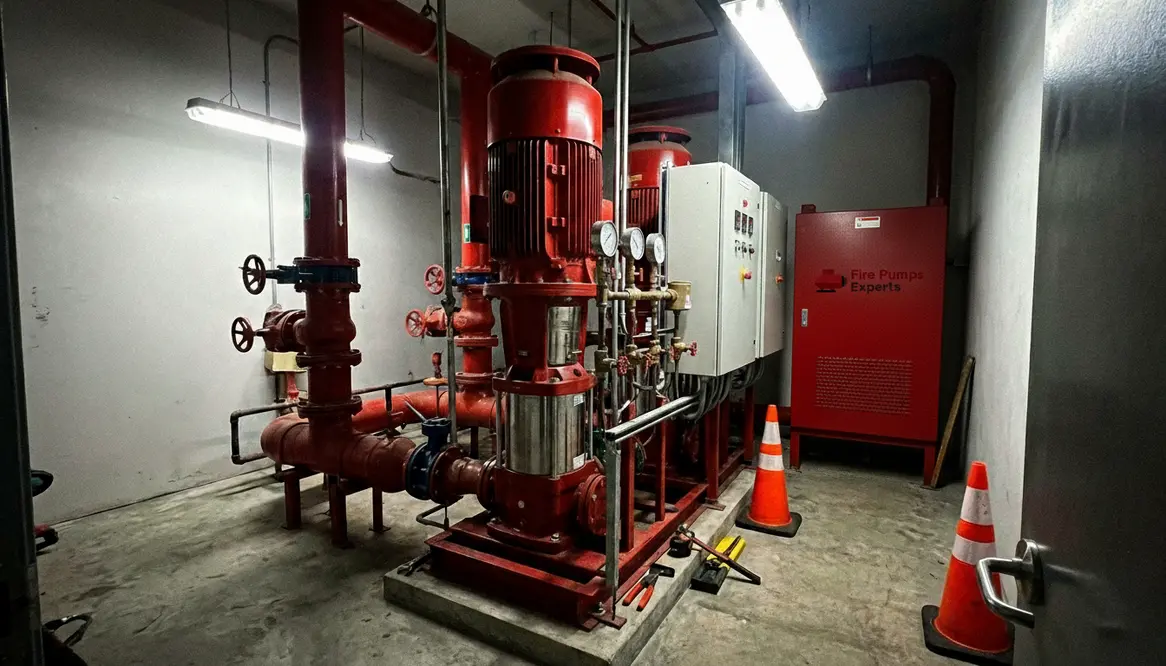
Vertical Apartment Fire Pump Systems for High Rise Safety
I have spent years watching buildings climb higher into the sky, and with that rise comes a quiet, serious question. How do we move water upward fast enough to tame fire when seconds matter? That is where vertical apartment fire pump systems step into the spotlight. In tall apartment projects, these systems are not just equipment, they are lifelines hidden behind concrete and steel. And while they may not get the cinematic glory of a superhero entrance, trust me, when things heat up, they are the real Avengers of building safety.
Understanding Fire Pump Design for High Rise Living
When I design for tall structures, I start with one truth. Gravity is not your friend. Water does not want to climb fifty stories just because we asked politely. Therefore, I calculate pressure demands with precision, ensuring every floor receives adequate flow.
Moreover, high rise fire protection relies on carefully matched pump capacity, pressure ratings, and system layout. I consider standpipe systems, sprinkler zones, and elevation changes together. If one piece falls short, the whole system stumbles.
In addition, I always account for peak demand scenarios. Fires do not schedule appointments. So the system must handle simultaneous use across multiple floors without hesitation.
How do I size a fire pump for tall apartment buildings?
I begin with hazard classification and required flow rates. Then I layer in building height, friction loss, and pressure at the highest outlet. It sounds technical, and it is, but the logic stays grounded.
First, I determine the gallons per minute required for sprinklers and standpipes. Next, I calculate the pressure needed to deliver that flow at the topmost level. After that, I add safety margins because real life rarely behaves like a textbook.
Finally, I select a pump that meets these combined demands without overcompensating. Oversizing might sound safe, yet it can cause system instability. Think of it like using a fire hose to water a houseplant. Effective, yes. Sensible, not quite.
Key Components That Keep Water Moving Upward
Every system I design depends on a few essential players working in harmony. When they align, performance feels effortless.
Core elements I rely on
- Pump unit that delivers required pressure and flow
- Driver usually electric or diesel, chosen based on reliability needs
- Controller acting as the brain, initiating operation during pressure drops
- Jockey pump maintaining system pressure and preventing unnecessary starts
- Pressure relief valves protecting against over pressurization
Additionally, I ensure all components meet commercial and industrial standards. After all, we are not designing for a garden shed. These are major properties where failure is not an option.
Vertical Apartment Fire Pump Systems and Space Efficiency
Space is a luxury in tall buildings. Therefore, I often lean toward vertical apartment fire pump systems because they use a smaller footprint while delivering serious performance.
These vertical configurations fit neatly into tight mechanical rooms. Moreover, they simplify piping layouts, which reduces installation complexity. And let us be honest, anything that makes a contractor smile is worth considering.
Advantages I rely on
- Compact design saves floor space
- Efficient vertical pressure handling
- Cleaner system layout
- Ideal for retrofit projects
Considerations I watch closely
- Alignment precision during installation
- Maintenance access planning
- Vibration control measures
- Motor cooling requirements
When designed correctly, these systems feel almost invisible. Yet, they stand ready like a quiet bodyguard who does not need to flex to prove strength.
Power Supply and Redundancy in High Rise Systems
I never trust a single power source. That is just asking for trouble. So I design redundancy into every serious project.
Electric pumps provide efficiency and ease of operation. However, I often pair them with diesel driven units for backup. If one fails, the other steps in without hesitation.
Furthermore, I integrate automatic transfer switches and reliable fuel storage. Because when the grid goes down, the system must keep running. Fire does not care about outages, and neither should the pump.
Maintenance Planning That Actually Works
I always say a fire pump system is only as good as its last test. Design does not end at installation. It lives on through maintenance.
Therefore, I build accessibility into every layout. Technicians need room to inspect, test, and repair without performing acrobatics worthy of an action movie.
Regular testing schedules, performance checks, and controller diagnostics keep the system sharp. Moreover, documentation ensures every inspection leaves a clear record. In my experience, consistency beats complexity every time.
Designing Smarter Vertical Apartment Fire Pump Systems
Modern projects give me tools that previous generations of designers would have envied. Variable frequency drives, smarter controllers, and data logging all sharpen how vertical apartment fire pump systems behave under stress.
I treat each building like its own ecosystem. Water supply reliability, local codes, response times, and even tenant expectations all shape the final layout. In practice, this means the same template rarely works twice. The sweet spot is where robust engineering, code compliance, and practical installation all intersect.
For deep technical standards, I often cross-check design ideas against resources such as https://firepumps.org, then refine them to match the specific demands of the property in front of me. That combination of references and real-world context is what keeps vertical apartment fire pump systems from becoming theoretical and instead makes them tangible, reliable safeguards.
FAQ Quick Answers for Fire Pump Design
What type of pump is best for tall apartment buildings?
Vertical turbine or multistage centrifugal pumps are commonly used due to their ability to handle high pressure.
How much pressure is needed in a high rise fire system?
It depends on building height, but systems must deliver enough pressure to reach the top floor with required flow.
Why are backup pumps necessary?
They ensure operation during power failure or primary pump malfunction.
How often should fire pumps be tested?
Weekly no flow tests and annual full flow tests are standard for commercial systems.
Do vertical systems save space?
Yes, they are designed for compact installation in tight mechanical rooms.
Conclusion
Designing fire pump systems for tall apartment projects is not just engineering, it is responsibility stacked floor by floor. I approach every project with precision, foresight, and a touch of healthy skepticism. If you are planning a high rise and want performance you can trust, explore solutions that prioritize reliability and efficiency. The right system will not just meet code, it will stand ready when it matters most. And that peace of mind is worth every ounce of effort from the first sketch to the final test run of the vertical apartment fire pump systems protecting the building.