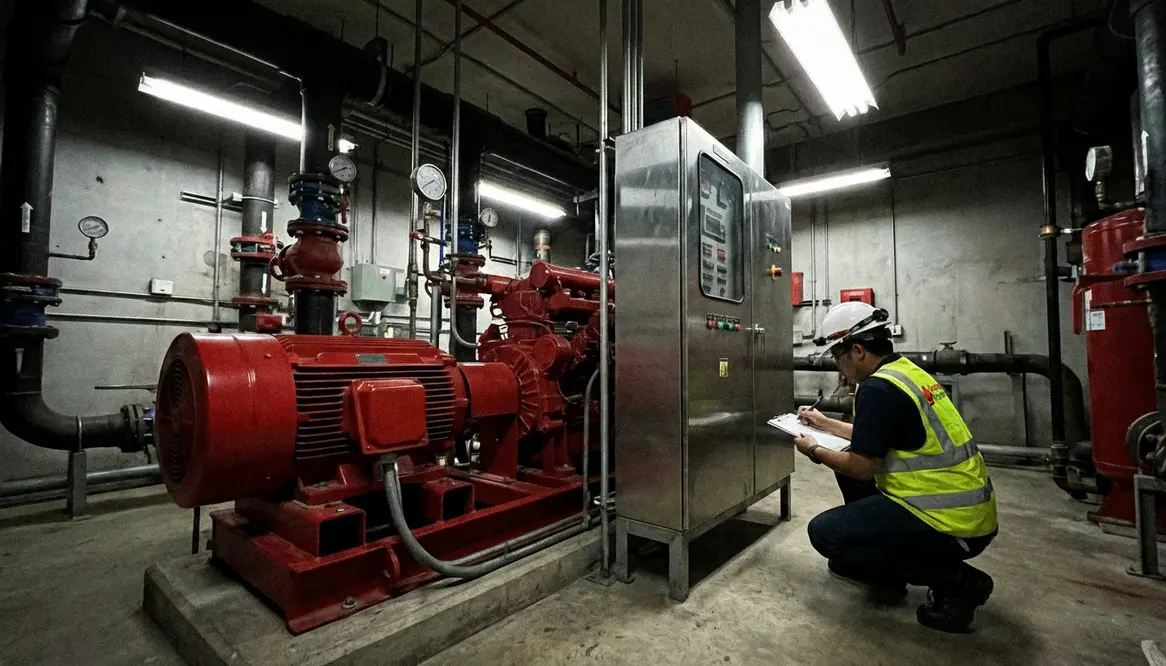
Facility Manager Fire Pump Checklist Pasadena Guide
A practical, boots-on-the-floor guide for Pasadena facility teams that need their fire pump to work the first time, every time.
I have spent many years walking through large mechanical rooms in commercial towers and industrial plants. The hum of motors, the smell of warm metal, the quiet promise that safety systems will work when the day turns bad. One system always deserves a close eye: the fire pump. If you manage a property in Southern California, you already know that reliability is not optional. That is why I often rely on a facility manager fire pump checklist Pasadena teams can follow with calm confidence.
Now, I know what you might be thinking. A checklist does not sound thrilling. True. Neither does brushing your teeth. Yet skip it for a week and suddenly everyone notices. The same logic applies here. A clear inspection routine helps facility managers protect high value commercial and industrial buildings while keeping inspectors and insurance teams happy. So let me walk you through what I track, what matters most, and why a disciplined approach keeps Pasadena facilities safe.
Why Pasadena facility managers live by the checklist
Pasadena brings aging infrastructure, dense occupancies, and tight inspections together in one place. A structured facility manager fire pump checklist Pasadena teams can repeat week after week is the difference between “we hope it works” and “we know it works.”
When that checklist is paired with professional testing services, such as a Regulation 4 fire pump test from Kord Fire Protection’s fire pump specialists, facilities get both everyday assurance and code-compliant documentation.
facility manager fire pump checklist Pasadena essentials every property team should track
First, I always start with the basics. Fire pumps sit quietly most days, which means problems can hide in plain sight. However, a solid checklist turns hidden issues into visible signals.
Here are the core elements I track during routine oversight in large facilities.
- Pump start performance. I confirm the pump starts automatically when pressure drops. If it hesitates, even briefly, that delay could matter during a real event.
- Pressure readings. I compare suction and discharge pressure during test runs. Consistent pressure tells me the pump is doing its job.
- Controller status. I check indicator lights, alarms, and controller logs. Modern controllers store valuable information about past starts and faults.
- Water supply stability. Tanks, city feed lines, and valves must remain open and unobstructed. Even a partially closed valve can quietly cripple the system.
- Fuel or power supply. Electric pumps require reliable power feeds. Diesel pumps require fuel levels and battery charge checks.
Moreover, documenting each check creates a record that proves compliance during inspections. Fire marshals appreciate good documentation almost as much as they appreciate coffee. And trust me, that is saying something.
Turning a checklist into a daily safety habit
When a facility manager fire pump checklist Pasadena teams follow becomes part of the weekly rhythm, it stops feeling like “extra work” and starts feeling like locking the front door. It is just what you do before you call the building safe for the day.
What signals tell me a fire pump system might fail
Sometimes a system looks fine until you listen closely. Over the years I have learned that fire pumps whisper warnings before they shout problems.
For example, vibration during weekly churn tests often signals alignment issues or worn bearings. At first it might feel minor. However, left alone it can damage the pump shaft or coupling.
Next comes temperature. A motor that runs hotter than normal tells a story. Often the cause is electrical imbalance or mechanical friction. Either way, I treat temperature changes like a smoke alarm for equipment health.
Another sign hides in the controller history. Repeated short cycling or unexpected start events can mean pressure sensing issues or leaking system valves. Therefore I review logs regularly rather than waiting for a problem call.
Think of it like watching a suspense movie. The music changes before the monster appears. Fire pumps work the same way. Subtle signals arrive first. A smart facility manager listens.
Early warning signs to watch
- Slight new vibration during churn tests
- Motor temperature creeping higher week after week
- Unexplained controller starts in the event log
- Pressure that takes longer than usual to stabilize
Treat these signals as the “check engine” light for your fire pump. Address them early, and they stay small. Ignore them, and they show up as midnight emergency calls.
How your checklist captures these whispers
A disciplined facility manager fire pump checklist Pasadena engineers use turns “I think it felt different” into clear, logged evidence. When the same person records readings in the same format every week, trends stand out quickly.
That is how you spot trouble months before it becomes an outage.
How Pasadena facility teams monitor weekly and monthly fire pump activity
Consistency wins this game. Even the best equipment fails if nobody checks it.
Therefore I encourage structured weekly and monthly routines. These routines do not require hours. Instead they demand focus and discipline.
|
Weekly Focus
|
Monthly Focus
|
Meanwhile, I remind teams to look at the room itself. A pump room should stay clean, dry, and easy to access. If boxes start piling up near equipment, someone eventually trips over them. And that someone is usually the person holding a clipboard during an inspection. Life has a sense of humor that way.
Room conditions: the overlooked part of every checklist
The best facility manager fire pump checklist Pasadena properties use does not stop at the equipment. It asks simple questions: Is the room dry? Is the lighting adequate? Are exits and access paths clear? Those “housekeeping” details decide whether your team can respond quickly when seconds matter.
facility manager fire pump checklist Pasadena documentation and compliance tracking
Now we reach the part that saves headaches later. Documentation.
Inspectors and insurance auditors rarely accept the phrase “we check it all the time.” They prefer proof. Therefore every inspection, test, and maintenance event should enter a clear log.
My preferred tracking approach includes the following records.
- Date and time of test runs
- Pressure readings during operation
- Controller alerts or alarms
- Maintenance actions taken
- Name of the person performing the inspection
In addition, digital logs make life easier. Many modern systems allow facility teams to export controller data or track inspections through maintenance software. As a result, managers can quickly show compliance during annual fire protection reviews.
And here is a little truth from years in the field. The building with the best records usually has the best maintained system. Documentation encourages discipline. Discipline keeps systems reliable.
How I prepare large commercial buildings for annual fire pump inspections
Every year the official inspection arrives. The inspector walks in with a calm expression and a long list of requirements. Some managers greet that moment with confidence. Others suddenly remember they meant to check the pump room six months ago.
I prefer the first scenario.
Preparation starts weeks before the inspection date. First, I review the maintenance history. If any issues appeared during the year, I confirm repairs were completed and documented.
Next, I run a full flow test review. Although licensed fire protection contractors typically handle formal flow testing, facility teams should still understand the results. Stable pressure curves tell me the pump performs as designed.
Then I check room readiness. Lighting must work. Access must remain clear. Identification labels must stay visible. These details seem small, yet inspectors notice them immediately.
Finally, I gather documentation in one place. Inspection reports, weekly logs, service invoices, and controller records all sit ready for review. This step turns a stressful inspection into a calm conversation.
And yes, occasionally the inspector even smiles. Rare, but it happens.
FAQ about fire pump monitoring for Pasadena facilities
Facility managers ask many of the same questions when they first build a structured fire pump program. The answers rarely change, but the stakes always stay high.
Conclusion
Fire pumps rarely demand attention until the day they are needed. However, that quiet presence hides serious responsibility. By following a disciplined monitoring routine, using tools like a structured checklist, and documenting each inspection, facility managers protect people, property, and operations. If you oversee a large commercial or industrial building in Pasadena, now is the time to review your fire pump oversight process and ensure your system stands ready when it matters most.