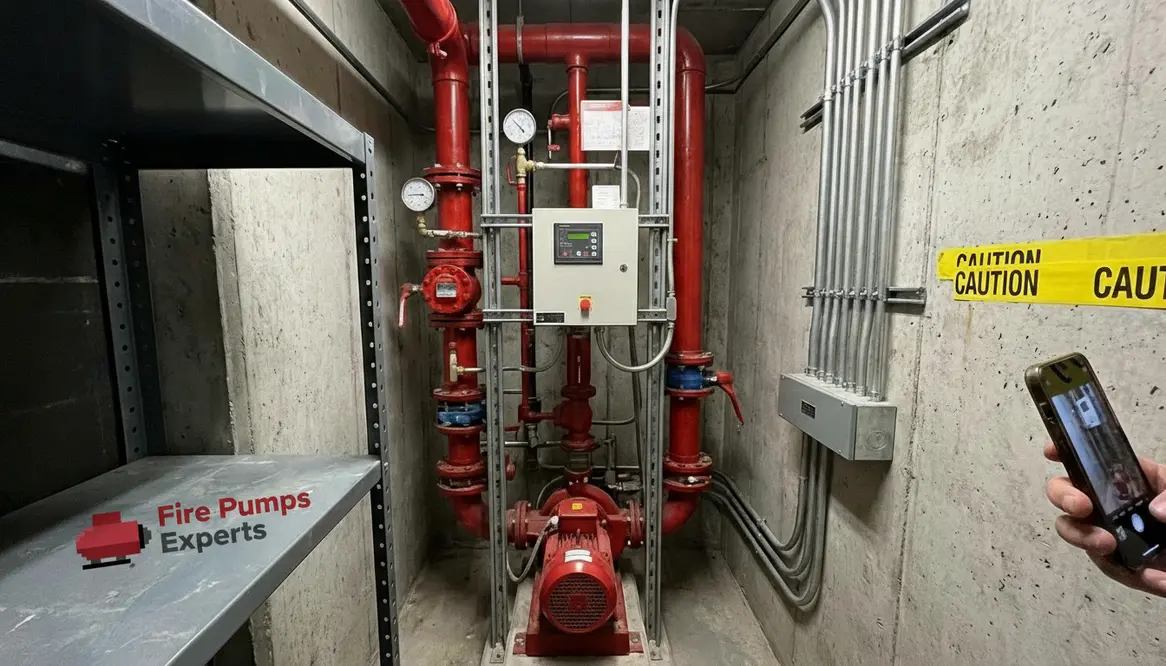
Fire Pump Compact Design Australia for Urban Spaces
I have spent years looking at buildings that seem to defy gravity, yet struggle to find a few spare square meters for critical infrastructure. That is where fire pump compact design Australia enters the story, not as a luxury, but as a necessity. In dense urban environments, every inch counts. And yet, fire protection cannot be squeezed out like last season’s office furniture. So I approach these designs with a steady mindset, a bit of creativity, and occasionally the quiet confidence of someone who knows that even Batman would want a reliable fire system in his cave.
Why Space Constraints Change Fire Pump Design in Cities
In urban facilities, I often deal with tight basements, shared service corridors, and mechanical rooms that feel more like storage closets. Therefore, traditional fire pump layouts simply do not fit. I must rethink everything from pump orientation to access pathways.
Moreover, compliance does not shrink just because the room does. Codes remain firm. So I design systems that maintain required flow and pressure while occupying less physical space. This often means vertical configurations, modular assemblies, and carefully planned pipe routing.
And yes, sometimes it feels like playing Tetris, except the stakes are much higher and there is no reset button.
How do I design a fire pump system when space is limited?
I start by prioritizing function over tradition. Instead of forcing standard layouts, I analyze the building’s actual risks and hydraulic needs. Then, I adapt the system to fit those realities.
First, I select compact pump units that integrate controllers and drivers into tighter footprints. Next, I reduce unnecessary pipe runs by optimizing layout efficiency. In addition, I often stack components vertically where possible.
However, I never compromise accessibility. Maintenance teams must still reach valves, controllers, and test points. Otherwise, the system becomes a liability rather than protection.
Think of it like designing a high end kitchen in a studio apartment. Everything must work, and nothing can get in the way.
Smart Layout Strategies for fire pump compact design Australia
When I work on fire pump compact design Australia projects, I rely on a few proven strategies that consistently deliver results.
Space saving techniques I use
- Vertical inline pumps to reduce floor usage
- Wall mounted controllers to free up ground space
- Shared riser systems where code allows
- Compact suction and discharge manifolds
Design priorities I never compromise
- Clear maintenance access zones
- Proper ventilation and cooling
- Vibration control and stability
- Compliance with fire safety standards
At the same time, I coordinate closely with architects and engineers. If we collaborate early, we avoid the classic problem where someone says, “Can you just make it smaller?” after the building is already designed. That question usually comes with a nervous smile, and I respond with a calm but firm reality check.
Equipment Selection That Makes or Breaks the Design
Choosing the right equipment is where the magic happens. Or where things fall apart if done poorly.
I lean toward compact, high efficiency pumps that deliver strong performance without excessive bulk. Electric driven pumps often work best in urban settings because they eliminate the need for large fuel storage areas. However, I still evaluate redundancy requirements carefully.
In addition, I use integrated control panels that combine multiple functions into a single unit. This reduces clutter and simplifies installation. Furthermore, I consider noise levels. In dense buildings, nobody wants a fire pump that sounds like a jet engine warming up.
Interestingly, modern technology helps a lot here. Advanced monitoring systems allow remote diagnostics, which reduces the need for oversized control areas. So yes, even fire pumps are getting smarter. Not quite sci fi level, but we are getting there.
Balancing Compliance, Safety, and Practical Constraints
I never treat compliance as a checkbox exercise. Instead, I see it as the framework that guides every decision. Urban projects often involve stricter oversight, so I ensure that every component meets both local and international standards.
However, I also stay practical. For example, I design layouts that allow easy inspection and testing without shutting down major building operations. This is especially important in commercial towers and industrial facilities that run around the clock.
Meanwhile, I factor in future upgrades. A well designed compact system should not lock the facility into a rigid setup. Flexibility matters, especially in buildings that evolve over time.
Because let’s be honest, buildings change faster than movie franchises these days.
Common Mistakes I Avoid in Tight Fire Pump Rooms
I have seen designs that look efficient on paper but fail in real life. So I stay clear of a few common pitfalls.
- Overcrowding equipment without access clearance
- Ignoring heat buildup in confined spaces
- Using oversized components that waste valuable room
- Poor coordination with other building services
Additionally, I avoid last minute design changes. They often lead to awkward layouts and compromised performance. Instead, I push for early planning and clear communication across all teams.
Key advantages of fire pump compact design Australia
In Australian cities, fire pump compact design Australia allows better use of premium floor area in basements and services zones. By tightening the footprint without sacrificing performance, owners free up room for car parks, storage, or revenue generating spaces while still meeting compliance.
It also streamlines coordination with other services such as electrical, HVAC, and hydraulics. With a compact, well planned layout, clashes are reduced, installation is smoother, and the end result is a plant area that looks intentional instead of improvised in the final weeks of construction.
FAQ
Final Thoughts and Next Steps
Designing fire pump systems in tight urban spaces is not about compromise. It is about precision, creativity, and foresight. I approach every project with the goal of delivering safety without wasting space. If you are planning a commercial or industrial facility and need a smarter approach, now is the time to act. Reach out and let’s build a system that fits your space and protects what matters most, leveraging the strengths of fire pump compact design Australia wherever it genuinely adds value.
For more technical insight into fire pumps and compact configurations, you can review additional resources at https://firepumps.org and align them with local Australian requirements and your project’s specific constraints.