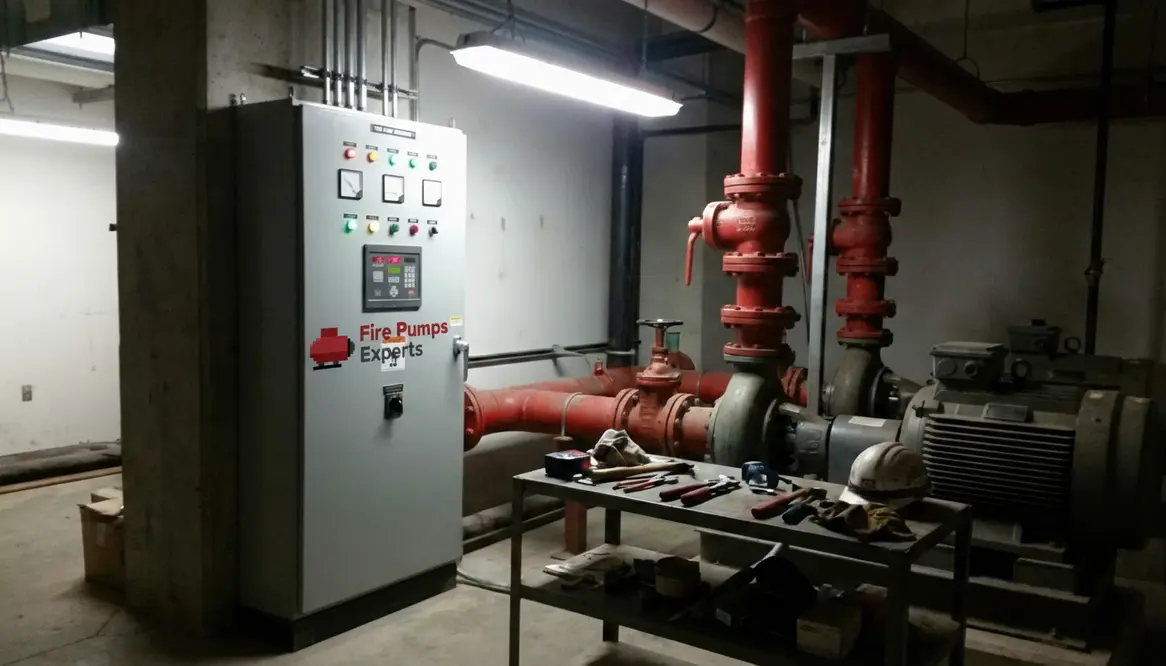
Fire Pump Controller Troubleshooting Indianapolis Alarms
I have spent a good part of my career standing in mechanical rooms that hum like a bass line in a jazz club. The lights flicker softly, the air smells faintly of oil and metal, and somewhere nearby sits a device that quietly guards the entire building. That device is the fire pump controller. When it misbehaves, alarms ring, transfers stall, and suddenly everyone looks around like a scene from a disaster movie.
That is where electric fire pump controller troubleshooting indianapolis alarms transfers comes into play. In large commercial towers, manufacturing plants, hospitals, and distribution centers across Indianapolis, these controllers act as the brain behind a critical life safety system. When something goes wrong, the problem rarely announces itself politely. Instead, it throws alarms, flashes lights, and demands attention like a smoke detector with stage fright.
So today I will walk through how I approach these issues. Slowly. Carefully. And with just enough humor to keep the mechanical room from feeling like a dungeon.
Understanding Electric Fire Pump Controller Troubleshooting Indianapolis Alarms Transfers
Before I start poking buttons or opening panels, I remind myself of one simple truth. The controller is not the villain. It is the messenger.
In most commercial properties, the electric fire pump controller monitors power supply, motor status, and system pressure. When the system senses a problem, it generates alarms and may trigger a transfer between power sources. Therefore, what looks like a controller problem often traces back to something else.
Common Alarm Triggers Inside the Controller
Common alarm triggers include:
- Loss of utility power
- Low suction pressure
- Phase reversal or phase loss
- Motor overload conditions
- Controller internal faults
However, the real skill is not just reading the alarm. It is understanding why it appeared.
For example, when a facility manager tells me the controller keeps signaling a transfer issue, I immediately check the upstream electrical supply and the automatic transfer equipment. Because in large industrial facilities, a power disturbance can ripple through the system faster than gossip in an office break room.
And yes, sometimes the solution is surprisingly simple. Once I found a loose terminal connection that caused alarms for weeks. The fix took five minutes. The coffee break afterward took longer.
What Causes Fire Pump Controller Alarms in Large Commercial Buildings
This question pops up often, especially when a facility engineer hears a panel alarm at two in the morning.
Three Main Alarm Categories
First, alarms usually fall into three categories. Electrical faults, mechanical conditions, and control logic signals. Each one tells a different story.
Electrical Alarms
Electrical alarms often involve incoming power quality. Voltage imbalance or phase loss can confuse a controller faster than a GPS in a parking garage. Consequently, the system shuts down or triggers protection modes.
Mechanical Alarms
Mechanical alarms, on the other hand, come from pressure sensors, pump performance issues, or suction supply problems. In a large commercial property, even a partially closed valve can trigger pressure alerts.
Control Logic Alarms
Control alarms relate to the controller itself. Software faults, relay failures, or wiring errors may create persistent warnings.
Therefore, when I troubleshoot a fire pump system in a major facility, I start with the electrical feed, then check mechanical conditions, and finally evaluate the control logic. That order saves time and prevents unnecessary component replacement.
Also, let me say this gently. Ignoring alarms never works. Pretending they will disappear is like ignoring a check engine light. Eventually the problem becomes far more expensive.
Electric Fire Pump Controller Troubleshooting Indianapolis Alarms Transfers in Critical Facilities
In Indianapolis, many commercial properties rely on dual power sources. Hospitals, data centers, and manufacturing plants cannot afford downtime. As a result, fire pump controllers must manage transfers between normal and emergency power.
Typical Transfer Problems You Will See
- Failure to start during power loss
- Delayed pump activation
- Transfer switch alarms
- Controller communication faults
However, the root cause often lives outside the controller.
For example, a facility once reported repeated transfer alarms. The controller looked perfectly healthy. After a deeper inspection, I found the issue hiding in the automatic transfer switch timing configuration. It delayed power restoration just long enough to confuse the controller logic.
Once we corrected the timing settings, the system behaved beautifully. Like a well rehearsed orchestra instead of a garage band.
That is why electric fire pump controller troubleshooting indianapolis alarms transfers always requires coordination between electrical systems, controller logic, and pump mechanics.
If you want a deeper technical backdrop for how fire pump systems should be designed and maintained, resources like NFPA 20 overviews from firms such as Kord Fire Protection help frame what “normal” should look like before chasing down the abnormal.
My Step by Step Diagnostic Process Inside the Pump Room
When I arrive at a commercial facility for electric fire pump controller troubleshooting indianapolis alarms transfers, I follow a method that keeps surprises to a minimum.
Controller Side
- Review active alarms and historical logs
- Verify voltage levels and phase balance
- Inspect control wiring and terminals
- Check motor start signals
- Test alarm reset behavior
System Side
- Inspect suction and discharge pressure
- Confirm pump rotation and motor condition
- Review transfer switch operation
- Evaluate generator response time
- Verify sensor calibration
This two sided approach keeps the investigation balanced. Because focusing only on the controller can hide the real problem.
Also, documentation matters. I record voltage readings, alarm codes, and sequence events carefully. Later, those notes often reveal patterns that the system logs alone do not show.
Think of it like detective work. Except instead of chasing criminals, I chase voltage drops and pressure swings.
Preventing Alarm Cascades in Industrial Fire Pump Systems
Once a system experiences repeated alarms, I shift my focus toward prevention.
Large facilities operate complex electrical networks. Therefore, even a small instability can trigger a cascade of alarms across multiple systems.
Strategies That Keep Controllers Calm
- Routine controller inspections every quarter
- Annual power quality testing
- Verification of transfer switch timing
- Pressure sensor calibration checks
- Full pump start tests under controlled conditions
In addition, building engineers should review alarm history regularly. Patterns often appear long before a serious failure occurs.
One manufacturing plant in Indianapolis noticed recurring voltage imbalance warnings during overnight shifts. After investigation, the issue traced back to a large piece of equipment cycling on the same feeder. Once electrical loads were balanced, the alarms vanished.
Sometimes the solution is complex. Other times it is simply moving one wire to the right place. Either way, proactive maintenance keeps the controller calm and the building protected.
FAQ About Electric Fire Pump Controller Alarms and Transfers
Below are some of the questions I hear most often when dealing with electric fire pump controller troubleshooting indianapolis alarms transfers in busy commercial and industrial facilities.
Conclusion
When alarms flash and transfers stumble, it is tempting to treat the controller like the troublemaker in the room. Yet in truth it is simply telling a story about the system around it. If your commercial or industrial facility needs expert help with electric fire pump controller troubleshooting indianapolis alarms transfers, the right technicians can read those signals, restore stability, and keep your fire protection system ready when it matters most. Reach out to experienced specialists who understand large scale pump systems inside and out.